Why Whitstable Suits the Creative Life
The light, the shingle and the short walk to the water matter. But what really sustains creative work here is a community that turns up for one another without being asked.
Certain towns produce more work than they have any right to. Whitstable is one of them. For a place of roughly thirty thousand people on the north Kent coast, the density of painters, potters, photographers, writers, film-makers, jewellers, musicians and stubborn one-person workshops is faintly absurd. Walk the length of Harbour Street on a weekday morning and you will pass more studios than chain stores, which in modern Britain is a small miracle.
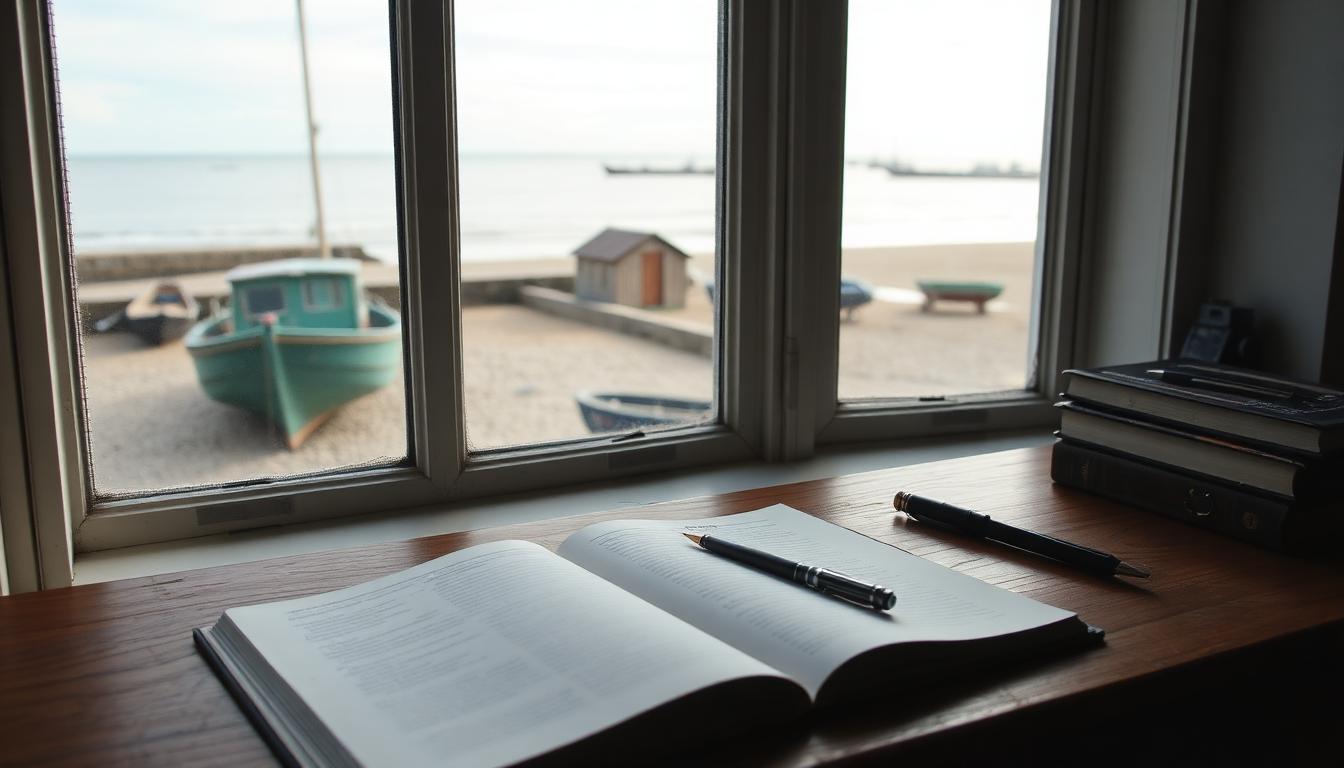
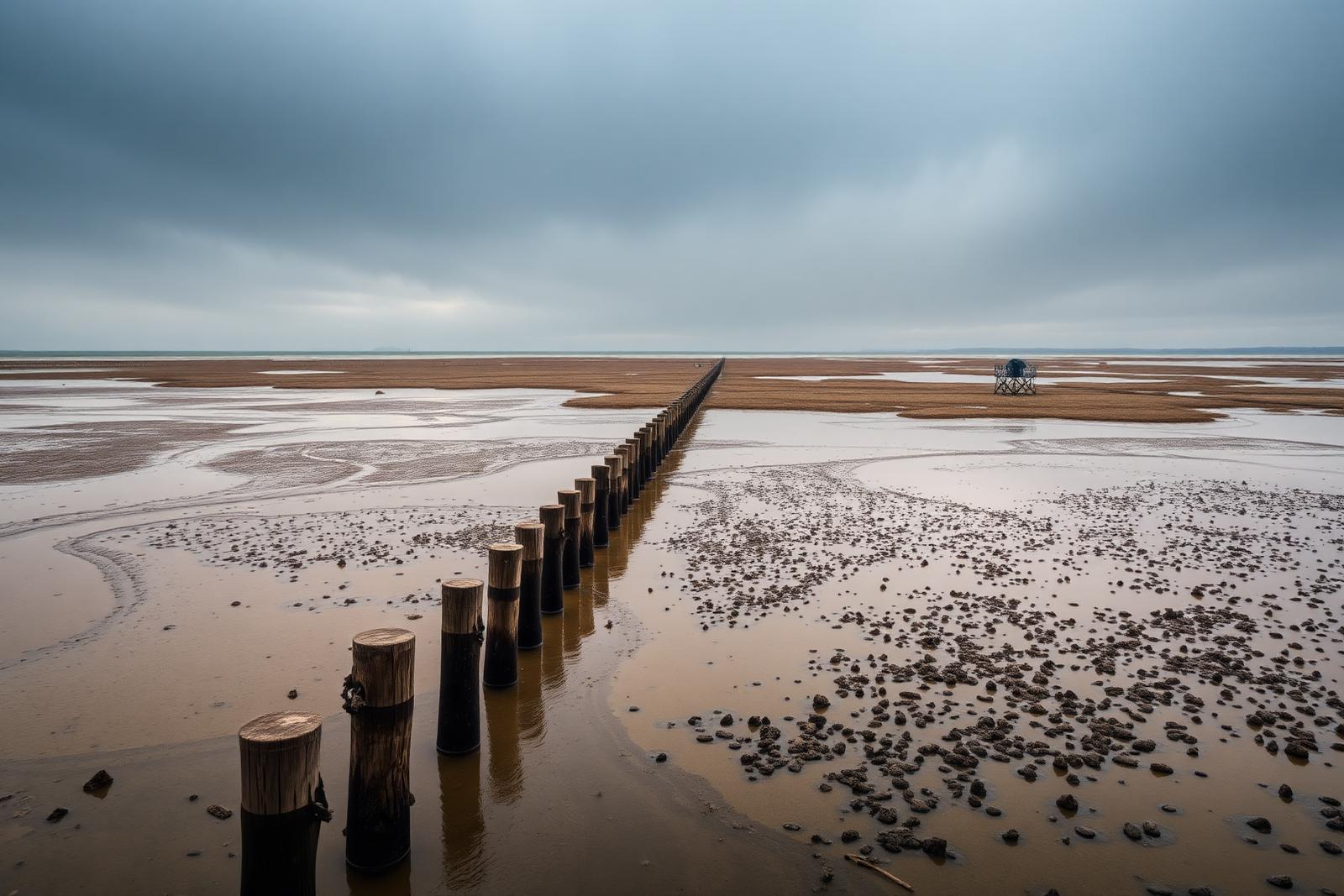
The first explanation is the obvious one: the light. The town faces north across the Thames Estuary, and north light is what painters have always wanted — even, cool and consistent, without the harsh swings of a south-facing room. Add water to it and the effect compounds. The estuary here is broad and shallow, and it reflects the sky rather than fighting it. On a clear evening the whole town turns the colour of the inside of a shell. On a grey one, everything reduces to three tones and the shapes get clearer. There is no bad weather for looking, only different problems to solve.
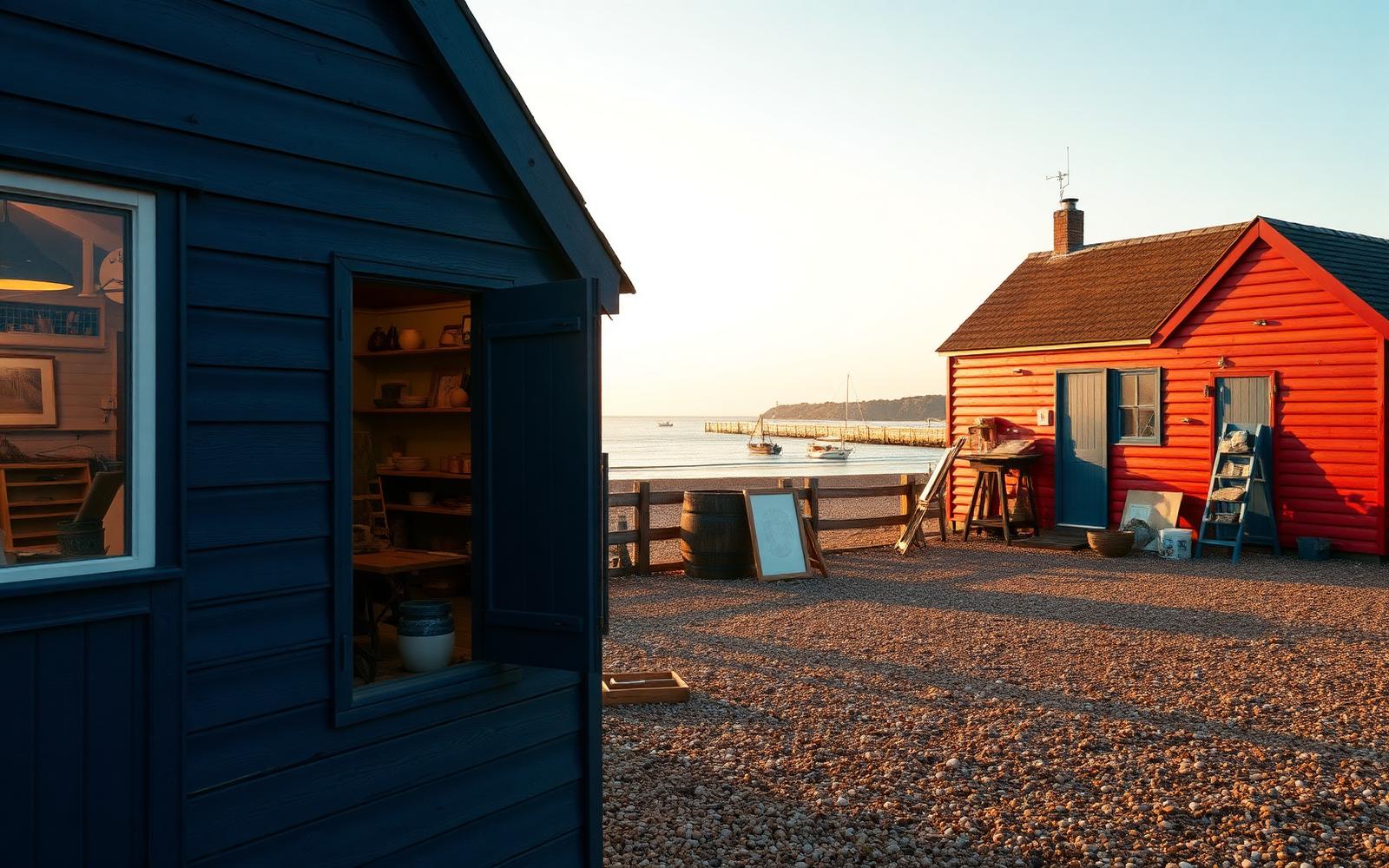
The second explanation is geography of a more practical kind. This is a working shoreline rather than a decorative one. The harbour still lands fish. The yards still smell of tar and diesel. Sheds, huts and old industrial spaces have always existed here for reasons that had nothing to do with art, which meant that when makers needed room, room existed — cheaper and stranger than a purpose-built studio, and far more likely to encourage odd ideas. A space you can hose out is a space where you will attempt something messy.
The third is scale. Whitstable is small enough to cross on foot in twenty minutes and large enough to hold a proper ecosystem. That combination is rarer than it sounds. In a city, your peers are an hour and a fare away, and meeting them requires planning. Here, you meet them by accident, three times a week, in the queue at the bakery. Ideas move through a town like this at the speed of conversation.
But none of that would matter without the last ingredient, which is the one people underestimate: the community actually behaves like one.
I have lived and worked in a good many places, and I have never known anywhere so ready to help without being asked. Somebody needs a wall for a weekend exhibition, and a shop owner clears one. Somebody's kiln fails a fortnight before a fair, and two others offer theirs. A first-time maker is quietly told which pitches are worth taking, which are not, and what to charge so as not to undercut themselves out of business. Nobody convenes a committee. It simply happens, because the person helping was helped in the same way five years earlier and has not forgotten it.
The town's calendar reinforces it. The Whitstable Oyster Festival, the biennale, the harbour market, the open studios weekends, the choirs, the film nights, the swimming clubs and the endless small fundraisers give creative people a reason to make something for a fixed date and a local audience. Deadlines are the most underrated creative tool ever invented, and a town that supplies them for free is doing more for its artists than most funding schemes.
There is a commercial reality behind the romance, too. Visitors come in significant numbers, and they buy. A maker here can sell directly, at full margin, to people standing in front of the work — an economic model that most creative businesses spend years trying and failing to build online. It is not a fortune, but it is a living, and a living is what allows the work to continue.
It is not paradise. Property prices have climbed hard, and the studios that were cheap in 1998 are not cheap now. Second homes hollow out streets in the winter. The visitor season brings congestion, and the sea itself is a landlord with opinions about your ground floor. Anyone considering the move should look honestly at the numbers, and at January, which is the month that tells you the truth about a coastal town.
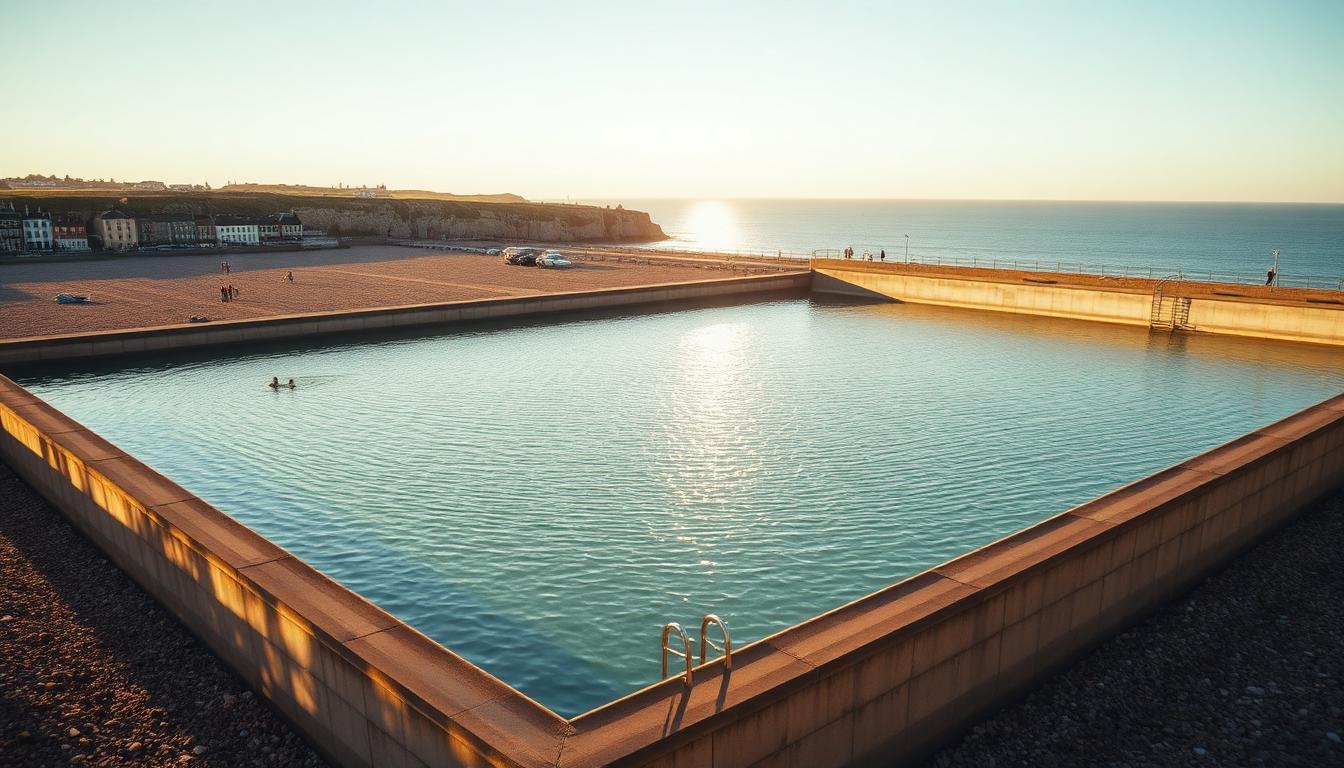
Yet the fundamentals hold. Light that changes hourly. Water three minutes from most front doors. Space that still, occasionally, comes cheap enough to risk. Deadlines supplied by the calendar. Customers who arrive by train. And a population that, for reasons I have never entirely worked out, has decided that making things is a normal way to spend your life.
That last part is the real asset. In most places you have to justify creative work. Here you do not, and the absence of that small daily friction turns out to be worth an enormous amount. You get on with it, and when you look up, the tide has moved and so has the work.