Travel Memoirs

Travel memoir examples, and what makes one work

A travel memoir is a true, first-person account of a contained period spent away from home — written from memory, shaped like a story rather than a diary. Below is what separates the form from a travelogue or an autobiography, followed by five worked examples from Wesley Baker's Echoes series, each drawn from real seasons spent living and working around the Mediterranean.

The Form

Five things a travel memoir does.

01

A season, not a lifetime

A memoir takes one contained period — a summer, a posting, a single journey — and goes deep. An autobiography tries to cover everything and usually goes shallow.

02

Place as a character

In a travel memoir the setting does work. The heat, the language you don't yet speak, the bar that never closes — these shape what happens rather than decorate it.

03

Written from memory, not itinerary

A travelogue tells you where the writer went. A memoir tells you what it did to them. The difference is reflection, written years later with the benefit of distance.

04

Honesty about the unflattering parts

The passages readers remember are rarely the triumphant ones. They are the mistakes, the goodbyes handled badly, the things you would do differently.

05

Standalone chapters that build

Many of the strongest memoirs are structured as episodes rather than one continuous plot — each chapter complete in itself, cumulative in effect.

Worked Examples

The Echoes travel memoirs.

Each book takes a single season and stays inside it. Read any one on its own, or read them in order to watch four decades quietly accumulate.

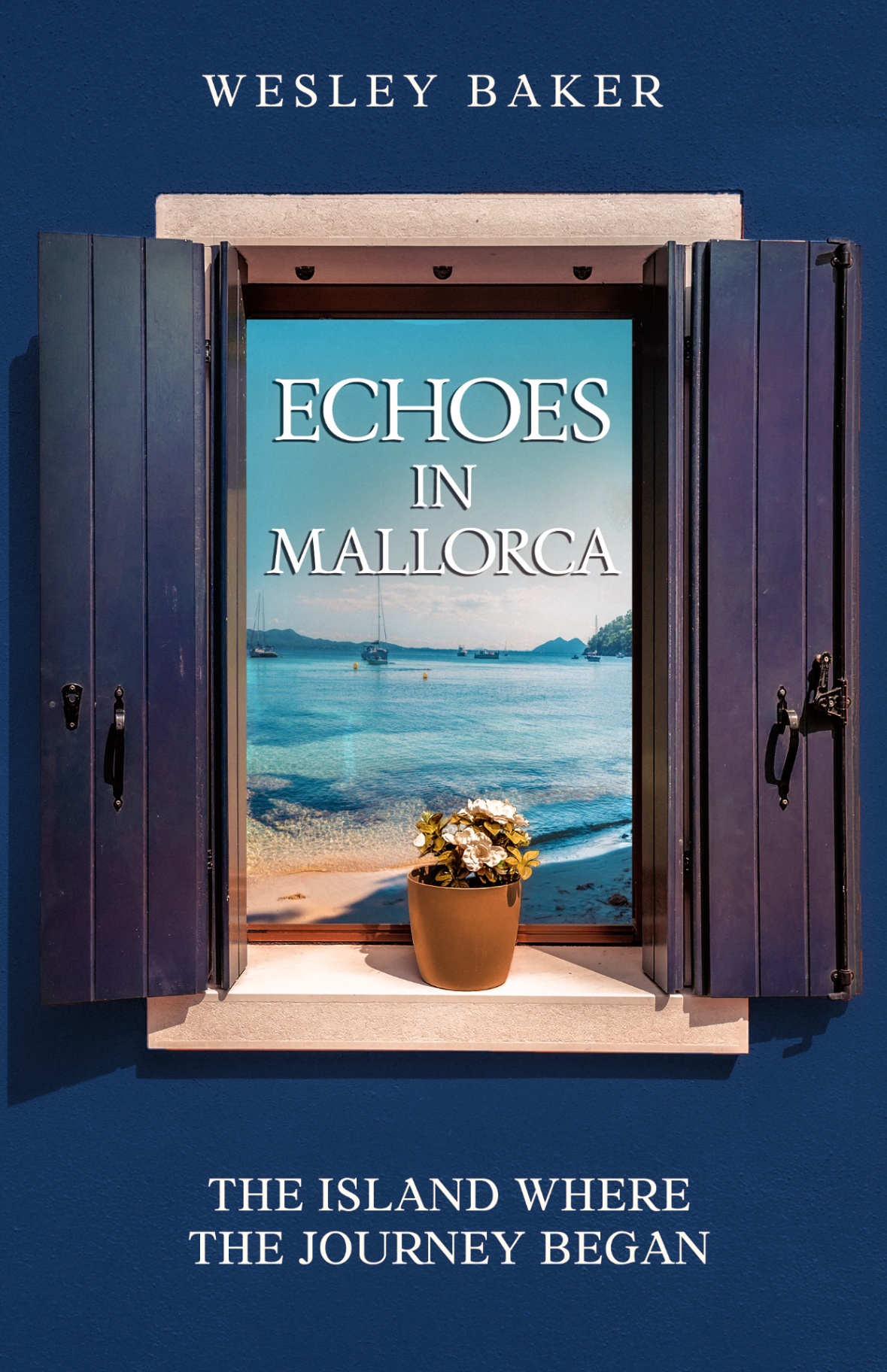
Echoes in Mallorca — cover

Echoes Travel Memoirs · Book Four

Echoes in Mallorca

A first season overseas, remembered in vivid colour.

From the neon nights of Magaluf and Palma Nova to the timeless beauty of Palma and the Tramuntana coastline, a deeply nostalgic memoir of Wesley's very first season working overseas as a young travel representative.


Echoes in Andalusia — cover

Echoes Travel Memoirs · Book Three

Echoes in Andalusia

Whitewashed villages, warm evenings and stories that stay.

A memoir of southern Spain, its people and the quiet rhythms of a life lived between languages, coastlines and seasons.

Spanish Sunshine — cover

Echoes Travel Memoirs · Book Two

Spanish Sunshine

Sun, sea and the years that made a lifetime.

The second Echoes memoir, tracing the summers, cities and characters that turned a young traveller into a lifelong Mediterranean.

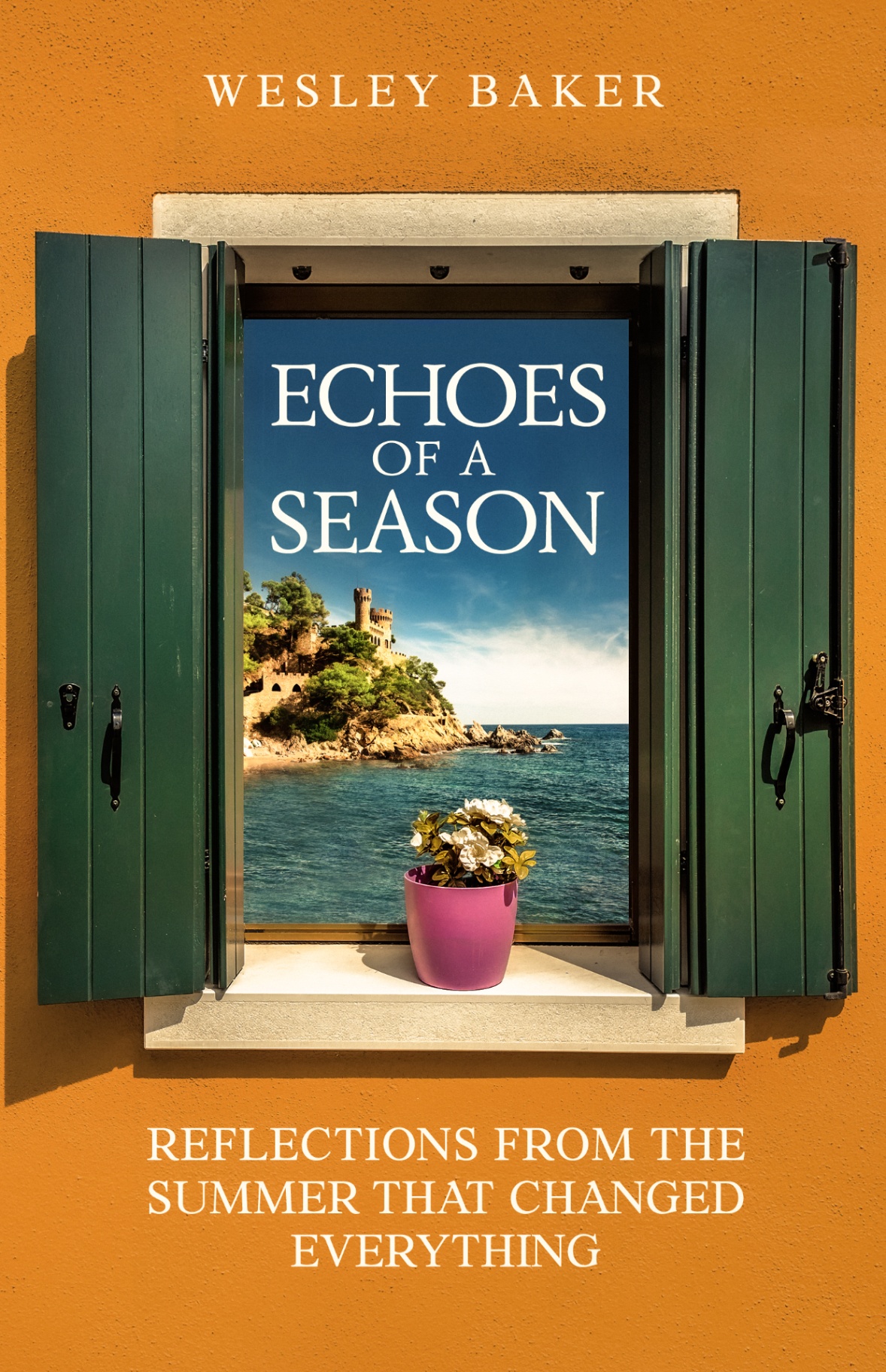
Echoes of a Season — cover

Echoes Travel Memoirs · Book One

Echoes of a Season

The memoir that started it all.

The book Wesley almost didn't write. A tender, honest and vivid account of a single formative season and the people who never quite left.

Definitions

Memoir, travelogue, autobiography — the difference.

The four forms overlap on the shelf and almost never in the writing. This is the quickest way to tell which one you are reading, or which one you are writing.

FormWhat it coversVoiceExample
Travel memoirOne contained period, rememberedFirst person, reflectiveEchoes of a Season
TravelogueThe route, in sequenceFirst person, reportorialA journey diary or column
AutobiographyA whole life, in orderFirst person, summarisingA public figure's life story
Travel fictionInvented people, real placesAny, usually third personA Season in the Sun
For Writers

How to write a travel memoir, in five moves.

  1. 01

    Choose the season, not the subject

    Pick one bounded stretch of time you can still smell. Six months is usually plenty. If you cannot say when the period begins and ends, it is not a memoir yet.

  2. 02

    List the scenes before the themes

    Write twenty moments you remember in physical detail — a room, an argument, a bus at four in the morning. Themes emerge from scenes; scenes never emerge from themes.

  3. 03

    Write the version you would be embarrassed to show

    Then edit for fairness rather than flattery. A memoir that protects its narrator has nothing for the reader to hold on to.

  4. 04

    Let place do half the work

    Heat, language, distance from home — these are pressures, not scenery. Show them acting on people and the book stops being a holiday account.

  5. 05

    End on change, not arrival

    The last chapter answers one question: what was different afterwards? Getting home is not an ending.

Common Questions

Travel memoir questions readers ask.

What is a travel memoir?
A true, first-person book about a contained period spent away from home, shaped as a story rather than a diary. The writer is a character in it, and the point of the book is what the time abroad changed.
What is the difference between a travel memoir and a travelogue?
A travelogue records the journey as it happens — where you went, in what order. A travel memoir is written later, selects only the moments that carry meaning, and is interested in consequence rather than itinerary.
How long should a travel memoir be?
Most published travel memoirs run 60,000 to 90,000 words across twenty to forty short chapters. Episodic chapters suit the form because memory arrives in scenes.
Can a travel memoir be about somewhere ordinary?
Yes. The Costa Brava in the 1980s was not exotic; it was a place people worked. What makes a memoir readable is honesty and specificity, not the glamour of the destination.
Which travel memoir should I read first?
If you are starting with Wesley Baker's work, begin with Echoes of a Season — it opens the series and sets up the coastline the later books return to.
The Reader's Letter

Join the Journey

Early looks at new books, dispatches from the road, and reflections from the writing desk — delivered a few times a month.

Sign Up Free