Why Kent Is Becoming Britain's Southern France
Kent has always enjoyed a warmer, drier climate than most of Britain. What has changed is the pace: the county is beginning to feel less like an outlier and more like a preview.
Anyone who has lived in Kent through a wet northern summer has heard the local boast: whatever the rest of the country is doing, we are usually doing something warmer and drier. Like many local boasts, it turns out to have a respectable basis in fact. Sheltered from the Atlantic by the bulk of southern England, open to the continental flow from the near Continent and lying further south than any other large English county, Kent regularly records some of the country's highest temperatures, lowest rainfall totals and longest spells of summer sun.
Geography does most of the work. The prevailing British weather arrives from the south-west, carrying Atlantic moisture into Cornwall, Wales, the Lake District and western Scotland. By the time those systems cross the high ground of the west and the downs of the south, much of the rain has already fallen. Kent sits on the lee side of that arrangement. It also faces France across a narrow strait, which means continental high pressure can settle over it with surprising ease, bringing the dry heat more often associated with northern France than with the popular image of England.
The county's landscape has always reflected that advantage. This is the Garden of England not by marketing accident but because fruit, hops and vegetables grew here reliably when transport made proximity to London valuable. Cherries, apples, strawberries, cobnuts and hops all preferred Kent's light and warmth. Oast houses, those curious conical kilns, are the architectural signature of a county that understood microclimate before the term existed.
What is different now is the direction of travel. British summers are becoming hotter and the extremes more pronounced. The forty-degree threshold, once considered meteorologically absurd for this country, was crossed in 2022. The south-east is at the front of that shift. Longer growing seasons, earlier budbreak, more reliable ripening and fewer hard frosts are changing what can be grown commercially. Kent's farmers are planting crops their grandparents would have considered fanciful, and succeeding with them.
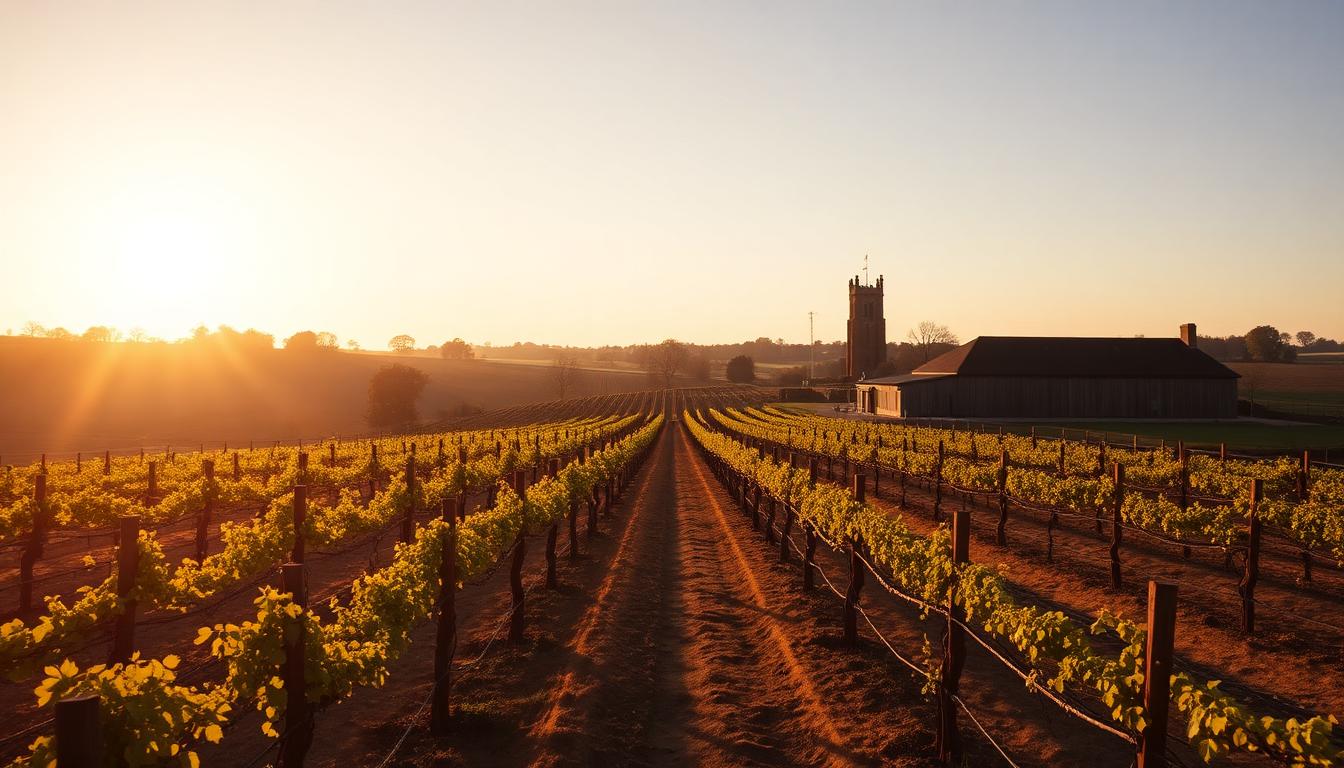
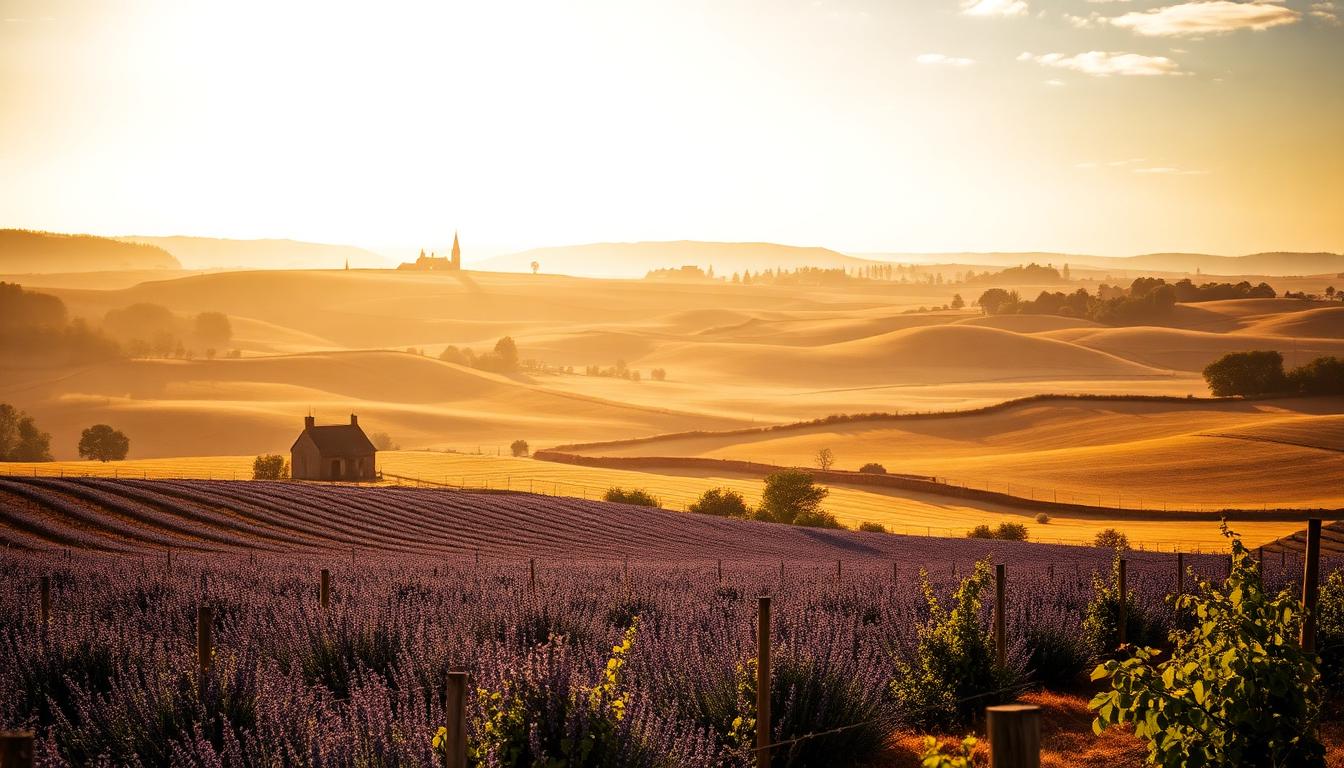
Wine is the clearest evidence. Chardonnay, Pinot Noir and Pinot Meunier now ripen consistently on Kentish chalk and greensand, producing sparkling wines that compete seriously with Champagne because the underlying geology and the modern climate increasingly rhyme. But the change is wider than vineyards. Lavender thrives around the downs. Figs crop heavily in sheltered gardens. Apricots, almonds and even olives are being tried in favourable pockets. None of this means Kent has become Provence. It means the distance is narrowing.
The comparison with southern France should be handled carefully. Kent is not about to acquire the Mistral, the limestone garrigue or three uninterrupted months of dry heat. Its winters remain maritime, its springs can still be cruel, and a cold easterly off the North Sea is a reminder that this is England. Yet climate is not a photograph; it is a trajectory. On the measures that matter to growers — warmth accumulation, frost risk, summer rainfall and season length — parts of Kent now resemble regions of northern France from a generation ago, and are edging towards conditions once found further south.
There is a less romantic side. Warmer summers bring drought stress, wildfire risk on dry grassland, pressure on rivers and aquifers, and difficult choices about water for homes, farms and nature. The chalk streams that make Kent so ecologically precious are vulnerable to exactly the conditions that vineyards welcome. A county becoming climatically more fortunate is also becoming more exposed. Both things are true at once.
Still, the transformation is visible to anyone paying attention. The light over the downs in a settled July now has a harder, clearer quality. Harvests begin earlier. Mediterranean plants survive winters that would once have killed them. The old description of Kent as England's garden remains accurate, but the garden is changing its planting scheme.
The temptation is to treat this as a curiosity. It is more than that. Climate is economy, landscape and culture. Kent's warmth helped make it a county of orchards, hop gardens, market towns and coastal resorts. A warmer Kent will not simply be the old county with better summers. It will be a different place, and the rest of Britain would be wise to watch what happens there first.