The Quiet Pleasure of Being a Local Author in Whitstable
Whitstable is not a backdrop I chose for effect. It is the place that formed me, and after years overseas it remains the town that quietly corrects my sentences.
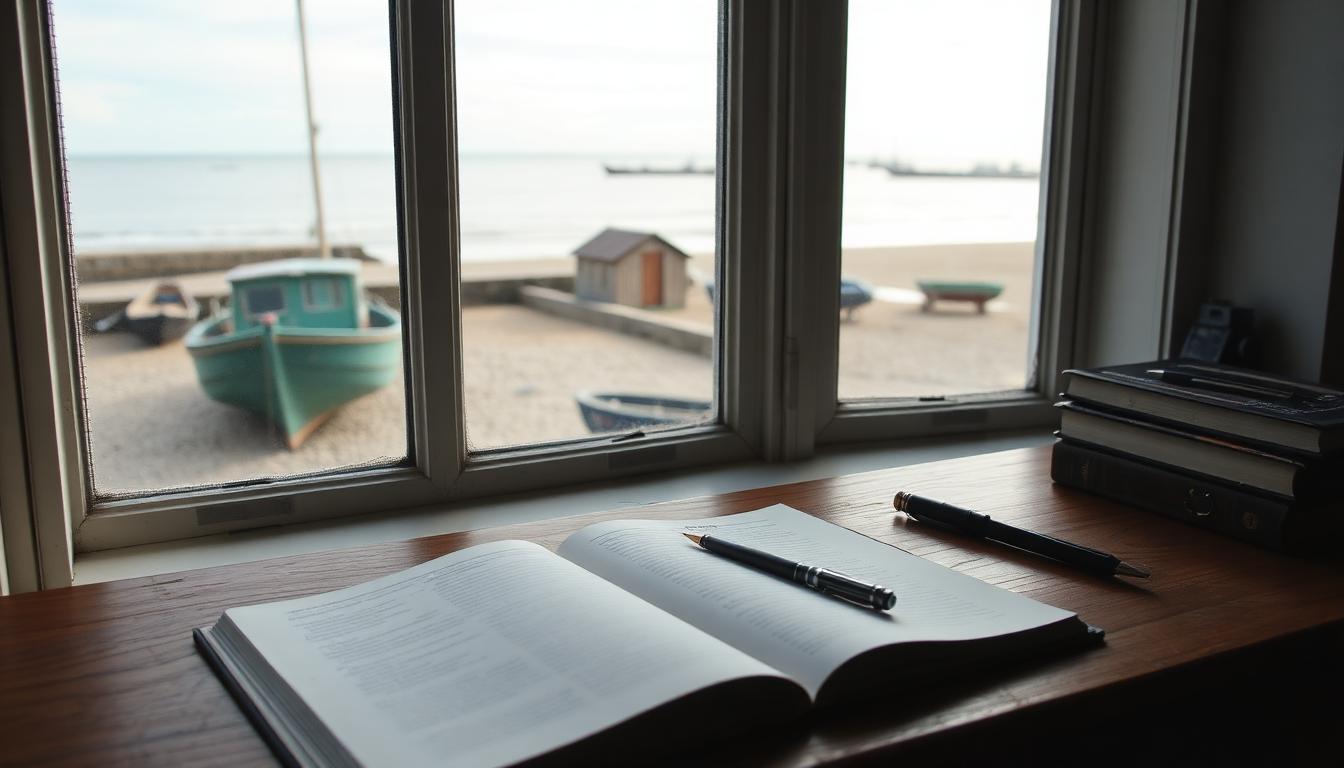
There are writers who find a place and make it their own, and there are those of us who were made by a place before we had any say in the matter. I belong to the second group. I was born and bred in Whitstable, long before the town became fashionable, when the harbour was a workplace first and a photograph second. My life later took me overseas — into travel, business and years spent looking at Britain from elsewhere — but Whitstable is the reference point I kept returning to, sometimes physically and always on the page.
The pleasure of writing here is not the obvious one. It is not the oysters, though they are excellent, nor the sunsets, though the town has made a minor industry of them. It is the scale. Whitstable is small enough that life remains legible. You can walk from the high street to the shingle in ten minutes and pass a butcher, a bookshop, a fisherman mending something with twine, a visitor eating chips with the seriousness the task deserves. A writer needs material, but more than that a writer needs proportion. This town provides both.
The coast keeps me honest. The shingle does not care whether a sentence is admired. The tide arrives and leaves with complete indifference to deadline or mood. In a working week dominated by screens, calls and decisions, it is useful to be reminded daily that the world is not obliged to respond to you. Whitstable's sea is rarely theatrical. It is grey-green, changeable, sometimes almost apologetic. That suits me. Drama is easy to write. Quiet is harder.
The town contributes to my style in ways I only understood after leaving it. Growing up beside a working harbour teaches economy. Fishermen do not use five words where one will do. Shopkeepers learn to read weather, custom and mood without ceremony. There is a local preference for understatement, for the raised eyebrow over the speech. I recognise all of that in my sentences. I may have learned other rhythms elsewhere — Spain, America, airport terminals at dawn — but the baseline is Whitstable.
Being a local author also carries a pleasing accountability. If I get something wrong about the town, somebody will tell me in the cheese shop. There is no hiding behind the grand abstraction of place when the place can stop you outside the butcher's. That is healthy. It keeps the writing rooted in observation rather than nostalgia. Whitstable is lovely, but it is not a theme park. It has traffic, worries, closed shops, planning rows and winter mornings when the wind goes through you. Those things belong in the portrait too.
The town has changed, of course. The old oyster stores have become restaurants and galleries. Harbour Street is busier in August than I remember it being in any childhood summer. Houses that once belonged to families with nets drying outside now sell for figures that would have astonished the men who worked from them. It is easy to mourn what has gone, and some of it deserves mourning. But towns that do not change become museums, and Whitstable has retained enough salt in its character to resist that fate.
I notice the continuity most in the mornings. A gull on a chimney pot. The smell of coffee near the harbour. Someone hosing down a forecourt. The particular slap of water against a hull when the tide has just turned. These are small things, but writing is made from small things accurately seen. The great advantage of being local is that you do not have to invent the details. You only have to pay attention to them for long enough.
My years overseas gave me distance, and distance gave me perspective. I can see now that Whitstable taught me more than I realised: how to watch, how to wait, how to distrust grand claims and how to find the universal in a street, a boat or a conversation overheard outside a shop. Every writer needs a place where the world comes down to size. Mine happens to be the one that raised me.