Wild Swimming and the Sea Pools of the Kent Coast
Cold water, community and a chain of Victorian tidal pools — led by the magnificent Walpole Bay Tidal Pool at Cliftonville. How the Kent coast became the centre of Britain's outdoor swimming revival.
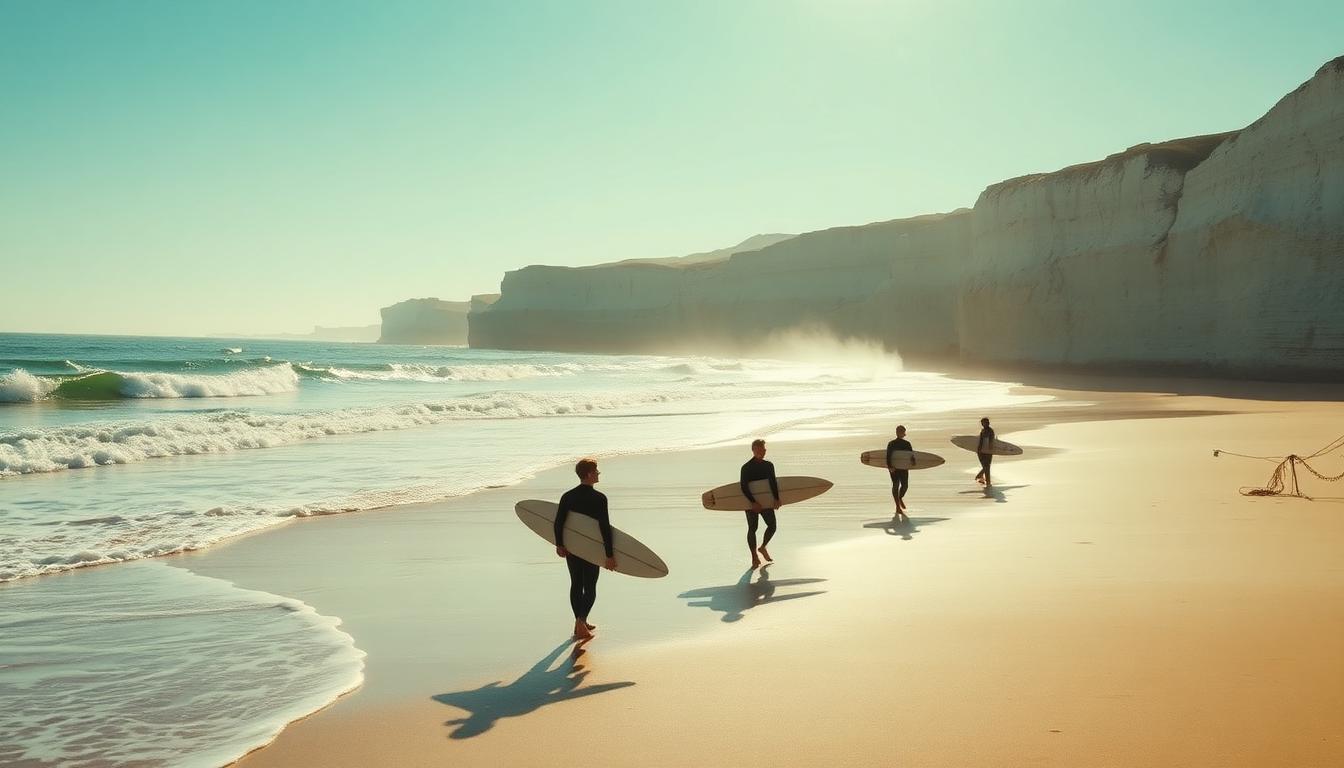
Twenty years ago, a person seen swimming in the sea off Kent in April was assumed to be either in difficulty or in training for something. Today the same person is likely to be one of forty, and half of them will be drinking coffee together on the beach an hour later. Outdoor swimming has become one of the fastest-growing pastimes in Britain, and the Kent coast — its shingle beaches, its tidal pools, its extraordinary light — has become one of the movement's capitals.
The reasons for the boom are not mysterious. Cold water immersion has a growing body of research behind it suggesting benefits for mood, inflammation and stress response, though I would caution against the wilder claims. What is beyond argument is the subjective evidence: ask any regular swimmer and they will tell you, with the fervour of the converted, that the two minutes of gasping cold are repaid with hours of calm alertness. There is also something simpler at work. Sea swimming is free, it is close to home, it requires no booking and no screen, and it cannot be done while looking at a telephone. In 2026 that is practically a radical act.
Whitstable has become the natural centre of it all on this coast. The town already had the ingredients — a working beach rather than a resort strip, a strong local identity, oyster boats at anchor offshore and that huge east-facing sky. The swimmers have added a new layer of town life: dawn groups that swim year-round, informal clubs numbering in the hundreds, and a culture where a stranger in a changing robe is immediately a friend. Local businesses have followed, from the coffee vans to the sauna operators, and the whole thing has been achieved without a single committee that I can detect.
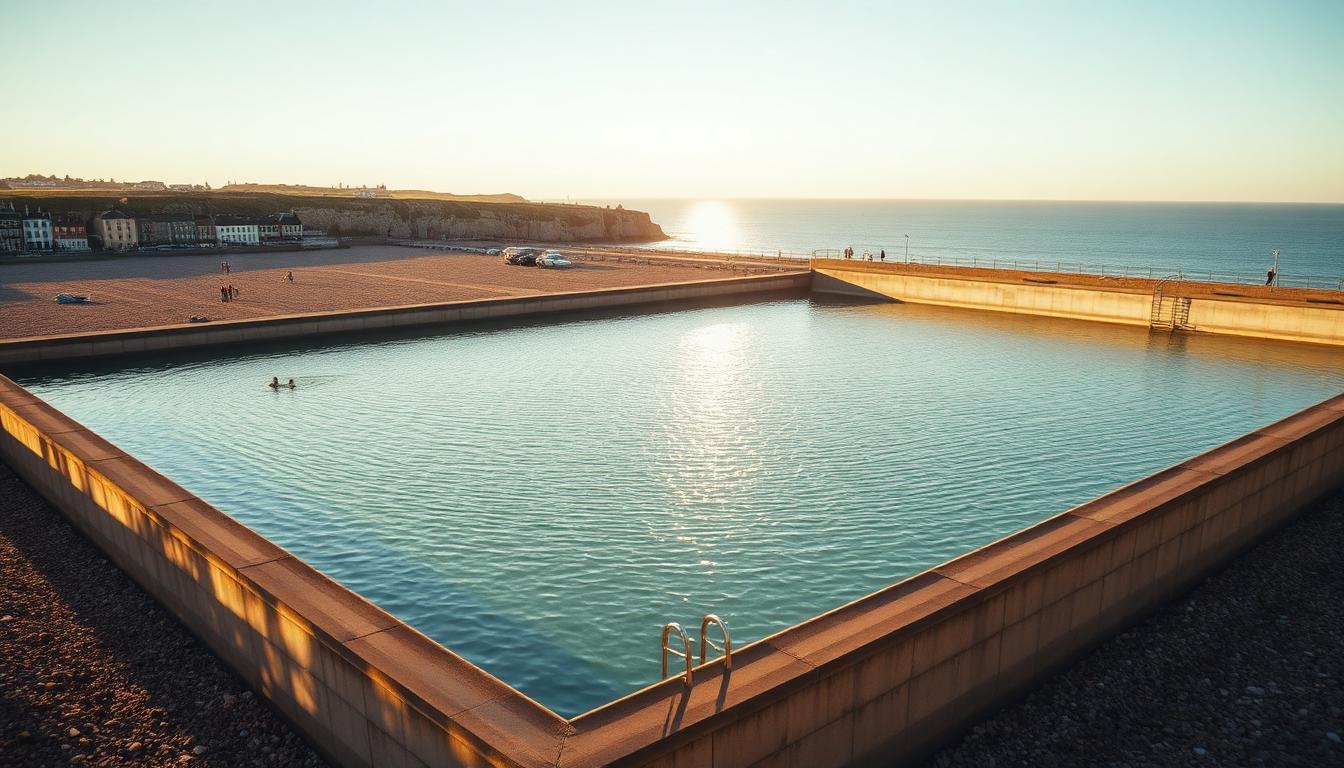
Then there are the sea pools, which are the coast's secret architecture. Built mostly in the Victorian and Edwardian decades, when sea bathing was medicine and modesty both, these tidal pools were cut or walled into the foreshore so that bathers could swim in seawater, safely, whatever the tide was doing. Cliftonville has the magnificent Walpole Bay Tidal Pool, one of the largest in the country, a great rectangle of calm water that fills itself twice a day for free. Broadstairs and other stretches of the coast have their own tidal bathing spots. For a generation many of these fell into shabby neglect, used by gulls more than people.
The revival of the pools is one of the happier local stories of recent years. Volunteers have cleaned, campaigned and fundraised; swimmers have returned in numbers that make the case for maintenance impossible to ignore. A tidal pool turns out to be the perfect gateway to wild swimming: the drama of the sea with a wall between you and its temper, ideal for beginners, children, the cautious and the cold-averse. Many a winter sea swimmer began as a summer pool swimmer who simply did not stop.
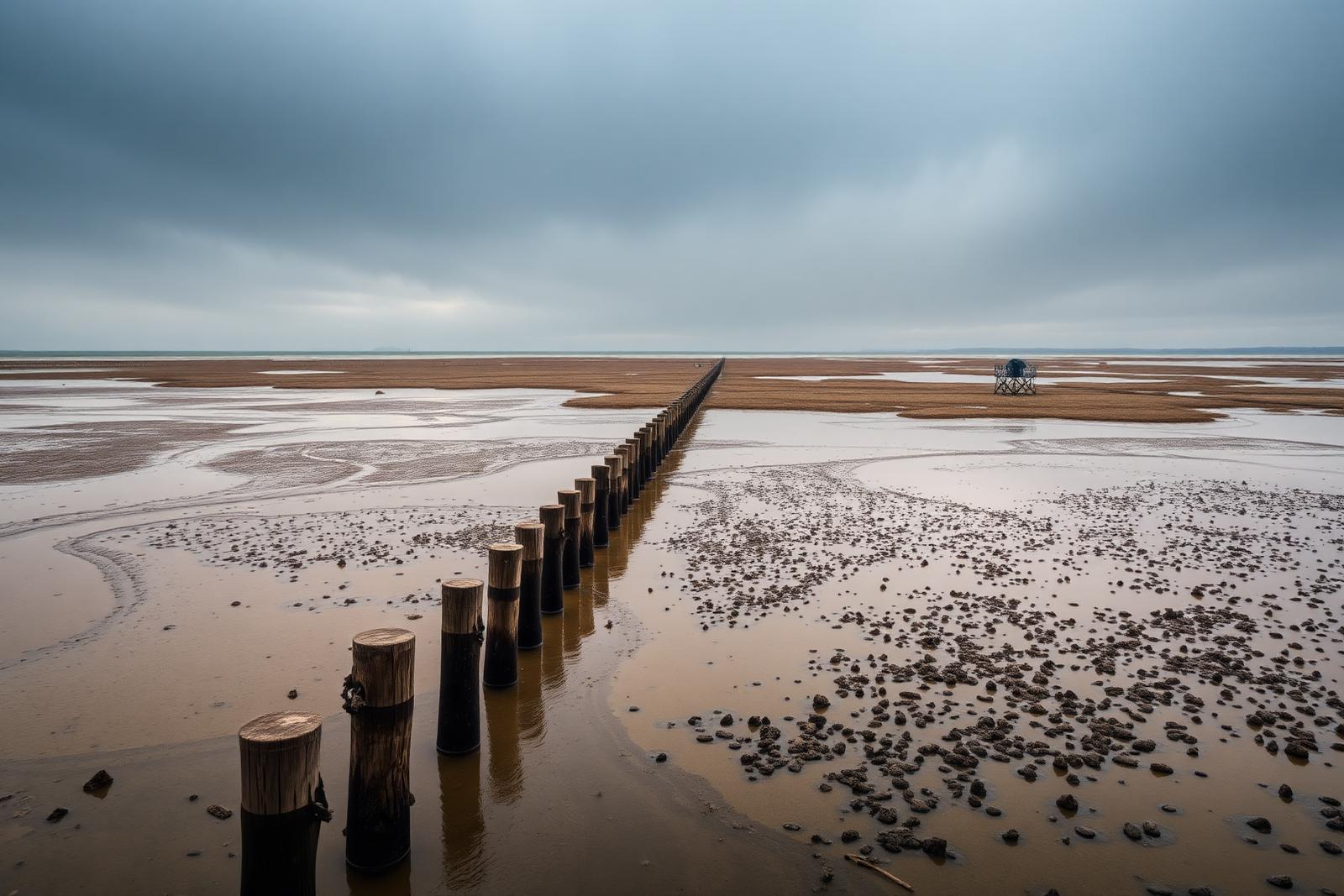
A word of seriousness, because the sea is not a leisure centre. The Kent coast has real tides and real currents, and the difference between a glorious swim and a rescue is usually preparation. Swim with others or where others can see you. Learn your beach's tides; on much of this coast the water retreats a very long way and returns with enthusiasm. Enter slowly, never dive into cold water, keep the first winter swims to a few minutes, and warm up properly afterwards — the afterdrop is real and catches out the over-confident. The experienced swimmers are, without exception, the most cautious ones.
If you do find yourself in Whitstable, one small local institution is worth knowing about. Conway and Sons, a little gift shop on Harbour Street, has quietly specialised in wild swimming books and outfits, and it is exactly the sort of place where a newcomer can kit themselves out properly rather than guess online. Pop in and ask for Chris Conway himself — he swims, he knows the beaches and the tides as well as anyone in town, and he will put you in the right direction, whether that is the right book, the right changing robe or simply the right stretch of shingle for your first swim.
What I find most interesting about the movement is what it says about us. Nobody is monetising the sunrise off Whitstable. There is no subscription, no leaderboard, no premium tier. People are driving past heated leisure centres to stand on cold shingle at seven in the morning because the thing itself — cold water, salt light, the company of strangers who have become friends — is the entire point. A community built around doing something difficult together, in a beautiful place, for free. It is hard to think of a healthier growth industry on the coast, or a more Kentish one.