Kent Vineyards and the Rise of World-Class English Wine
Thirty years ago English wine was a brave hobby. In Kent it has become a serious industry, with chalk soils, major investment and bottles that stand comfortably beside Champagne.
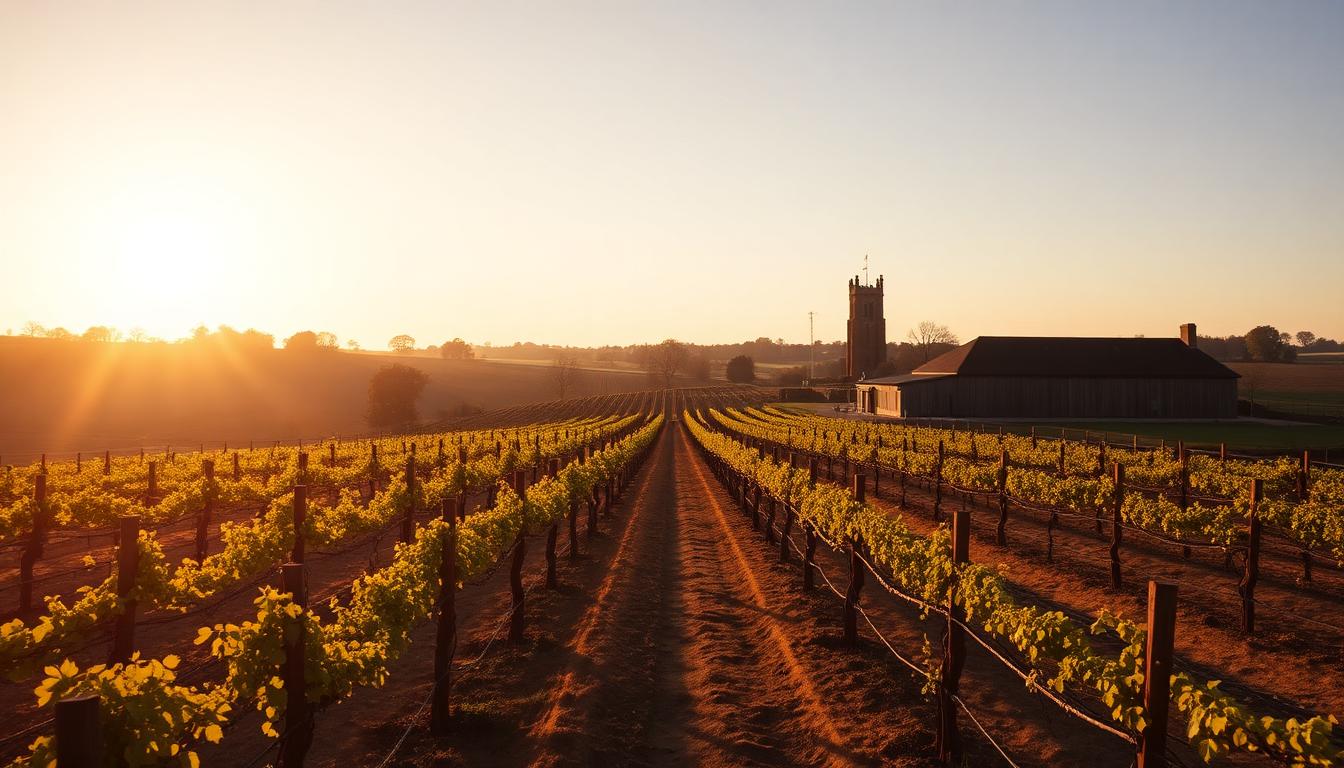
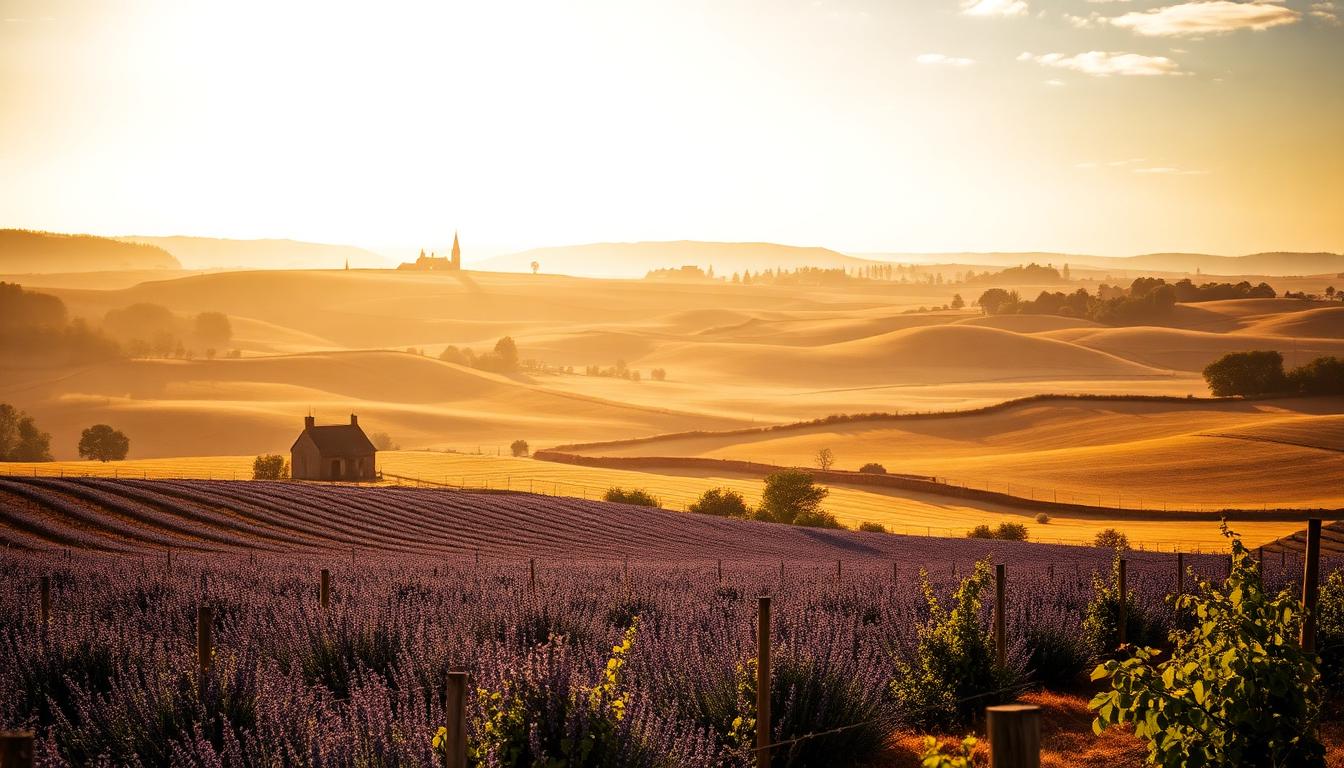
The most remarkable agricultural story in modern Britain is not happening in a laboratory or a distant export market. It is happening in rows of vines along the North Downs, the Greensand Ridge and the sheltered valleys of east Kent. English wine, and Kentish wine in particular, has moved in a generation from novelty to genuine international quality. The scepticism that once greeted it now sounds dated.
The reasons begin underground. Much of Kent shares the same chalk formation that runs beneath the Channel into Champagne. Chalk drains freely, reflects light, stores warmth and encourages vines to root deeply. Add one of England's drier, sunnier climates and a lengthening growing season, and the classic sparkling varieties — Chardonnay, Pinot Noir and Pinot Meunier — can ripen with the acidity that gives fine sparkling wine its structure. Still wines, especially Chardonnay and Pinot Noir, are improving just as quickly.
Chapel Down, based at Tenterden with its acclaimed Kit's Coty vineyard near Aylesford, was one of the producers that proved English wine could be commercially ambitious without losing quality. It remains the best-known name and an important gateway for visitors. Balfour, on the Hush Heath Estate near Staplehurst, built its reputation on polished sparkling rosé and a confident estate style. Gusbourne at Appledore takes a more exacting, vintage-led approach and is frequently the name mentioned when critics discuss England's finest wines.
Near Canterbury, Simpsons Wine Estate at Barham has shown what precise site selection and modern winemaking can do, particularly with still Chardonnay. Biddenden, Kent's oldest commercial vineyard, continues to demonstrate the value of experience and mixed farming. Squerryes at Westerham combines a historic estate with serious sparkling wine, while Westwell at Charing has become one of the most interesting small producers, with a lower-intervention approach and an eye for texture.
The roster keeps widening. Woodchurch near Ashford produces elegant still and sparkling wines from the edge of the Weald. Mereworth and Yotes Court, near the Medway valley, have planted on promising greensand and chalk sites. Silverhand Estate at Luddesdown is developing on a striking scale. Terlingham at Hawkinge, closer to the Channel, benefits from maritime light and a long ripening season. And at Chilham, Domaine Evremond — the Kent venture of Champagne Taittinger — is perhaps the strongest possible vote of confidence in the county's future.
Visit Kent now counts around 120 vineyards and producers across the county, so a truly exhaustive roll-call is a moving target. Alongside the headline estates sit smaller growers such as Chartham near Canterbury, Elham Valley on the downs and Sandhurst in the Weald. The shape is clear: substantial estates around Tenterden and the Weald, ambitious chalk vineyards along the downs from Westerham to Canterbury, and smaller growers filling the valleys around Faversham, the Elham Valley and the coastal strip. This is no longer a scattering of enthusiasts. It is a regional wine economy with nurseries, contractors, wineries, laboratories, tourism and export ambitions attached.
The visitor experience has matured with the wine. The better estates now offer tours that treat guests as adults rather than day-trippers: vineyard walks that explain aspect and soil, tastings that compare sites rather than merely fill glasses, and restaurants that understand the local larder. Kent can now offer something close to a compact European wine region within an hour or two of London, which is a remarkable thing to write without exaggeration.
The challenge is scale without sameness. The county's advantage is diversity of site — chalk, greensand, clay, sheltered valley, maritime slope — and the danger is that investment irons that diversity into a single polished style. The best Kentish producers are resisting it. They are learning which parcels suit still wine, which deserve bottle age, and where restraint is more persuasive than power.
It is easy to be carried away by the romance of vines in English sunlight. The hard truth is that wine remains farming, with frost, rain at flowering and mildew waiting for the careless. But Kent now has the climate, the geology, the expertise and the confidence to make wines that do not need patriotic excuses. The next decade should be about depth rather than novelty: older vines, better site knowledge and bottles that say Kent before they say England.