England's Chalk Streams and the River Stour
There are barely two hundred chalk streams on earth, and most of them are in England. Kent's River Stour is one of the finest — and one of the most threatened.
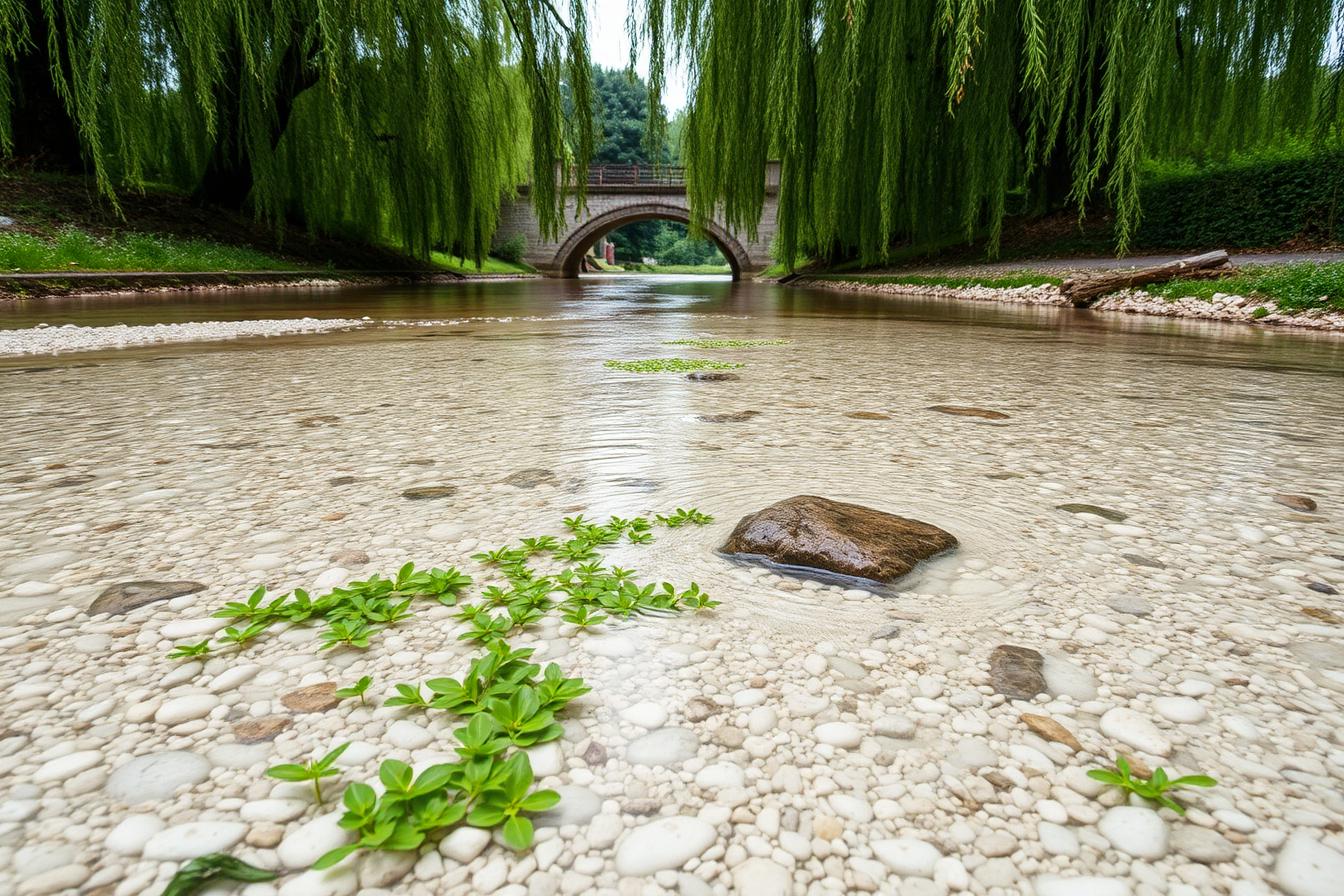
It is not widely known that England possesses one of the rarest freshwater habitats on the planet. There are roughly two hundred true chalk streams in the world, and around eighty-five per cent of them are here, flowing out of the chalk downlands of southern and eastern England. The rest are scattered across Normandy and a few pockets elsewhere. We have, in effect, the Galapagos of rivers, and most of us drive over them without a glance.
A chalk stream is a specific and remarkable thing. Rain falls on chalk downland and, instead of running off, sinks into the rock. The chalk acts as a vast sponge and filter, holding the water for months or years before releasing it through springs. What emerges is water of astonishing clarity, chemically stable, alkaline, and — this is the crucial part — at an almost constant temperature of around ten degrees, winter and summer. A chalk stream does not freeze hard in January and does not warm dangerously in August. It is, in ecological terms, a palace with central heating.
That stability creates richness. Water crowfoot waves in the current in long green banners. Brown trout and grayling hold station over gravel so clean it looks polished. In May the fly life — the famous mayfly hatches among them — can be extraordinary. Kingfishers, water voles, otters, white-clawed crayfish: the whole cast of the English river at its best. These rivers shaped our landscape, powered our mills, and gave us fly-fishing itself, which was invented on chalk water and exported to the world.
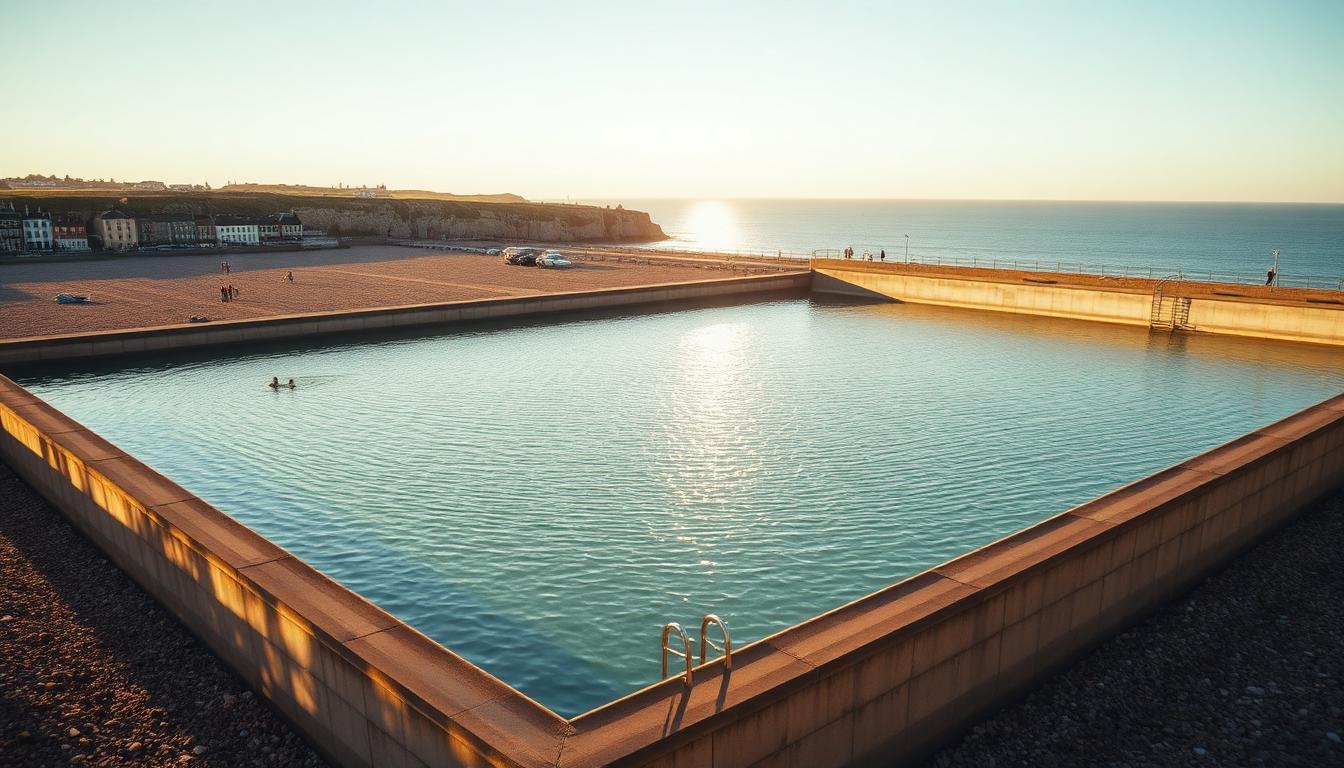
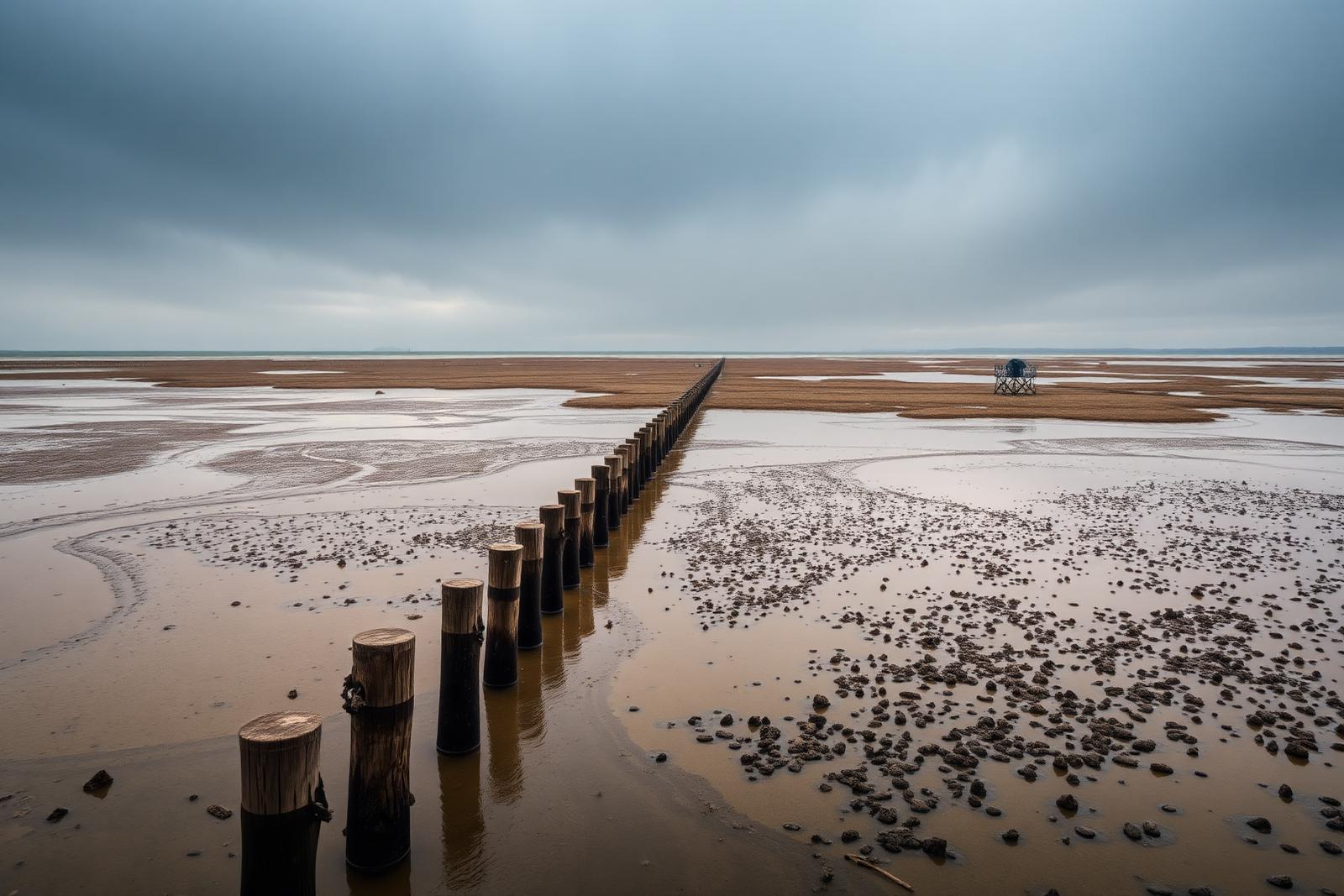
Kent's River Stour is a fine example, and an underrated one. Rising near Lenham on the North Downs, it flows through Ashford and on to Canterbury — where it splits into channels through the old city — before reaching the sea through the flat, haunting marshes at Sandwich and Pegwell Bay. For most of that journey it is a chalk stream, fed by springs from the Downs, running clear over flint gravel through some of the loveliest and oldest settled landscape in Britain. The stretch through Canterbury, with the cathedral towers above and moorhens working the shallows, is as good a town river as anywhere in Europe.
The Stour also carries history the way only an English river can. Romans crossed it. Augustine landed near its mouth in 597. The Cinque Port of Sandwich grew rich on its estuary before the sea changed its mind and the haven silted. Watermills worked its flow for centuries — the Domesday Book lists them by the dozen in this valley. A chalk stream is never just water; it is the reason the towns along it exist at all.
Now the bad news, because there is no honest way to write about chalk streams without it. These rivers are in serious trouble. Too much water is abstracted from the chalk aquifers to supply growing populations, so flows fall and in dry years some headwaters stop running altogether. Treated sewage and agricultural runoff load them with phosphates, feeding algae that smother the gravel and the crowfoot. The water vole has suffered one of the fastest declines of any British mammal. A habitat that took ten thousand years to make can be degraded in a decade.
The encouraging part is that people have noticed. Across Kent, river trusts, angling clubs, farmers and volunteers are working on the Stour and its tributaries — fencing banks to keep cattle out, replanting, removing weirs, pressing water companies and regulators to do their jobs. Chalk streams respond quickly when the pressure is lifted; clean gravel and steady flow do the rest. It is one of the few conservation stories where success is genuinely achievable within a generation.
If you have never paid attention to your local river, start with a bridge on the Stour on a bright winter morning, when the water is at its clearest and lowest crowds. Look down into the current for ten minutes. You are looking at something rarer than a rainforest and older than the cathedral behind you, and it is quietly asking to be looked after.