How Writing Books Changed My Life
A hospital bed took away the meetings, the travel and the business — and gave me back every story I had ever collected. This is how writing books changed my life.
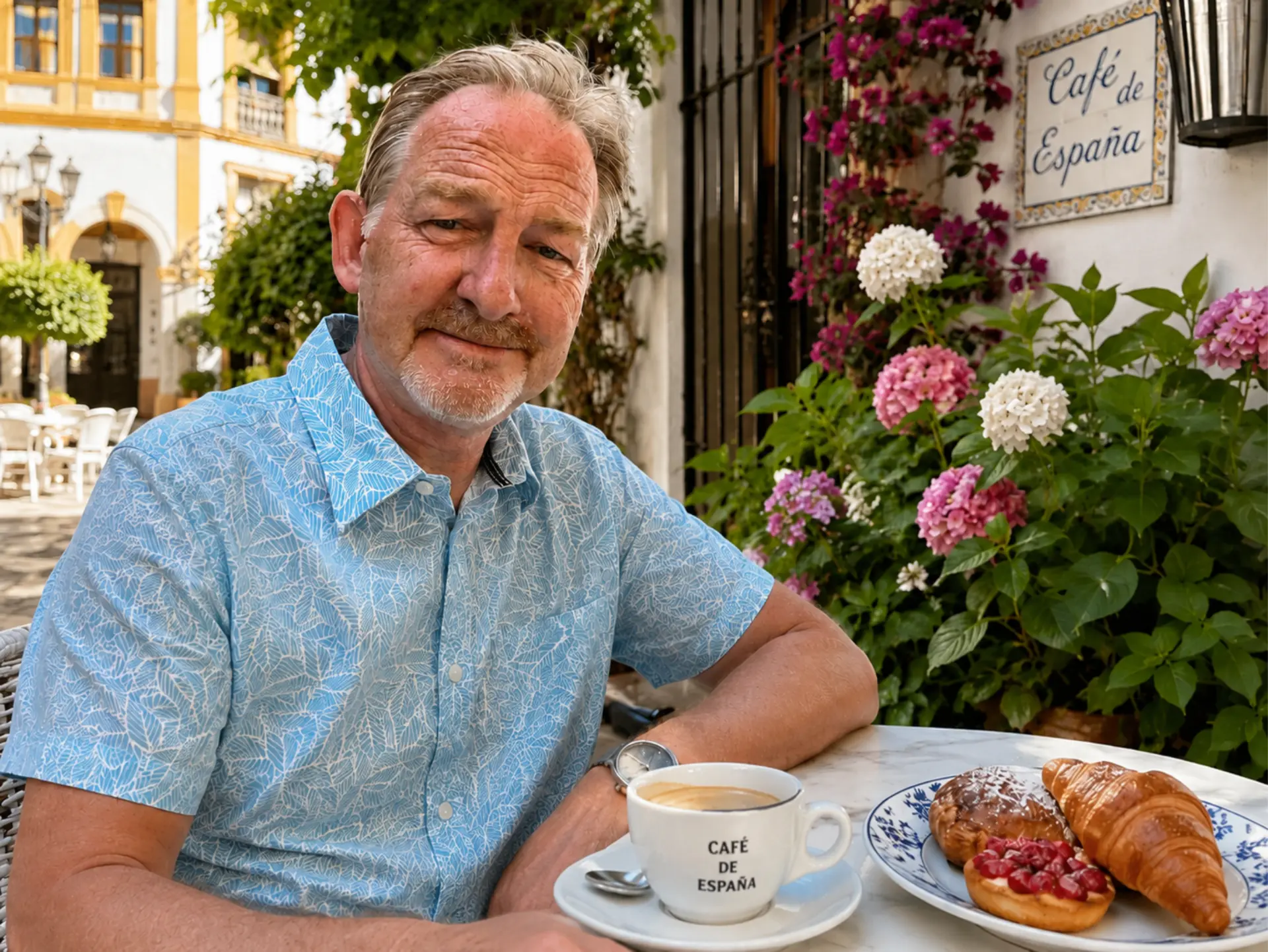
If somebody had told me a few years ago that writing books would become one of the great passions of my life, I am not sure I would have believed them. For most of my adult life, my world had been business, travel, people, destinations, ideas and the constant movement that comes with being an entrepreneur. I had spent decades travelling, living overseas, building companies and collecting experiences without ever really thinking that one day those moments might become the foundations of books.
Then life changed.
I became seriously ill and found myself lying in a hospital bed with the normal rhythm of life suddenly taken away from me. The meetings stopped, the travelling stopped, business became distant and everything that had once filled my days was replaced by time, reflection and the uncomfortable realisation that life can change without warning. When you are forced to stop in that way, you begin to look at your life differently. You remember things you had forgotten, people you had not thought about for years and moments that once seemed ordinary but suddenly feel enormously important.
It was from that hospital bed that something unexpected began. I started looking backwards over my life, not simply at the big events, but at the smaller moments too. I thought about the places I had lived, the resorts where I had worked, the people I had met, the friendships, romances, mistakes, adventures and ridiculous situations that had somehow remained stored away in my mind for decades.
Spain came back particularly strongly. I could remember the heat rising from the pavements, the smell of the Mediterranean, the noise of the bars at night, the hotel receptions, the beaches, the coaches arriving full of holidaymakers and the wonderful collection of characters who would come together for a season before disappearing again into their own lives. I could remember conversations, faces and moments with a clarity that surprised me.
Those memories became the foundation of my travel memoirs.
Writing them was like discovering a form of time travel. I could be sitting in England and within minutes find myself mentally back in the Costa Brava, Andalusia or Mallorca. I could walk those streets again, hear the voices, remember the laughter and revisit people I had not seen for decades. Some of those places have changed beyond recognition and some of those people are no longer with us, but through writing I could return to them.
That is what travel memoir means to me. It is not simply a record of where you went and what you did. It is about capturing a moment in time before it disappears. It is about what a destination felt like, the people who were there, the music playing in the background, the friendships that mattered and the conversations that seemed insignificant at the time but somehow stayed with you for the rest of your life.
Perhaps most importantly, it is about meeting the younger version of yourself again.
When I write about those years, I sometimes find myself looking at that young man almost as though he were somebody else. He did not know what was coming. He could not possibly have imagined the businesses he would build, the places he would live, the people he would meet or the extraordinary twists and turns his life would take. He was simply living in that moment, usually somewhere in the sunshine, convinced that life was an adventure waiting to happen.
There is something incredibly liberating about putting those memories onto paper. Time continues moving forward, as it always will, but stories allow us to return.
Then I discovered something else.
I started writing novels.
Suddenly the door opened even wider because fiction offered a completely different kind of freedom. With the travel memoirs, I could revisit the life I had actually lived. With novels, I could take everything I had learned about people, places, travel, relationships and human nature and create something entirely new.
That was when writing became genuinely addictive.
It gets into your system. I sometimes describe it as being like a drug because once an idea starts forming, I find it very difficult to leave it alone. A character appears in my imagination and I want to know who they are. A location enters my mind and suddenly I can see the whole scene. A conversation begins and before long I am wondering what happens next.
Then the hours disappear.
That is one of the magical things about writing a novel. You begin with an empty page and nothing exists. Then somebody appears. They have a name, a personality, a past and something they want from life. Another character arrives, something happens between them and suddenly you are following a story that did not exist a few hours earlier.
Sometimes the characters even surprise me.
I may think I know where the story is going and then one of them seems to take it somewhere else entirely. That probably sounds slightly strange to anybody who does not write, but other writers will understand exactly what I mean. You create these people and eventually they begin to develop their own personalities. You start asking yourself what they would actually do rather than what you originally planned for them to do.
There is enormous freedom in that.
I have spent much of my life building businesses, and in many ways writing feels remarkably similar. Both start with an idea. Both involve creating something that did not exist before. Both require imagination, persistence and the belief that what you are building will eventually become something worthwhile.
But writing has one wonderful difference.
You need very little permission.
If I want to send a character to Spain, I can. If I want them travelling through the Austrian mountains, I can. If I decide that somebody should fall in love, make a terrible mistake, get on the wrong train, walk into the wrong bar or completely change the direction of their life, nobody needs to approve it.
The only real limits are imagination and your willingness to keep going.
That freedom has changed my life.
Writing has also given me another way of travelling. My travel memoirs allow me to journey backwards through the places and experiences that shaped me. My novels allow me to travel forwards into stories and worlds that exist only in imagination. Yet both come from the same fascination I have always had with people and places.
Travel has been one of the great threads running through my life. Writing has simply given me another way to experience it.
The remarkable thing is that none of this might have happened without becoming seriously ill. At the time, lying in that hospital bed certainly did not feel like the beginning of something new. It felt frightening, uncertain and completely removed from the life I knew.
Yet it became a turning point.
Sometimes life forces you to stop before you understand where you are going next. Perhaps I had always been collecting stories without realising it. The years overseas, the journeys, the friendships, the mistakes, the extraordinary moments and the completely ordinary ones had all been waiting somewhere in the background.
The illness gave me the push to finally start writing them down.
And once I started, I discovered something I never expected.
I absolutely loved it.
I loved writing the travel memoirs and bringing those old worlds back to life. I loved rediscovering people and places I had thought were long gone. Then I loved moving into fiction and realising that I could take the same sense of travel, adventure and human experience and create stories that had never happened at all.
Now one book seems to lead naturally into another. Even while I am writing something, there are usually ideas for the next book already beginning to form somewhere in the back of my mind. Characters appear, destinations suggest themselves and occasionally an entire story seems to arrive without invitation.
That is when you know something has truly become part of you.
Writing has given me freedom, purpose and an entirely new creative life. It has allowed me to preserve journeys I have already taken while imagining journeys that may never exist anywhere except on the page.
And perhaps that is what I love most about it.
As a writer, I am never completely tied to one place or one moment in time. I can return to yesterday, revisit a summer from decades ago, walk through streets that no longer look the same and spend time again with people who once meant something to me.
And then, when I want to, I can invent tomorrow.
Somewhere between memory and imagination, another story begins.
Who would ever have thought that this part of my life would begin from a hospital bed?
Certainly not me.
But I am incredibly glad that it did.