Author Experiences
Every writer I know is asked the same questions: where do the ideas come from, how do you actually get the words down, and what happens when the first draft is terrible. These essays are my honest answers, gathered into one journey.
Follow the stops from the town that formed me through the travel industry years and the spark of memoir, then the habits, the doubts and the rewriting — and out the other side, to where the tools of the trade are changing faster than at any point in my lifetime.
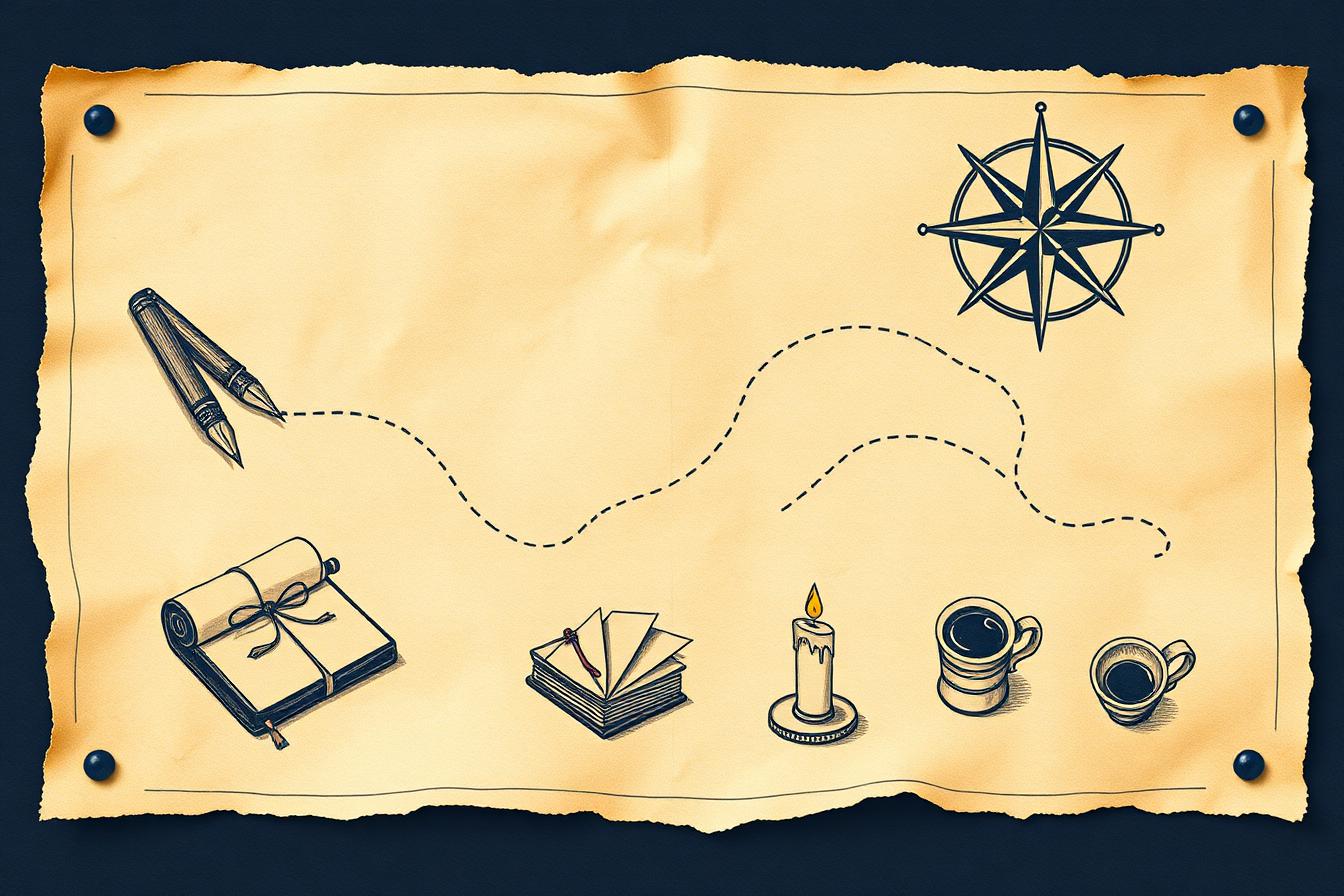
The writing life, mapped.
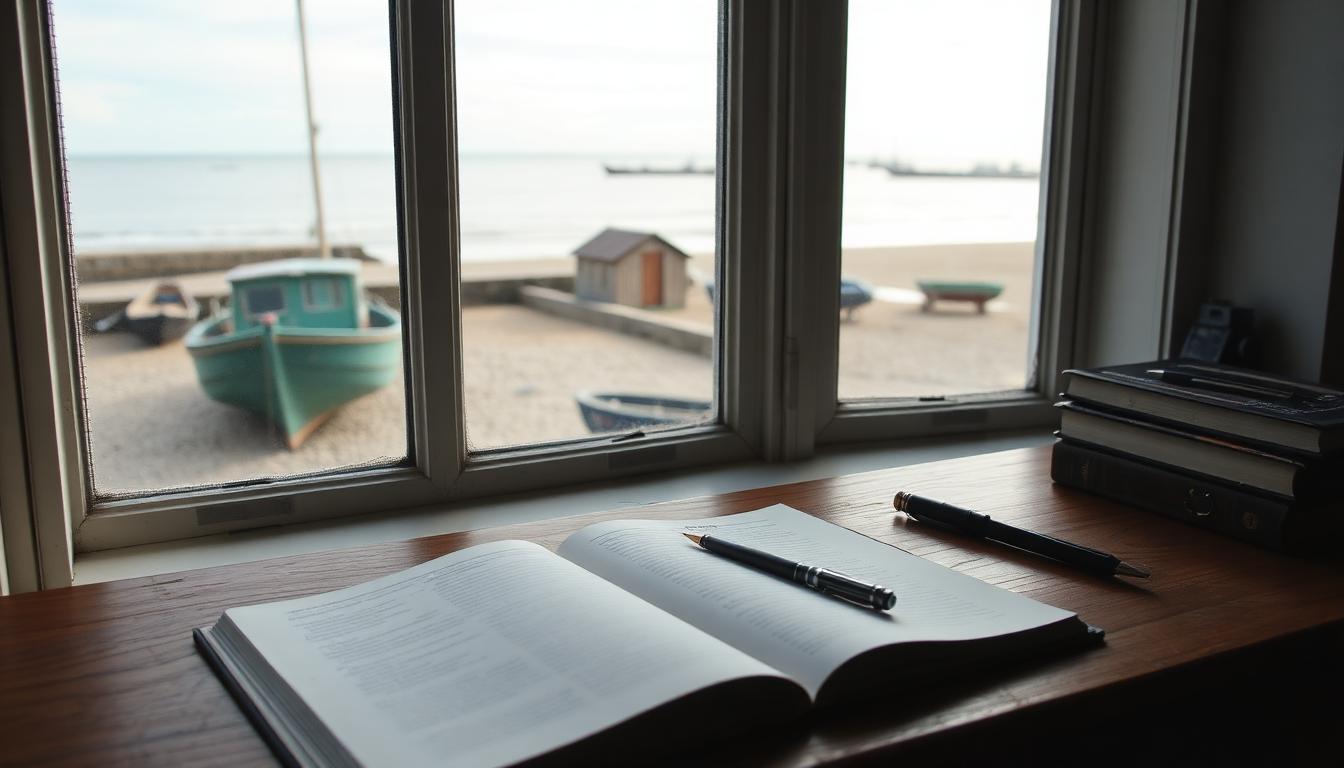 Stop 1 · The Place
The Quiet Pleasure of Being a Local Author in Whitstable
Begin in Whitstable — the working harbour, shingle and high street that formed me long before life took me overseas, and still quietly correct my sentences.
Read the essay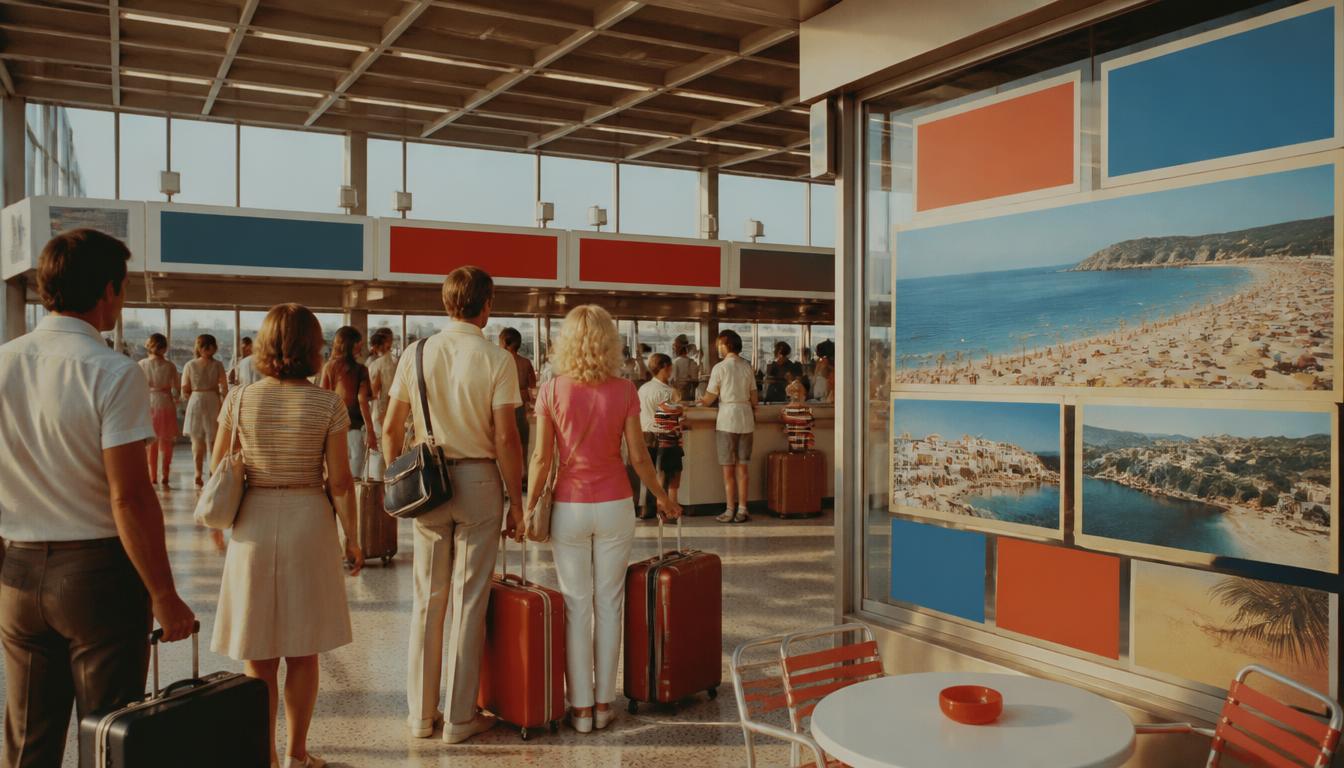 Stop 2 · The Travel Years
The Golden Age of the British Package Holiday
Before the books came the departures board: Thomson, Cosmos and the golden age of the British package holiday, seen from inside the industry.
Read the essay Stop 3 · The Spark
Why I Had to Write Echoes of a Season — And Why I Almost Didn't
Every book begins as an itch that will not go away. This is where mine started — a summer in 1992 that waited thirty years to be written down.
Read the essay Stop 4 · The Craft
Memoir Examples: Real Scenes, Simple Structures, Honest Moments
What a memoir actually is, how it differs from autobiography, and the examples worth studying before you write a word of your own.
Read the essay Stop 5 · The Discipline
Six-Word Memoirs: Small Phrases, Whole Seasons
The hardest exercise in writing is also the shortest. Six words that must carry a whole life — and what the constraint teaches you about every other sentence.
Read the essay Stop 6 · The Habit
The Notebook Habit: Why I Still Write by Hand
The single most useful practice I know: keeping a notebook, filling it badly, and trusting that the good material is hiding in the dross.
Read the essay Stop 7 · The Quiet
On Solitude, and Why It Is Not Loneliness
Writing is done alone, and that is both its cost and its gift. On solitude — chosen and otherwise — and what it does to the work.
Read the essay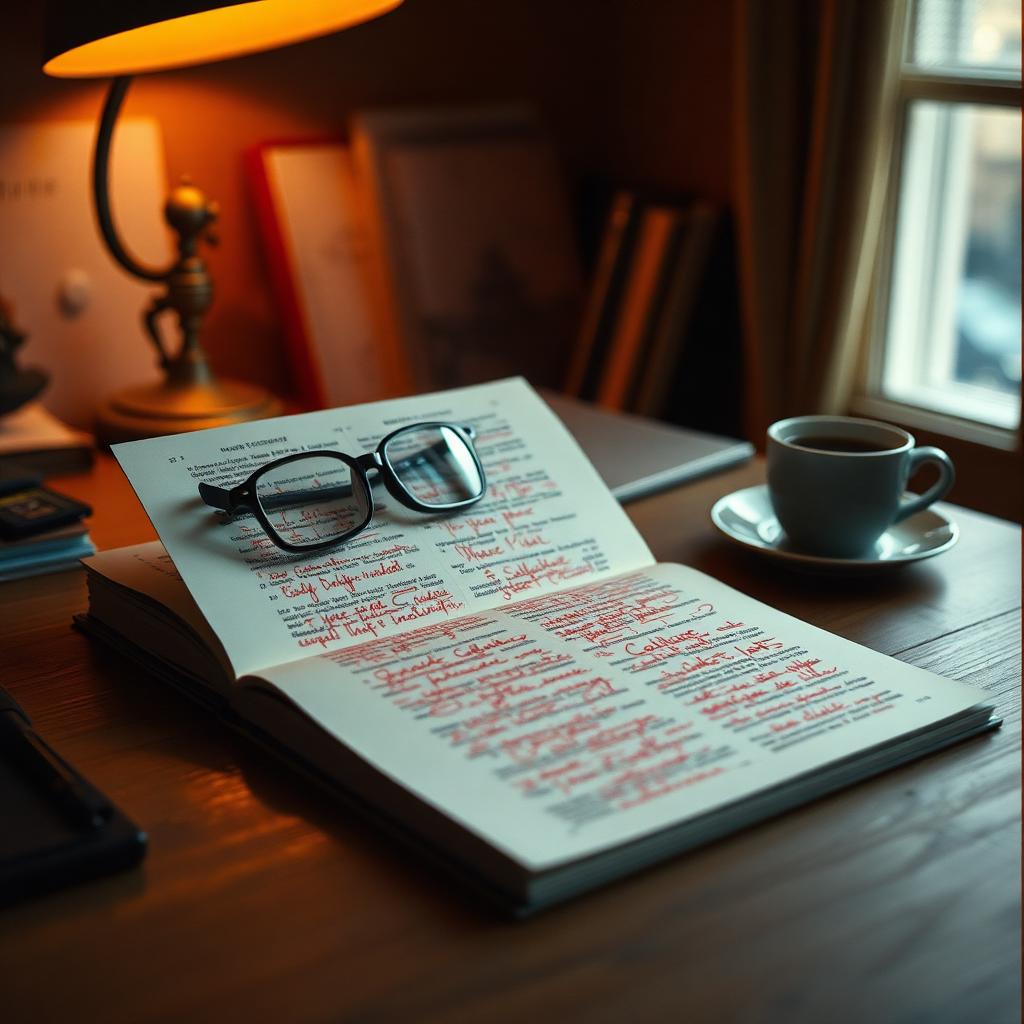 Stop 8 · The Rewrite
The Second Draft: Where the Book Actually Happens
The first draft is you telling yourself the story. The second is where the book is actually made. On the art of cutting what you love.
Read the essay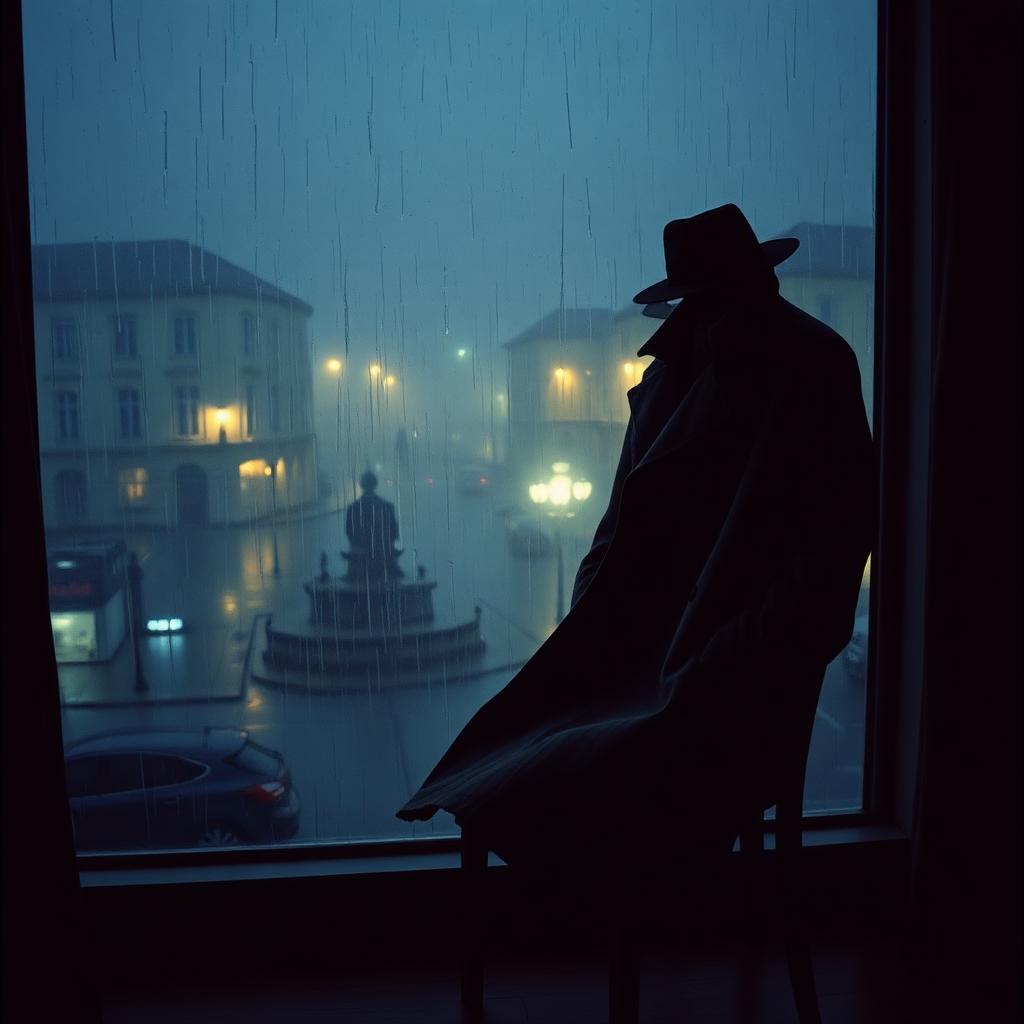 Stop 9 · The Fiction
Spies and Storytelling: The Cold War as Literary Material
What the world of espionage teaches a novelist about tension, betrayal and the stories people tell to survive.
Read the essay Stop 10 · The Future
AI and the Writer: A Tool, Not a Replacement
The trail ends where the craft is changing fastest. What AI can do for a writer, what it cannot, and why the difference matters more than ever.
Read the essay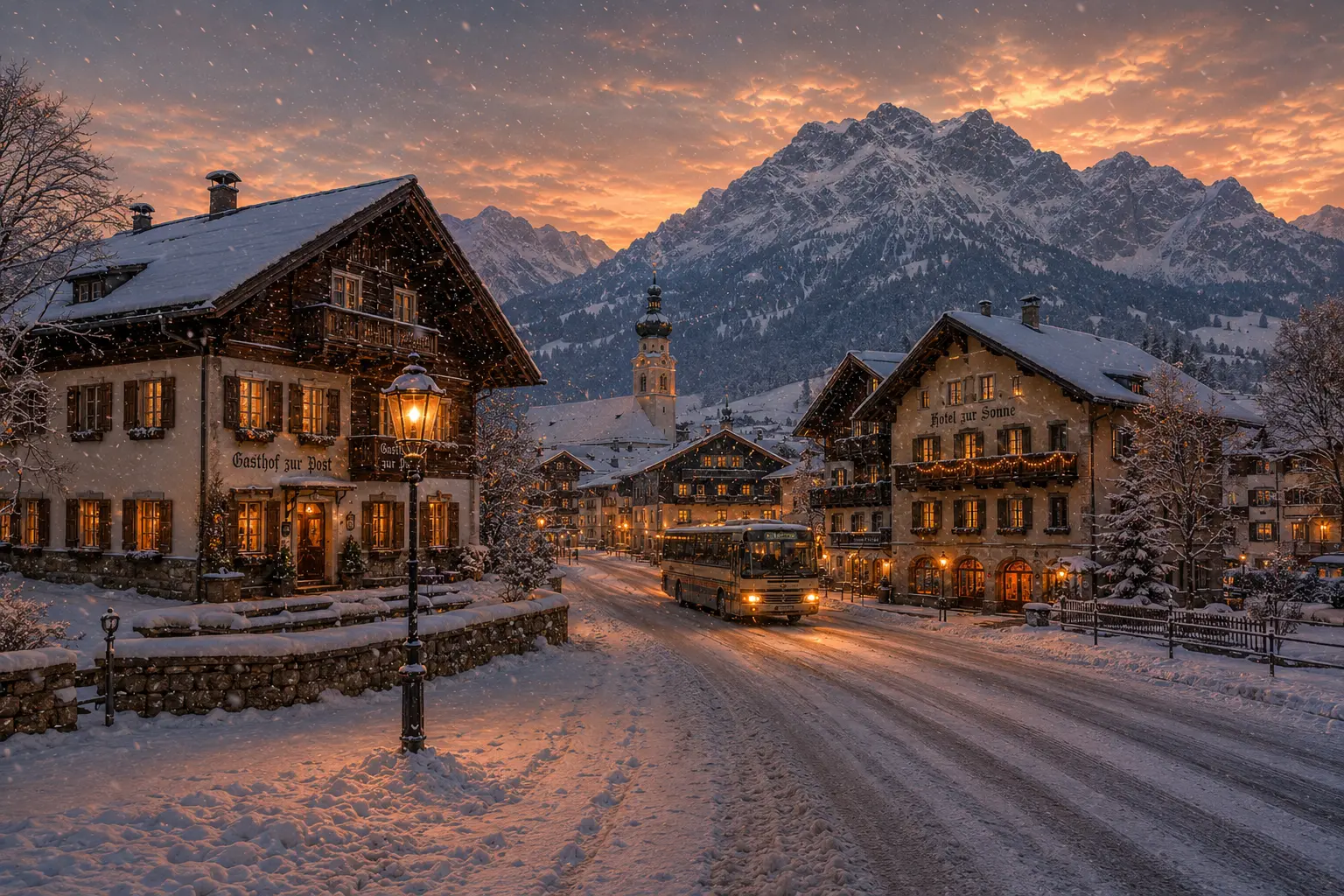 Stop 11 · The Next Chapter
My Seventh Book Is Coming This September: A Season in the Snow
The newest stop of all: my seventh book, A Season in the Snow — written in three weeks and heading for the Austrian Alps, publishing on 2 October 2026.
Read the essay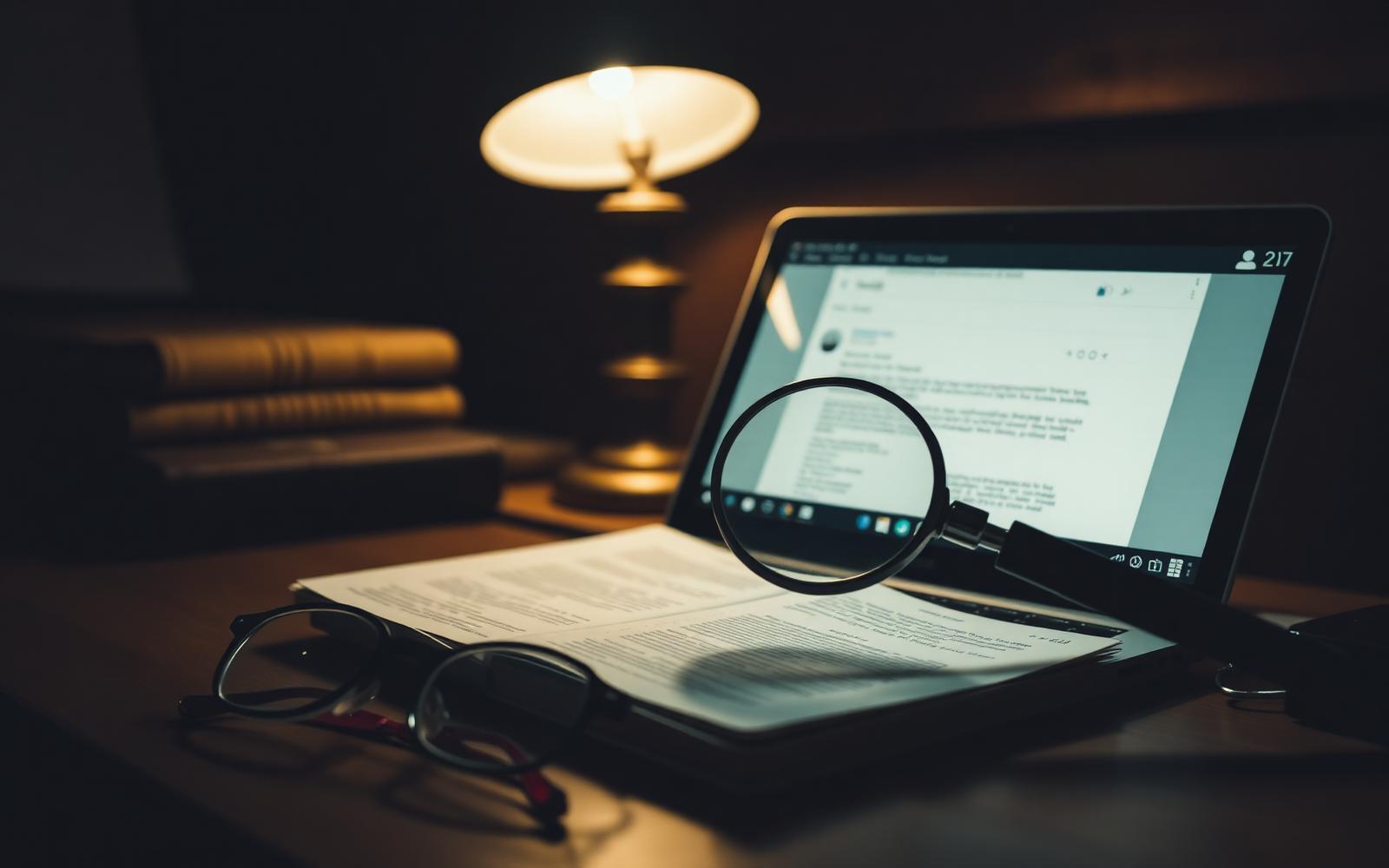 Stop 12 · The Warning
The Rise of Author Scams and How to Spot Them
A hard-headed stop: fake agents, invented book fairs and paid awards — the checklist every independent writer should keep beside the inbox.
Read the essay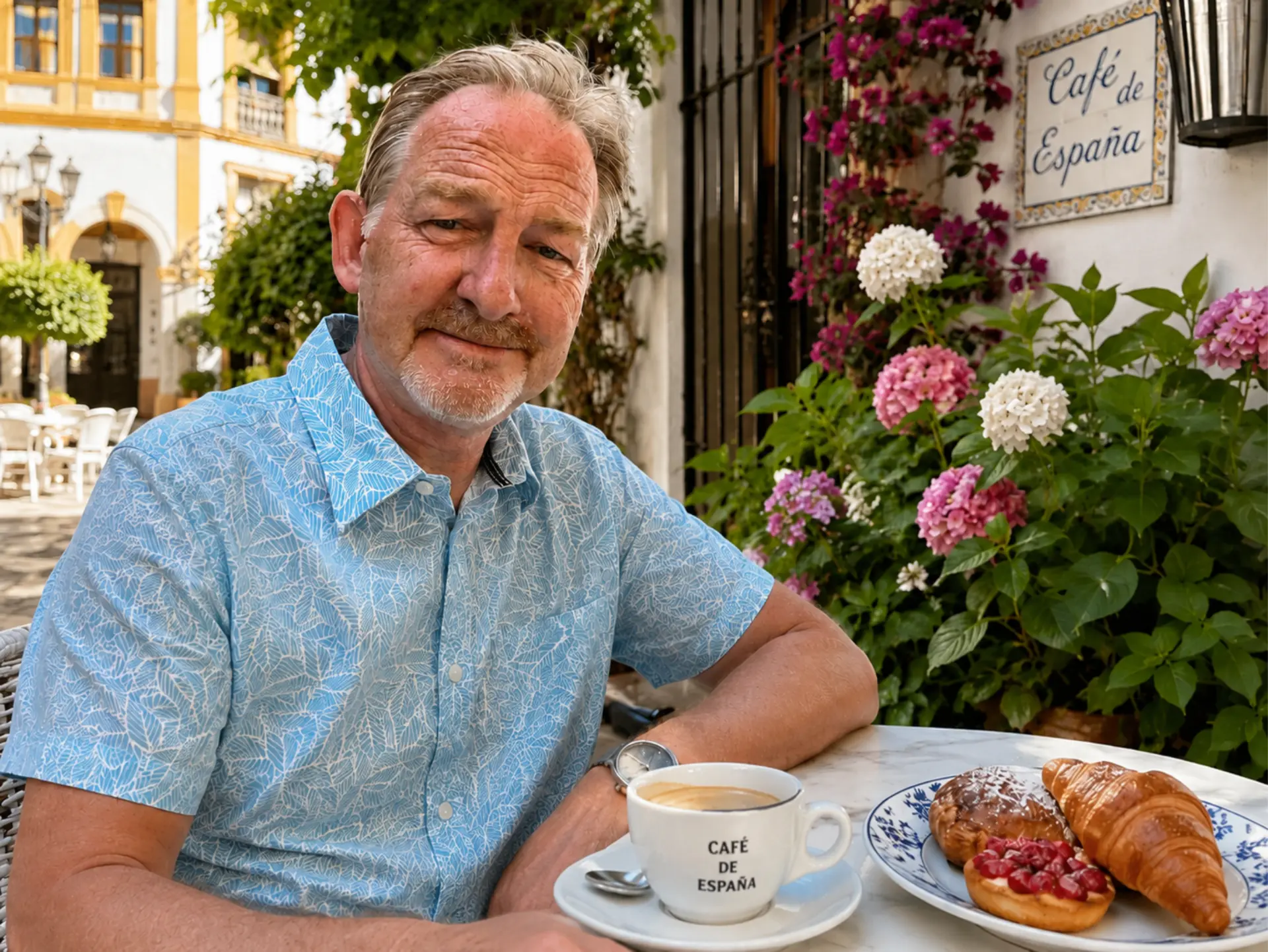 Stop 13 · The Turning Point
How Writing Books Changed My Life
The trail's most personal stop: how a hospital bed became a writing desk, and how the books that followed changed everything.
Read the essay Stop 14 · The Making of a Novel
Writing A Season in the Sun: When Fiction Begins with Real Life
The newest stop: how memories of the Costa Brava in the 1980s — real people, real places, real summers — grew into the fiction of A Season in the Sun.
Read the essay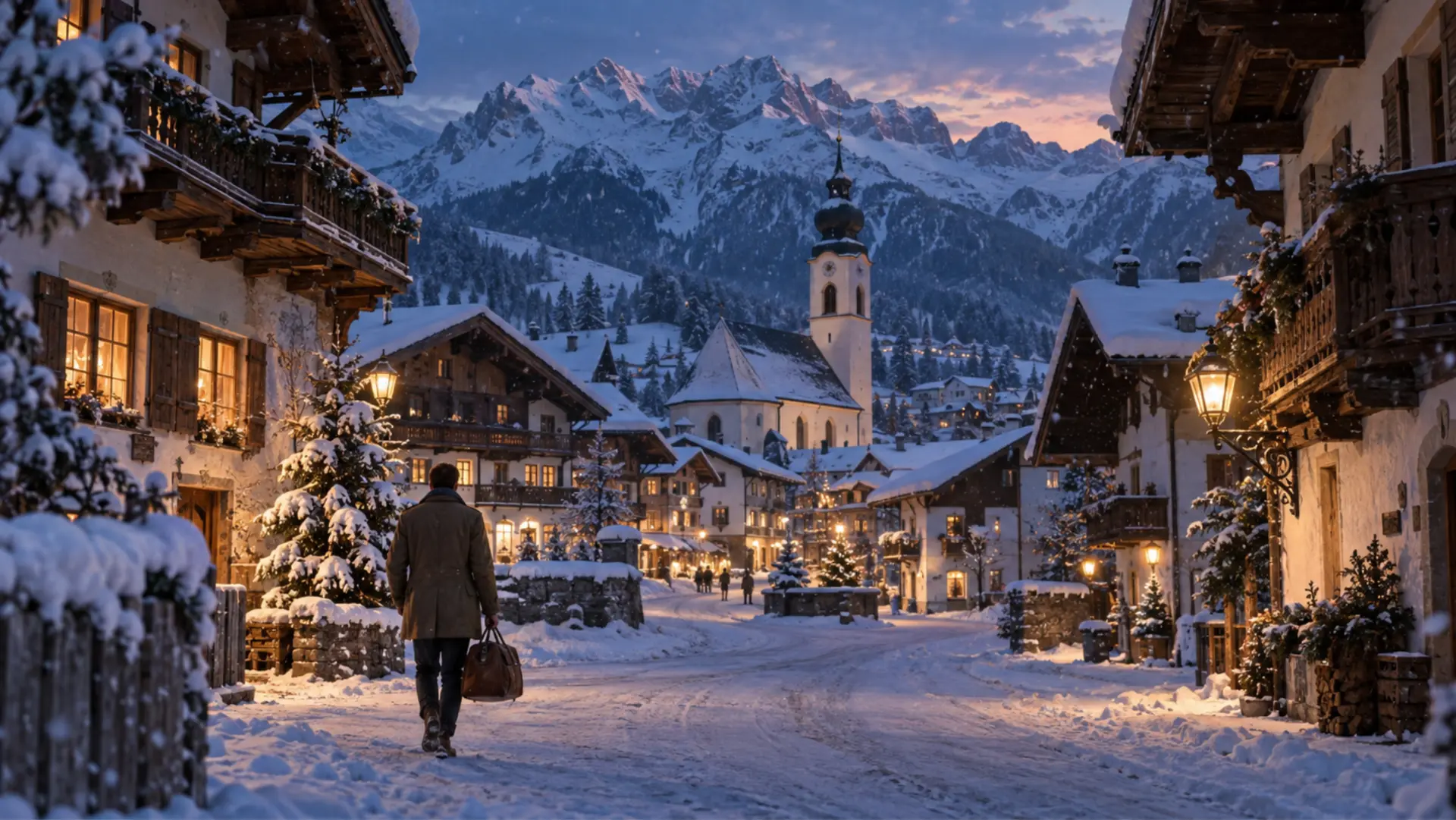 Stop 15 · The Next Novel
From Sunshine to Snow: The Excitement of Sharing My Next Novel
The latest stop: the excitement of sharing A Season in the Snow — moving the Sunshine Seasons series from Mediterranean warmth to the Austrian Alps.
Read the essay
Letters from the desk.
Notes on writing, reading and the business of books — sent monthly to the newsletter list, never more often.