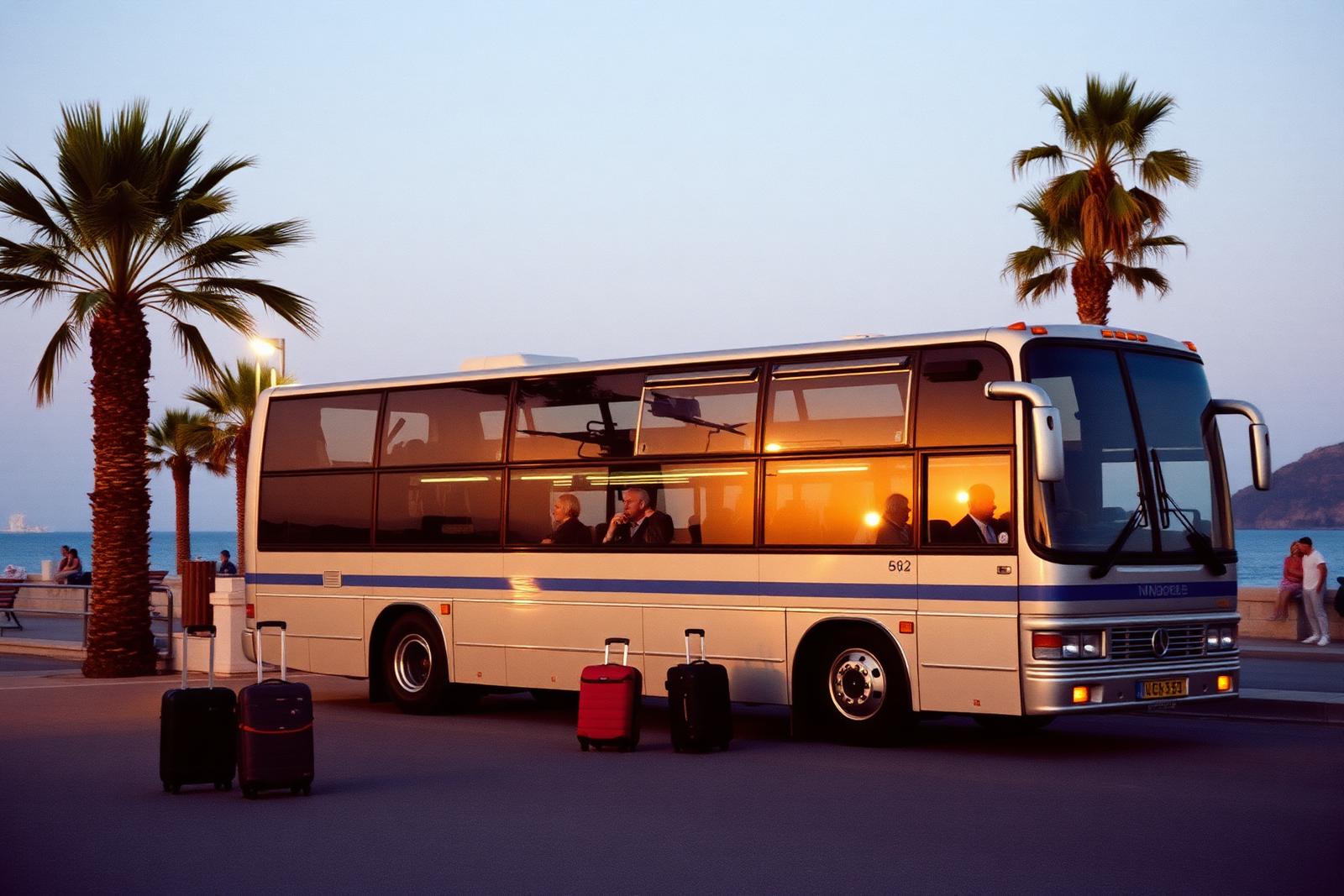
The Golden Age of the British Package Holiday
Thomson, Cosmos, Intasun and the great charter brands made the Mediterranean affordable to millions. Having worked inside that world, I still think it was one of Britain's finest industries.
There was a time when the British summer did not begin with a weather forecast but with a brochure. Glossy, thick enough to prop open a door, it arrived through the letterbox or was collected from a high-street travel agency with a reverence now reserved for technology launches. Families studied it at the kitchen table as though choosing a new life, which for two weeks every year is exactly what they were doing.
The 1980s were the golden age of that ritual. The package holiday had matured from the post-war experiment into a vast, confident industry built on charter aircraft, block-booked hotels, overseas representatives and prices that made the Mediterranean available to people whose parents had never left Britain. Spain, Greece, Portugal, the Balearics and later Turkey became familiar enough to feel almost domestic, yet still thrillingly foreign when the aircraft doors opened and the heat came in.
I knew that world from the inside. I worked for Thomson Holidays, the giant of the era, and for Cosmos Holidays, one of its most energetic rivals. These were not faceless corporations to those of us who wore the uniform. They were machines of extraordinary coordination. Aircraft, transfers, hotel contracts, welcome meetings, excursions, complaints, lost passports, medical dramas and the occasional wedding all had to be made to work in resorts hundreds of miles from head office.
Thomson, with Britannia Airways behind it, had scale and polish. It could fill aircraft and hotels with a reliability that made the economics work. Cosmos had a sharp instinct for value and a loyal following among travellers who wanted sun without pretension. Around them stood a cast of names that once dominated the high street: Intasun, with its aggressive pricing and bright branding; Horizon, which had helped define the mass market; Airtours, rising quickly; Olympic, serving the Greek islands; Monarch linking flights and holidays; and a hundred smaller specialists and regional operators.
The genius of the system was the overseas representative. To the customer, the rep was the smiling face at the airport and the person who knew where to hire a moped. In reality, the rep was part concierge, part nurse, part diplomat, part debt collector and part amateur psychologist. They dealt with sunstroke, romance, food poisoning, money, noise, lost rooms and the eternal complaint that the sea was too near the nightlife or the nightlife too far from the sea. It was the finest training in human behaviour I have ever had.
The economics were ruthless. Operators negotiated hotel beds years ahead, filled charter aircraft to the last row, and made money on margins so thin that a bad season could bring down a famous name. Intasun's parent group collapsed in 1991 and demonstrated how quickly confidence could vanish. But when it worked, it was magnificent. A family could book in January, pay in instalments, fly from a regional airport, be met at arrivals and delivered to a clean room with a balcony and a pool. The industry industrialised happiness.
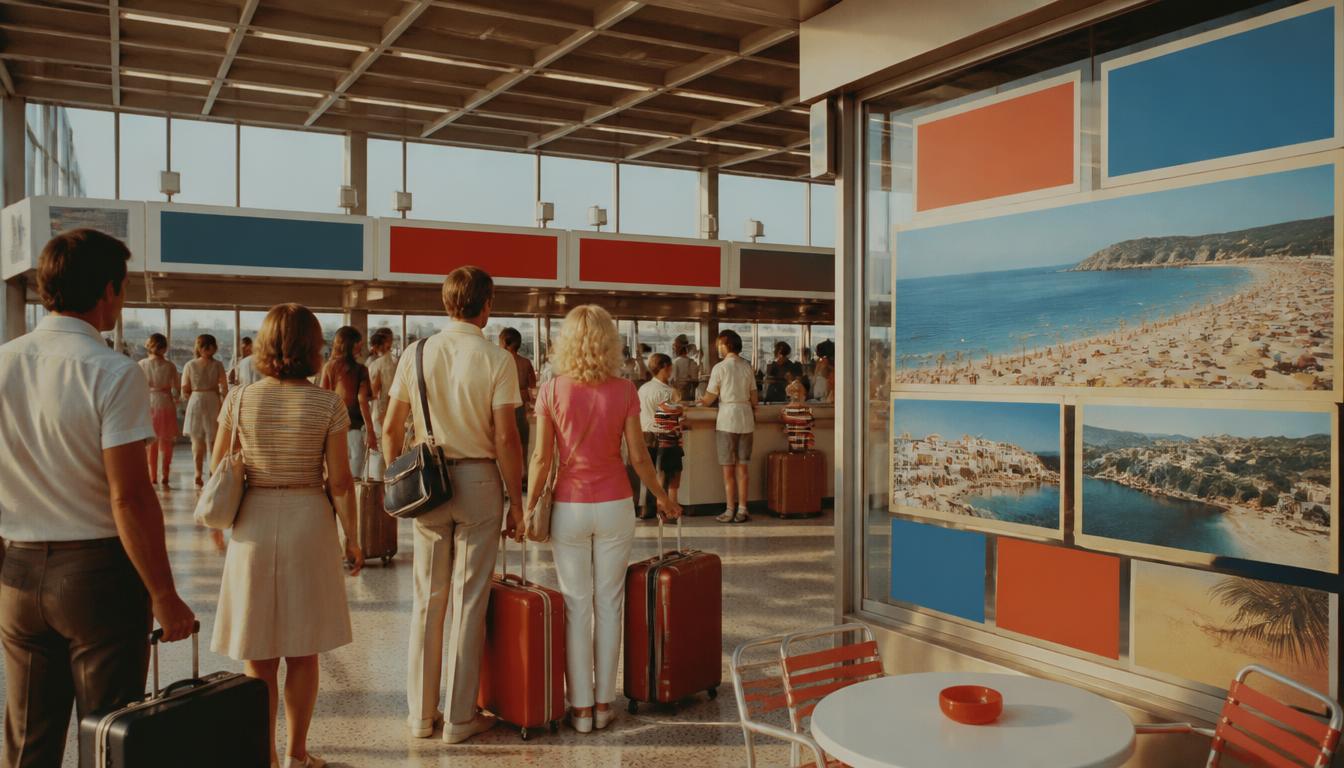
It also changed Britain. The package holiday normalised foreign food, foreign wine, foreign languages and the idea that ordinary people belonged abroad. It created expectations of comfort and value that later shaped everything from budget airlines to online booking. The high-street travel agent became a trusted local institution. The airport departure hall in August became a kind of national theatre.
What ended the era was not one thing but several: the internet, low-cost scheduled airlines, direct hotel booking, financial failures and a customer who became more confident travelling independently. Much was gained. Something was lost too. The package holiday at its best offered protection, simplicity and a human being in the resort whose job was to help. Modern travel is wonderfully flexible, but when the airline app goes quiet and the hotel says the reservation never arrived, flexibility can feel lonely.
I look back on Thomson, Cosmos, Intasun and their rivals with pride rather than nostalgia. They were complicated, flawed, intensely competitive businesses that gave millions of people some of the happiest days of their lives. That is not a bad legacy for an industry.