Spies and Storytelling: The Cold War as Literary Material
Why the espionage novel remains the great modern form for writing about loyalty, doubt and the private cost of public work.
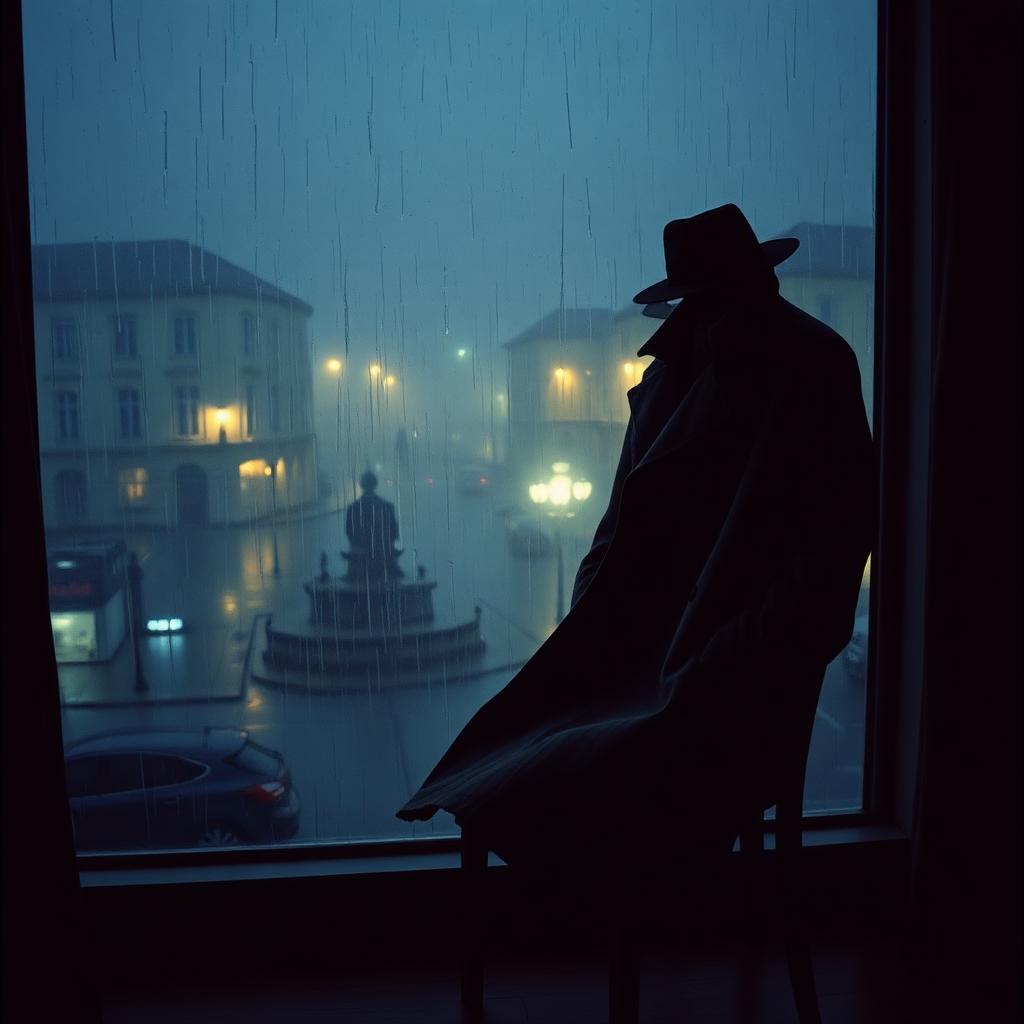
The spy novel, at its best, is not really about spying. It is about loyalty. About what a person owes to a country, to an institution, to another human being — and what happens when those three loyalties stop pointing in the same direction.
This is why the Cold War remains such fertile ground for fiction, decades after it ended. The moral architecture of that period — two systems, each convinced of its own necessity, each willing to spend individual lives on the argument — produced the exact conditions in which the interior life of a character becomes visible.
Le Carré understood this better than anyone. His best books are not thrillers. They are marriages, in the ordinary sense of the word — long, disappointed, occasionally tender relationships between a person and the service they gave their life to.
When I wrote The Spy Who Found Me, I was not chasing plot. I was chasing the moment, familiar to anyone who has ever worked inside a large institution, when you realise the organisation you serve is no longer the organisation you joined. The Cold War merely provided the stage. The question is older.
History gives fiction its costumes. The story underneath is always the same one: what did you owe, who did you owe it to, and did you pay.