Kent Steps Into the Frame: Film, Television and the County's New Role
A Hollywood shoot in Whitstable and Hallmark's Christmas in Canterbury are not isolated novelties. Kent has become one of Britain's most useful counties on screen.
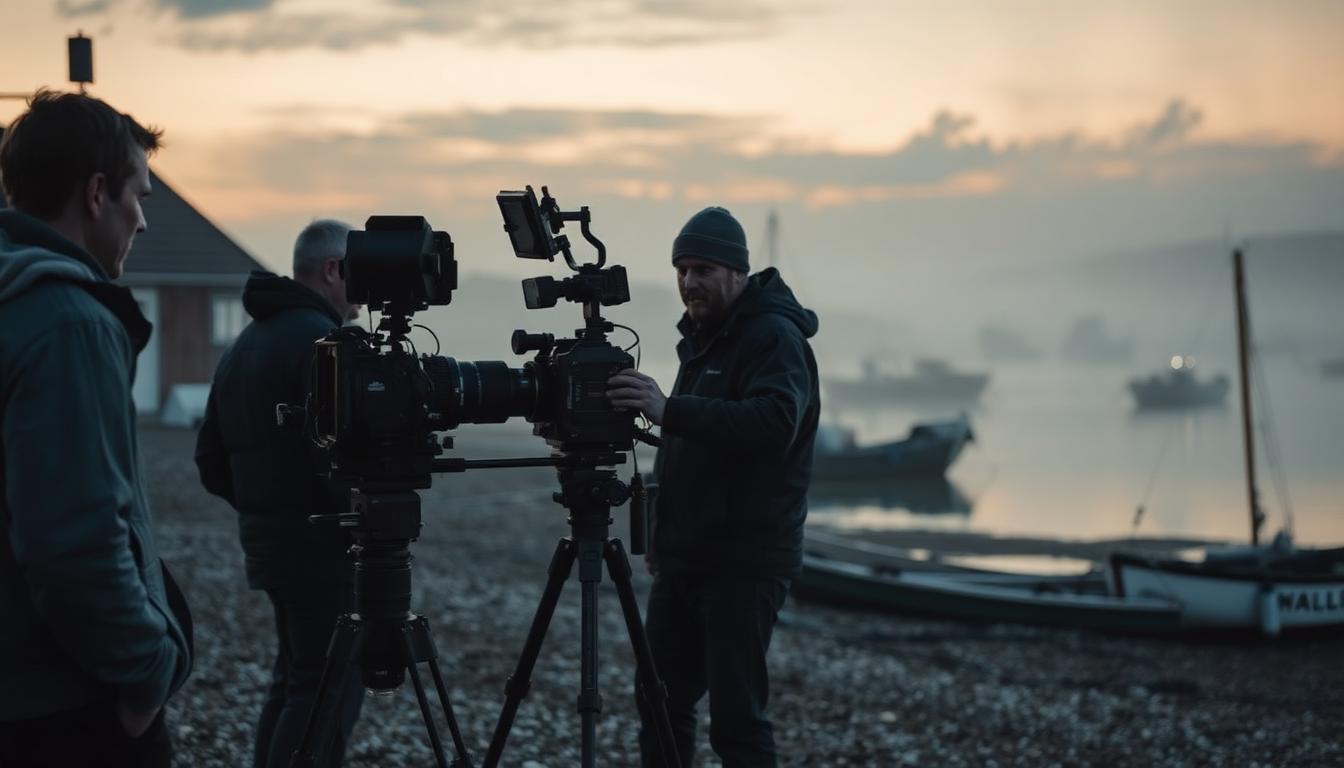
There is a moment, familiar to anyone who lives in a film-friendly place, when the ordinary street you use for bread and milk is suddenly full of cables, monitors, costume rails and people holding quiet conversations into headsets. Kent has been having more of those moments lately. In 2026 alone a Hollywood production chose Whitstable, while Canterbury hosted the Hallmark film Christmas in Canterbury. These are not accidents. They are evidence of a county being discovered by an industry that knows a versatile location when it sees one.
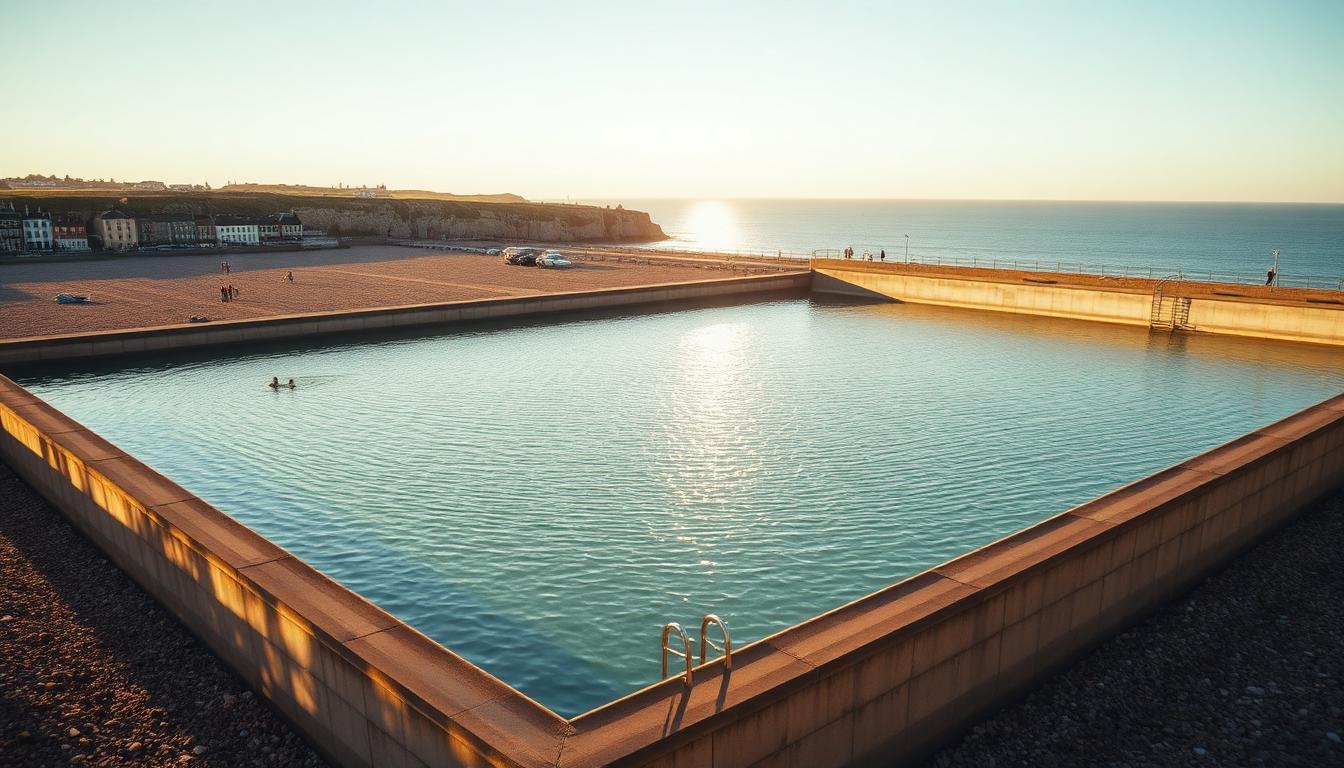
Kent's advantage is range compressed into short distances. Within an hour a production can move from Canterbury Cathedral's medieval presence to the shingle of Whitstable, from Dover Castle's military mass to the Georgian elegance of Deal, from Margate's faded seaside theatricality to the marshes, orchards, oast houses and chalk downs that define the interior. The county can double for periods and places far beyond itself. Few parts of Britain offer so many usable textures without a long unit move.
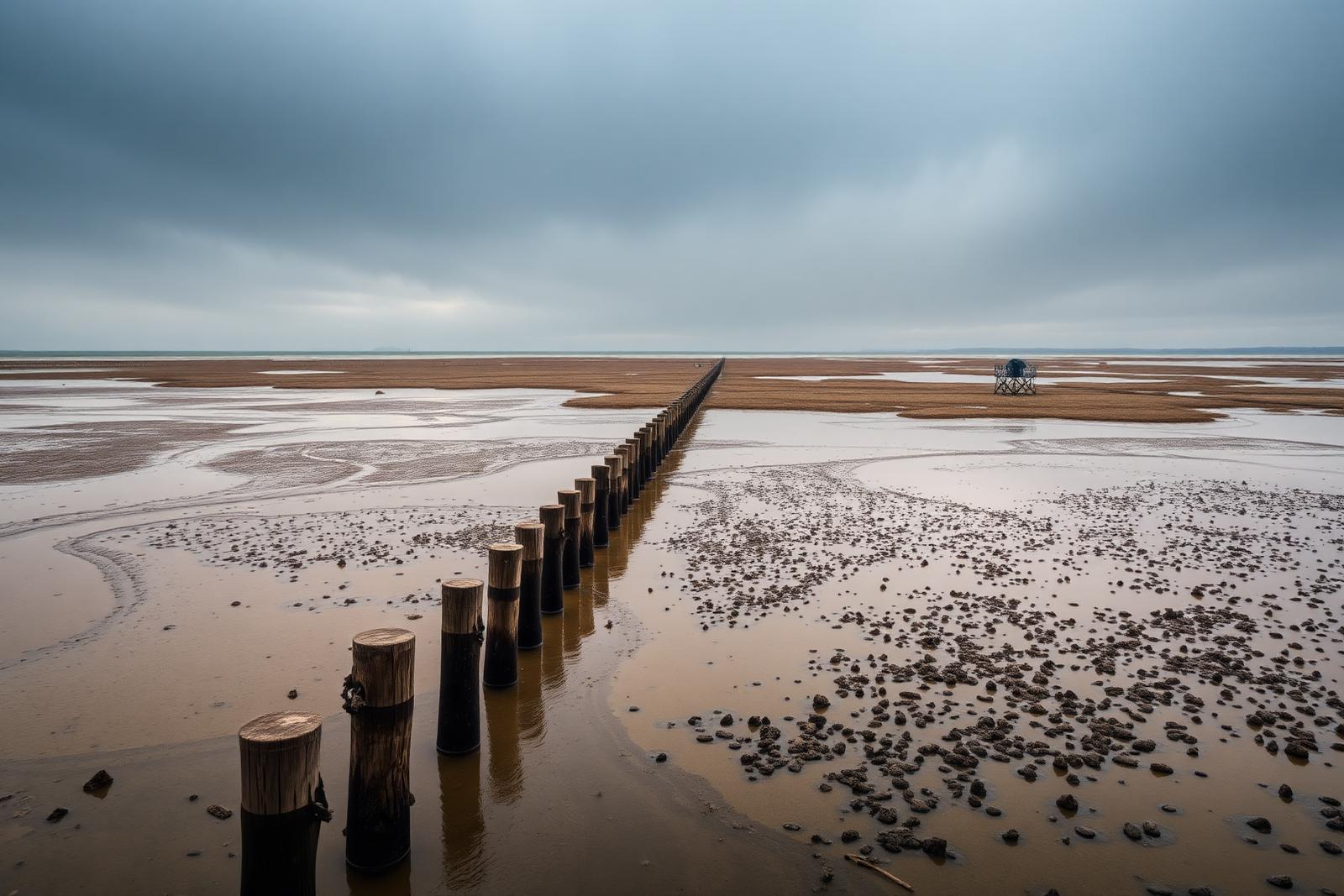
Whitstable is a particular gift to a camera. It has a working harbour rather than a polished marina, weathered boats, oyster sheds, narrow streets, beach huts and a horizon that changes mood every twenty minutes. It can play nostalgic, contemporary, coastal, comic or melancholy without extensive dressing. A Hollywood crew arriving there is not choosing a postcard. It is choosing a place with enough visual truth to carry a story.
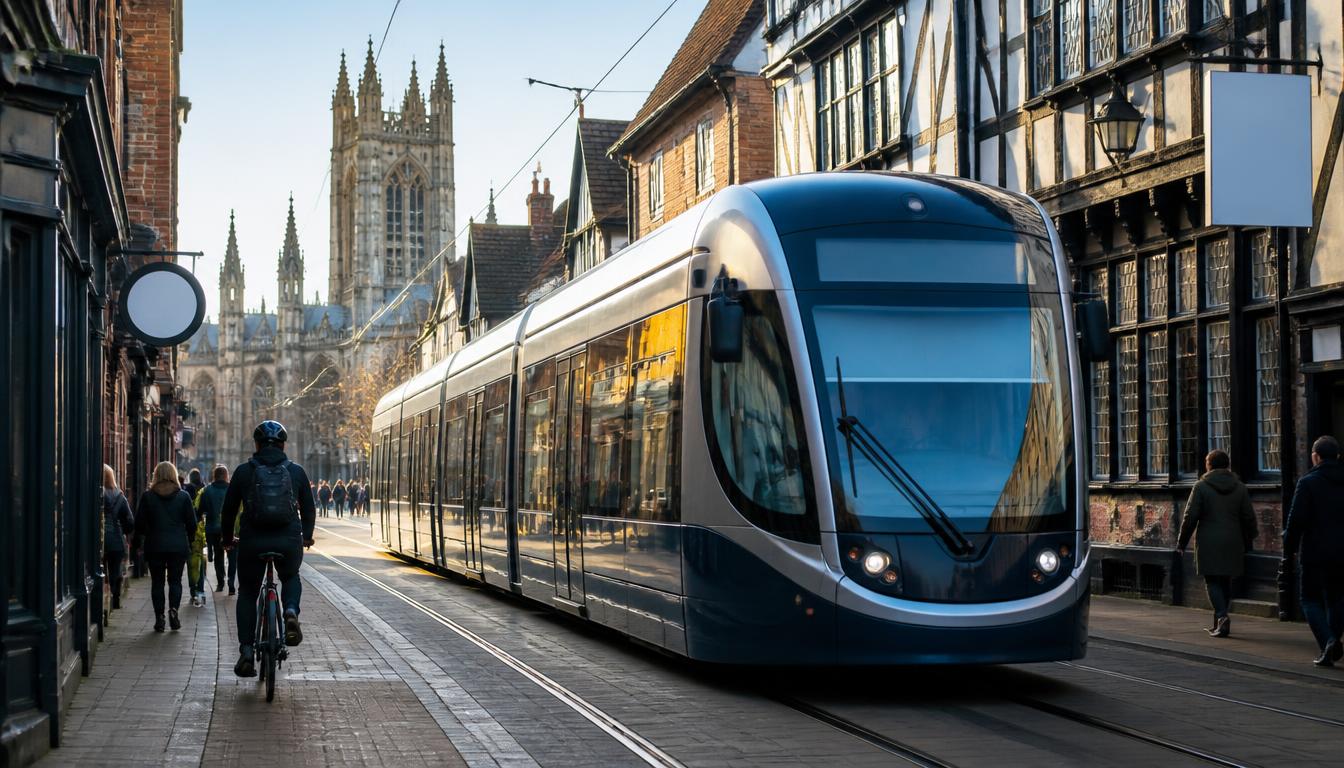
Canterbury offers something different: scale and ceremony. The Cathedral dominates, but the supporting cast is just as useful — medieval lanes, timber-framed buildings, river channels, city walls, university architecture and a centre that can be dressed for Christmas without looking absurd. A film called Christmas in Canterbury could hardly have been invented by a marketing department. The title is practically a location brief.
The county has form, of course. The Historic Dockyard at Chatham has stood in for naval Britain, industrial London and much else. Dover Castle has provided battlements and state power. Deal and Sandwich offer period streets; Margate brings light, seafront and a hint of glorious decay; the Romney Marsh landscape can look like nowhere else in England. The Kent Film Office has spent years making these places easier to use, and that quiet administrative work matters more than the occasional glamour of a star sighting.
Screen production brings real money, though not always where residents first notice it. Crews book hotels, hire local trades, eat in local restaurants, rent warehouses, pay location fees and employ extras. A single shoot can leave behind a useful trail of spending. The longer benefit is reputational. Places seen on screen acquire a second life in the imagination of viewers, and tourism authorities have learned that a well-loved film can move visitors more effectively than a conventional campaign.
There is also a cultural effect that should not be underestimated. When film-makers repeatedly choose Kent, they are confirming what locals can forget: that the county is visually extraordinary. The familiar becomes newly legible. A street you have walked down a thousand times appears on a cinema screen and you see, with mild surprise, that it has presence. That recognition matters to a place's confidence.
The challenge is to welcome production without becoming a servant to it. Filming disrupts parking, closes roads and tests patience. Councils need to be nimble, residents need honesty, and the benefits need to reach beyond the immediate hire invoices. But done properly, screen work is a clean, mobile, skilled industry that fits Kent remarkably well.
The county has spent centuries looking outward — to the Channel, to London, to trade routes and invasion beaches. Film is simply the latest visitor to arrive by that openness. If 2026 is any indication, Kent's role in front of the camera is only beginning.