The Rise of the British Beekeeper
Beekeeping in the UK has grown dramatically in twenty years. What that means for pollination, for honey, and for the bees that are not honeybees.
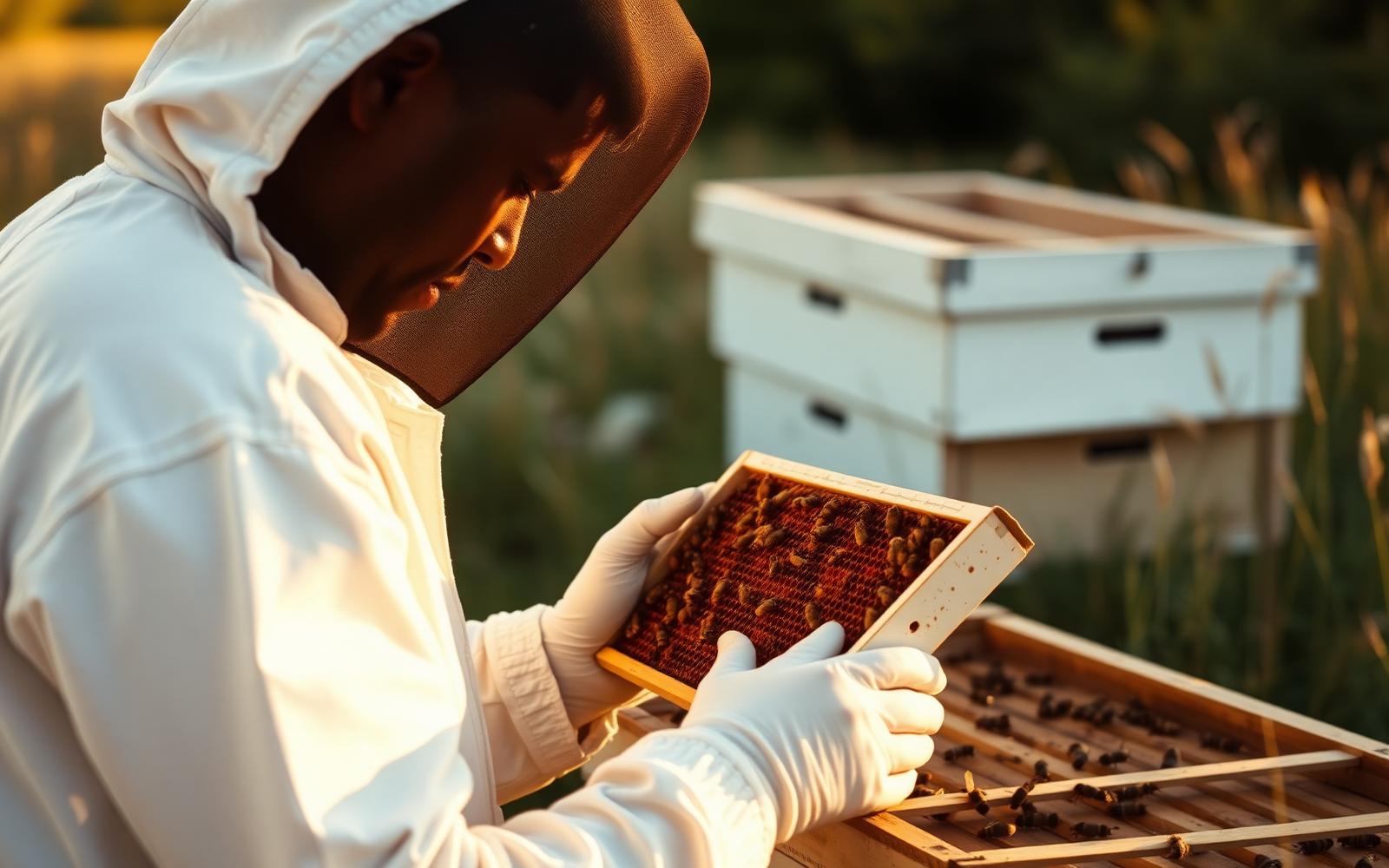
Two decades ago, British beekeeping looked like a declining rural pursuit with an ageing membership. Today the national association's membership has grown several times over, urban rooftops carry hives, courses are oversubscribed and there is a waiting list for nucleus colonies most springs. It is one of the more remarkable amateur revivals in the country.
The trigger was the mid-two-thousands alarm over colony collapse disorder, which arrived in Britain via American headlines and coincided with the arrival of the varroa mite as an established, unavoidable problem. The public response was unusual: rather than shrug, thousands of people decided to keep bees themselves. Local associations, which had been quietly shrinking, suddenly found their winter lecture programmes full.
The benefits are real and worth stating properly.
Pollination is the obvious one. Insect pollination is essential to a substantial proportion of what we eat — apples, pears, plums, beans, oilseed rape, soft fruit — and its economic value to British agriculture runs into hundreds of millions of pounds a year. Honeybees are a managed, movable pollination workforce, which is precisely why orchard growers rent hives.
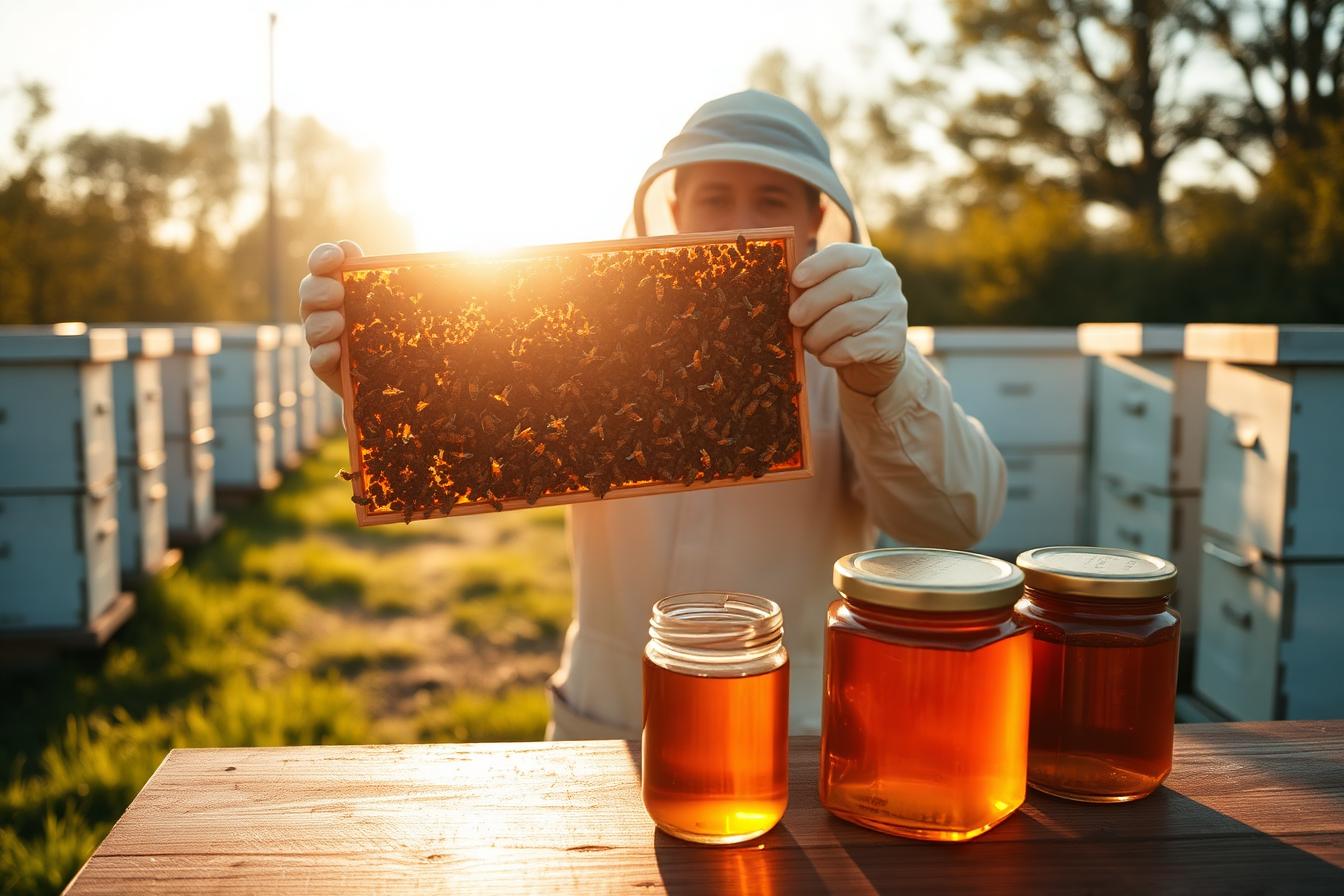
Honey itself is the visible product, and British honey has genuine local character. Heather honey from the moors, borage honey from arable Lincolnshire, lime honey from city avenues — each tastes of where it came from in a way that blended supermarket honey does not. The country imports the large majority of the honey it consumes, so domestic production has room to grow, and adulterated imported honey has become a serious enough problem that provenance now carries a premium.
There is a well-documented wellbeing benefit too. Beekeeping requires slow, deliberate attention. You cannot inspect a colony while distracted or hurried, and an hour at the hive has the same effect as an hour of any absorbing manual craft. Several veterans' charities and mental health projects now run apiaries for exactly this reason.
And there is the education effect. A person who keeps bees for one season learns more about forage, pesticide use, hedgerows, weather and the agricultural calendar than a decade of reading would teach them. Beekeepers become quietly effective advocates for wildflower margins and against unnecessary spraying.
But an honest account has to include the complication, because it is significant. Honeybees are livestock, not wildlife. Britain has around two hundred and seventy species of bee, and only one of them is the honeybee. The rest — bumblebees, mining bees, mason bees, leafcutters — are the species genuinely in trouble, and in areas with very high hive density there is credible evidence that managed colonies compete with wild pollinators for a limited forage supply. Some London parks and other urban hotspots now carry more hives than the surrounding flowers can reasonably support.
The conclusion is not that beekeeping is bad. It is that keeping hives is not, by itself, conservation. If the aim is to help pollinators generally, planting forage is more effective than adding colonies: early-flowering trees such as willow and hawthorn, summer perennials, ivy in the autumn, and leaving areas of the garden unmown. If the aim is to keep bees, then do it properly — join the local association, take a course, learn varroa management, keep records, and site hives where the forage exists rather than where the view is nice.
The practical requirements are modest but not trivial. A hive, a suit, a smoker and a starter colony will cost several hundred pounds. You need somewhere sheltered with the flight path directed away from footpaths and neighbours. You need to inspect weekly through the swarming season, which is a real commitment from April to July. You should register with the National Bee Unit so that disease outbreaks can be traced, and you should tell your neighbours before the bees arrive rather than after.
Done attentively, it is one of the most rewarding things a person can do with a corner of a garden. You learn the year in a way that most of us have lost. And on a still evening in June, standing behind a hive listening to it work, it is very difficult to be worried about anything else.