The Quiet Boom in Home Jam Making
Preserving is growing fast in Britain again — driven by cost, waste, allotments and a genuine appetite for making something with your hands.
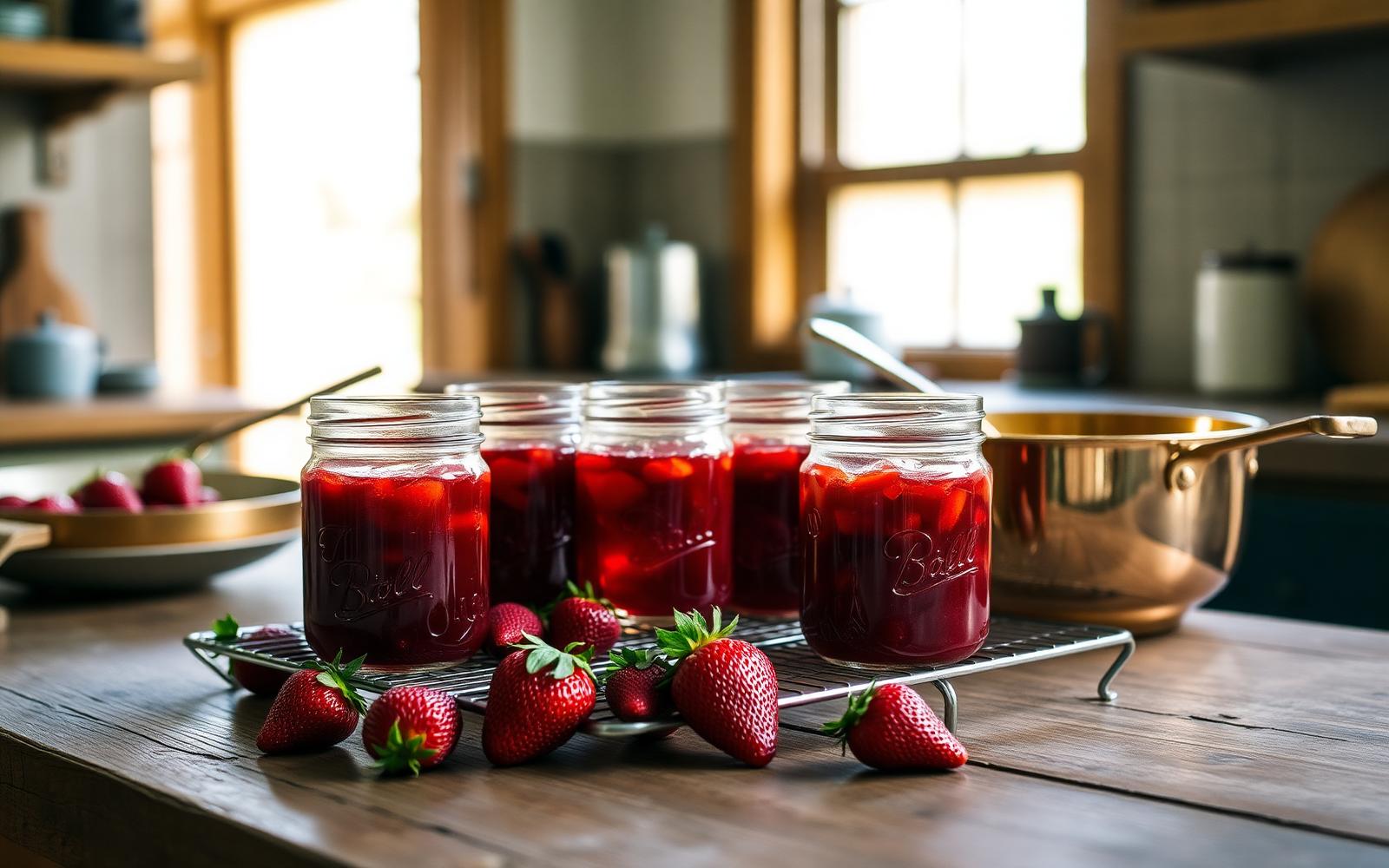
Something is happening in British kitchens that would have seemed unlikely twenty years ago. Sales of preserving sugar, jars and pectin have risen steadily, allotment waiting lists have lengthened to the point of absurdity in some boroughs, and jam making — an activity most people associated with their grandmother and a village fête — has become a mainstream hobby again.
There are four honest reasons for it, and only one of them is nostalgia.
The first is cost. A jar of decent artisan preserve in a farm shop costs several pounds. A kilo of fruit picked yourself, a bag of sugar and an hour of your time produces five or six jars for a fraction of that. During a sustained period of food price inflation, an activity that converts cheap seasonal surplus into something that keeps for a year has an obvious appeal. This is exactly why preserving boomed during both world wars and again in the nineteen-seventies.
The second is waste. Roughly a third of the food produced in the world is never eaten, and a great deal of the domestic waste in Britain is fruit that went soft before anyone got to it. Jam is the traditional answer to a glut. Anyone with a plum tree understands the problem instinctively: for two weeks in late summer the tree produces more fruit than a family can possibly eat, and the alternative to preserving is watching it rot on the lawn.
The third is the growing-your-own revival. Allotment demand in the United Kingdom has been extraordinary since the early twenty-twenties, with waiting lists running into years in many councils. Anyone who grows soft fruit arrives at preserving within a single season, because raspberries and blackcurrants do not wait for your convenience. Foraging has had a parallel revival, and hedgerow blackberries and sloes are free.
The fourth is harder to quantify but I think it is the strongest. There is a widespread hunger for making something physical, finite and successful. Most modern work produces nothing you can hold. A row of jars on a shelf, sealed and labelled, is an unambiguous result, achieved in an afternoon, with no notifications involved. The same instinct is behind the rise in bread making, brewing, pottery and sewing.
The craft itself is simpler than people fear. Jam is fruit, sugar and acid, boiled until the pectin sets. Fruits high in natural pectin — cooking apples, blackcurrants, gooseberries, damsons, quince — set easily. Low-pectin fruits such as strawberries, cherries and rhubarb need lemon juice or added pectin. The setting point is 105 degrees, or the wrinkle test on a chilled saucer, which is what most experienced preservers still use.
The safety rules matter and are widely ignored by beginners. Sterilise jars properly in the oven or a dishwasher cycle and fill them hot. Use the sugar quantity in the recipe rather than reducing it for health reasons, because sugar is the preservative and a low-sugar jam without a proper method belongs in the fridge and must be eaten quickly. Chutneys and pickles need vinegar of at least five per cent acetic acid. And low-acid vegetables cannot be safely preserved by water-bath methods at all, which is where the internet occasionally gives dangerous advice.
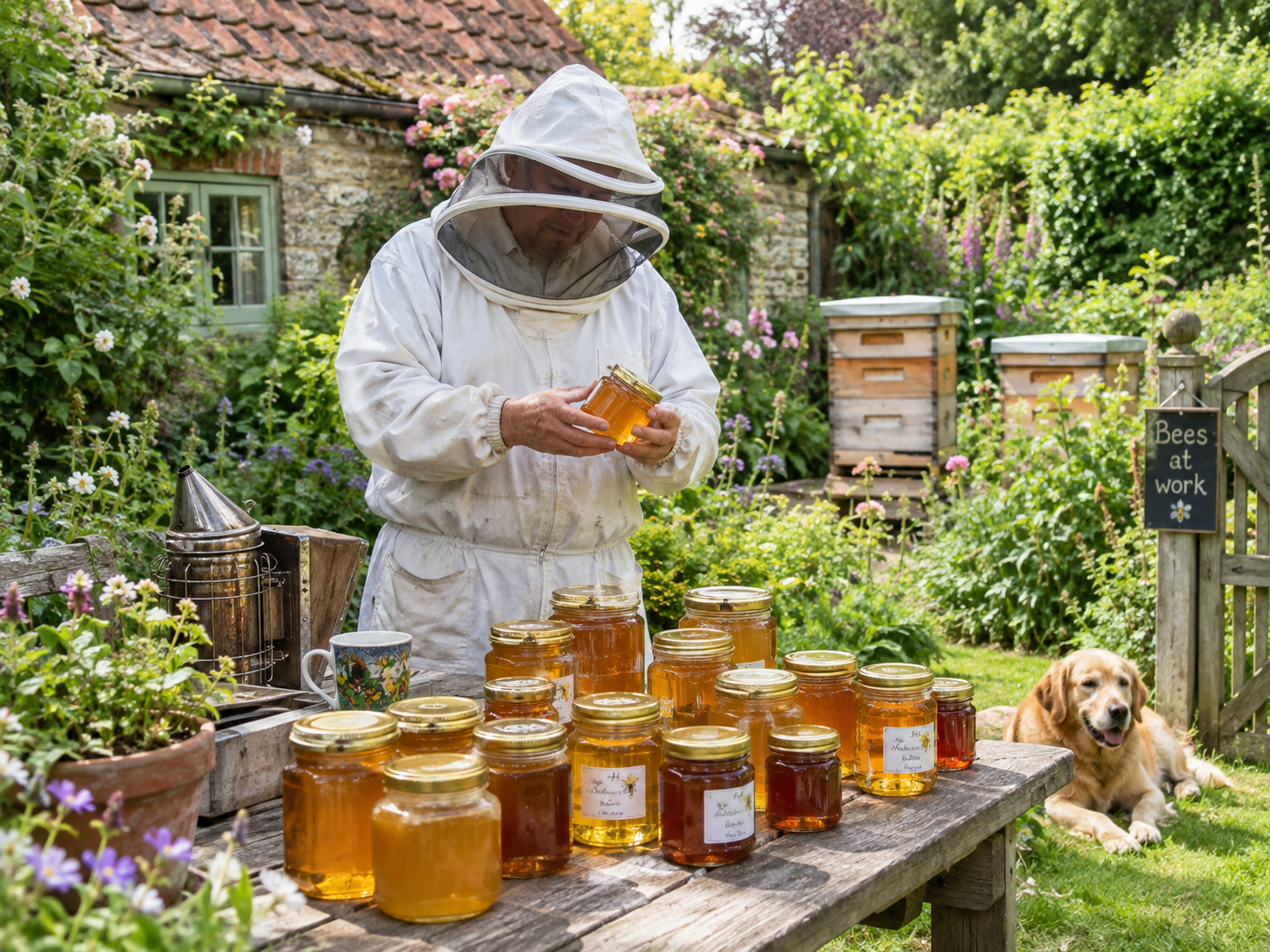
There is a small commercial layer to this too. Britain's registered food business rules permit selling home-produced preserves at markets and fêtes provided you register with your local authority, follow labelling law and understand allergen rules. A surprising number of small preserve companies now trading nationally began exactly this way, with a stall, a hundred jars and a hand-written label. Margins are decent because the raw material is cheap and the perceived value is high.
What I like most about the revival is that it is genuinely intergenerational. The technique came from people who preserved out of necessity and is being picked up by people doing it by choice, which is usually the point at which a craft survives rather than dies. It is also seasonal, which almost nothing else in modern life is. You cannot make damson jam in March, and having a few weeks in the year that mean something specific is worth more than the jam.