How to Start a Tour and Travel Business
Building an operator rather than an agency: designing the product, pricing it honestly, and surviving the cash-flow trap that kills most of them.
There is a fundamental difference between selling somebody else's holiday and building your own. An agent earns commission and carries limited risk. A tour operator designs the product, buys the components, sets the price, owns the customer and carries every risk in the chain. It is a far better business when it works and an unforgiving one when it does not.
Everything begins with the itinerary, and the commonest mistake is designing a tour around what you find interesting rather than what someone will pay for. A saleable tour has a clear proposition that can be understood in one sentence: seven days walking the Mallorcan dry-stone route with luggage transfers and half board. Vague products — bespoke luxury experiences across Europe — sell to nobody, because nobody knows what they are buying.
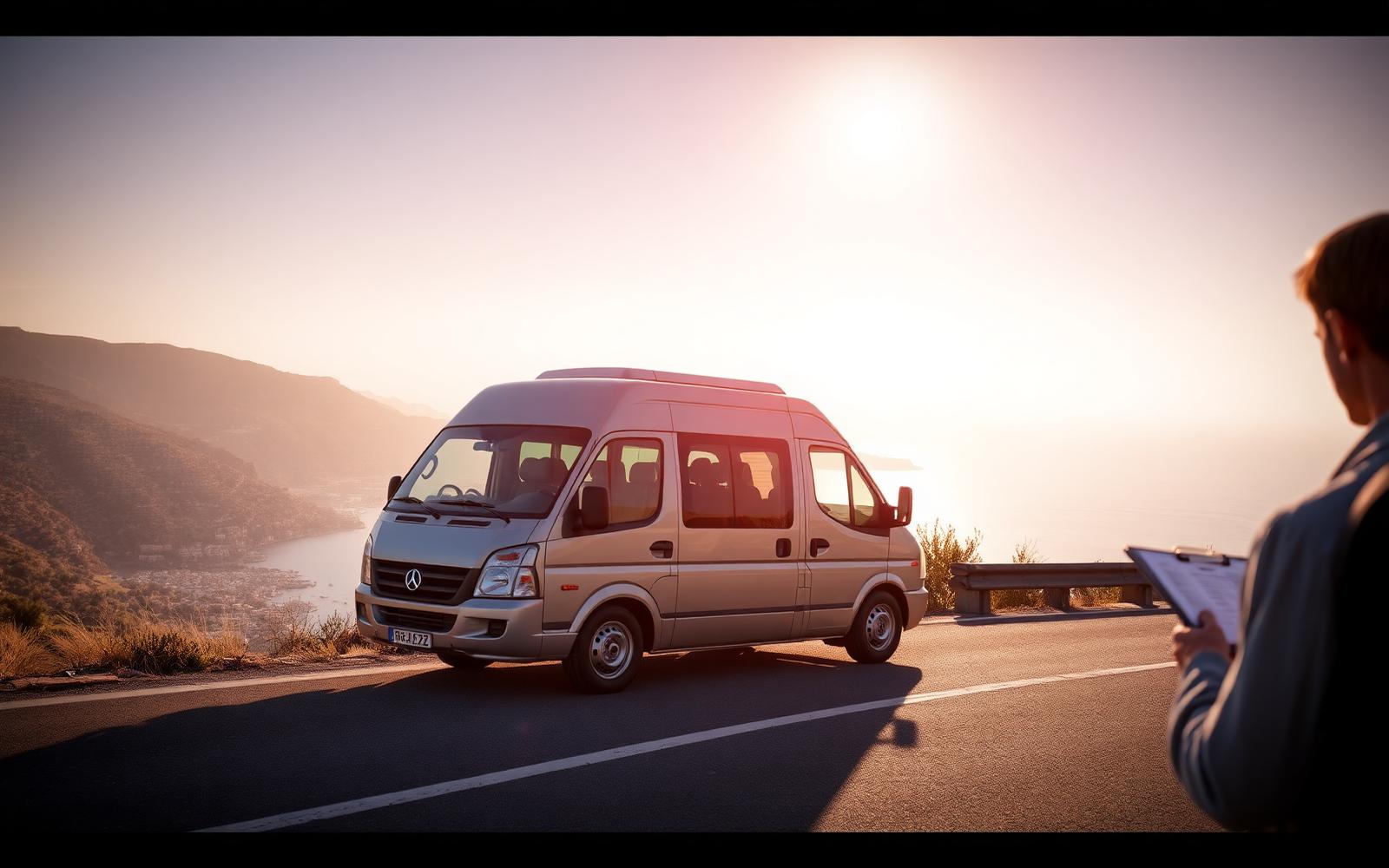
Choose your operating model early. You can be a ground handler running your own guides and vehicles in one region, which is capital-heavy but gives you control and margin. You can be a packager who buys hotels, transport and guides from local suppliers and assembles them under your brand, which is asset-light and scalable. Or you can be a specialist retailer of other operators' departures, which is really agency work. Most successful small operators start as packagers in a single destination they know intimately.
The legal position in the United Kingdom is unavoidable. If you combine two or more travel services for the same trip, you are an organiser under the Package Travel Regulations, with full liability for performance and mandatory insolvency protection for the customer's money. Add a flight and you need ATOL. Insolvency protection can come through a bond, through trust arrangements or through a membership scheme, and you must have it before you take the first deposit. Operators who take bookings first and sort out protection later are breaking the law and generally discover this at the worst possible moment.
Pricing is where most new operators quietly destroy themselves. Build the cost of every component per person at your minimum viable group size, not your hoped-for one. Add the fixed costs of the departure — the guide's time, their accommodation, the vehicle, the recce — and divide by that minimum. Then add a contingency of at least five per cent for currency movement and supplier increases, and a gross margin of twenty-five to thirty-five per cent. If the resulting price frightens you, the product is wrong; do not fix it by pretending you will fill every seat.
The cash-flow structure of tour operating deserves its own warning. You take deposits months ahead and pay suppliers weeks ahead. That gap feels like profit and is not. It is a liability sitting in your bank account. Operators fail when they fund this season's overheads with next season's deposits, because a single soft booking period turns a going concern into a hole. Keep customer money separate. Know at any moment what proportion of your balance you actually own.
Marketing a tour business is slower than marketing almost anything else, because the purchase is expensive, infrequent and emotionally loaded. Three channels reliably work. The first is depth of content: detailed, honest writing and photography about the exact places you operate, which brings people who are already searching. The second is partnerships with clubs, societies and special-interest groups who already have the audience you want. The third is repeat and referral, which for a good operator eventually becomes the majority of bookings.
Operationally, the details are the brand. Send joining instructions early and completely. Have a named person reachable while a group is travelling. Brief your guides not just on the route but on tone. Carry contingency money. Build a genuine crisis plan covering illness, missed connections, strikes, weather and a fatality, and review it before every season, because in twenty years of business you will use it.
Insurance is layered and non-negotiable: public liability, professional indemnity, employer's liability, and confirmation that every supplier carries their own. Check the vehicle operator's licences yourself rather than believing the invoice.
Start small and prove the product. One destination, one itinerary, four departures, sold to people you can reach without paid advertising. Measure how many travellers rebook or refer. If that number is strong, you have a business worth scaling. If it is not, adding destinations will only spread the problem more widely.