The Quiet Growth of Britain's Special Interest Tour Operators
As mass tourism became easier to book alone, the most interesting travel businesses moved in the opposite direction: smaller groups, deeper knowledge and journeys built around a shared obsession.
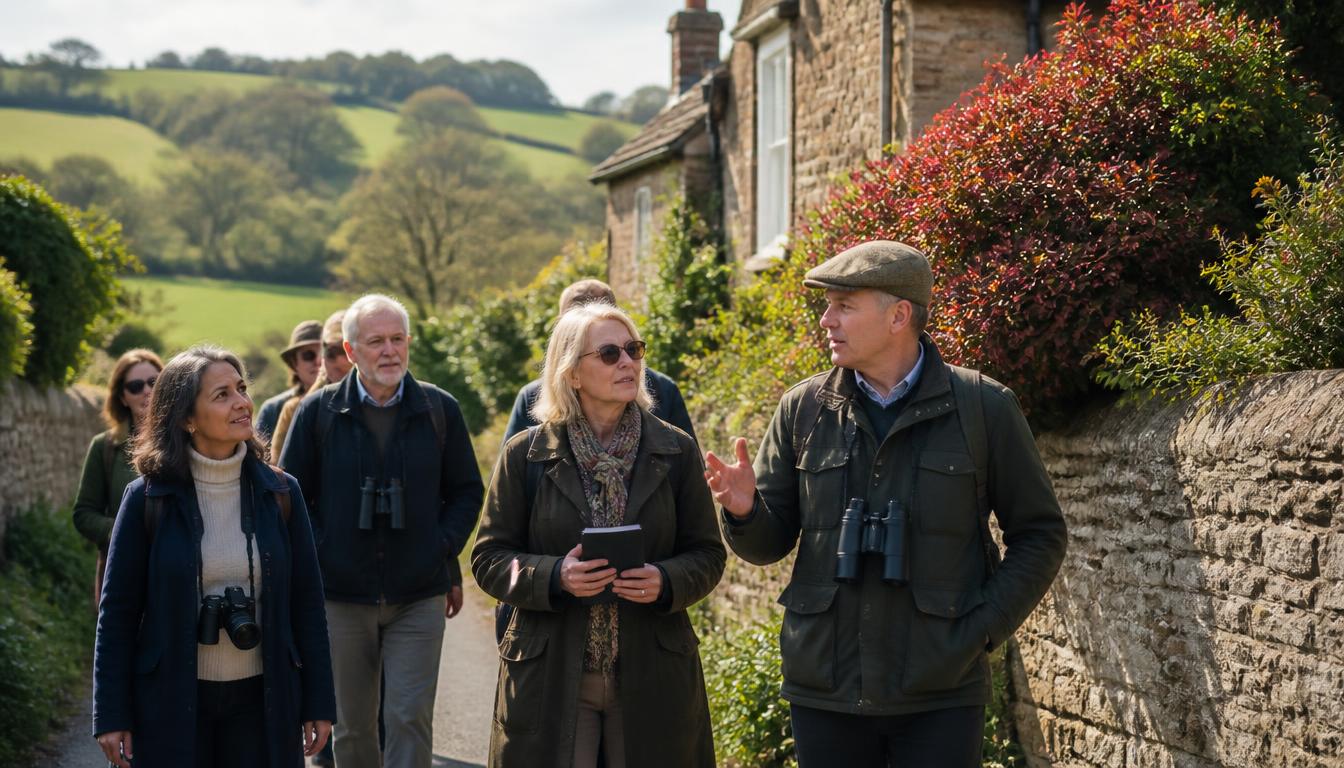
One of the healthiest corners of British travel is the one least visible on the high street. While mainstream holidays moved online and price comparison flattened the mass market, special interest tour operators have been growing quietly by doing the opposite: narrower subjects, smaller groups, genuine expertise and travellers who care more about the quality of the experience than about shaving twenty pounds from the fare.
The category is broader than it sounds. Walking and trekking companies were the early leaders, but the modern map includes birdwatching, botany, battlefield history, archaeology, gardens, railways, photography, painting, food and wine, music, astronomy, faith journeys, genealogy, literary travel and expeditions built around conservation. If enough people care deeply about a subject, somebody in Britain has probably built a tour around it.
The reasons for the growth begin with trust. A traveller can book a flight and hotel alone in ten minutes. What they cannot easily assemble is access to the right guide, the right sites, the right permissions and the right sequence of days. A good specialist operator sells judgement. It knows which battlefield needs a historian rather than a general guide, which garden is worth visiting in a particular week, which railway journey justifies the detour, and which famous place is best seen at seven in the morning.
The customer has changed too. Many experienced travellers no longer want to collect destinations. They want to deepen an interest. They have seen the obvious sights and now want the context that makes a place intelligible. Age plays a part — the market is full of people with time, income and curiosity — but so does confidence. Travellers who once needed the reassurance of a big brand are now comfortable choosing a smaller company if the expertise is evident.
The economics can be attractive. Specialist trips carry higher margins than commodity packages, generate strong repeat business and are less exposed to pure price comparison. A birdwatcher who has a superb week in Norfolk does not ask next year for the cheapest possible alternative; they ask where the company goes next. That loyalty is the foundation on which many excellent small operators are built.
It is not an easy business, despite appearances. Expertise is expensive. Guides must be both authorities and hosts. Small groups mean limited seats and little room for operational error. The customer is often highly knowledgeable and will notice vague answers immediately. Financial protection, insurance, accessibility, risk assessment and supplier reliability matter just as much as passion. The difference between a good tour and a shambolic one is usually invisible planning.
Technology has helped rather than replaced these firms. A specialist operator can reach a national and international audience without a shop, build authority through useful content, and stay close to customers between trips. Email, podcasts, webinars and photography have made it easier to demonstrate expertise before asking for a booking. The internet killed the weak brochure. It has been kind to the strong niche.
Sustainability is pushing in the same direction. Smaller groups, longer stays, shoulder-season departures and local suppliers suit the specialist model. The best operators are not anti-growth; they are anti-waste. They know that twelve informed visitors, properly guided, can be worth more to a place and less damaging to it than fifty herded through the obvious sites in an afternoon.
The strongest operators also understand that authority must be renewed. Guides are developed, itineraries are tested again, and feedback is treated as editorial judgement rather than complaint.
The mass package taught Britain to travel. The special interest operator is teaching it to travel with purpose. In a market crowded with noise, depth has become a commercial advantage. That is a promising sign for the industry, and an even better one for the traveller.