Travel Etiquette: The Unwritten Rules
Not a lecture about reclining seats — a working code for behaving well in other people's countries, aircraft and hotels.
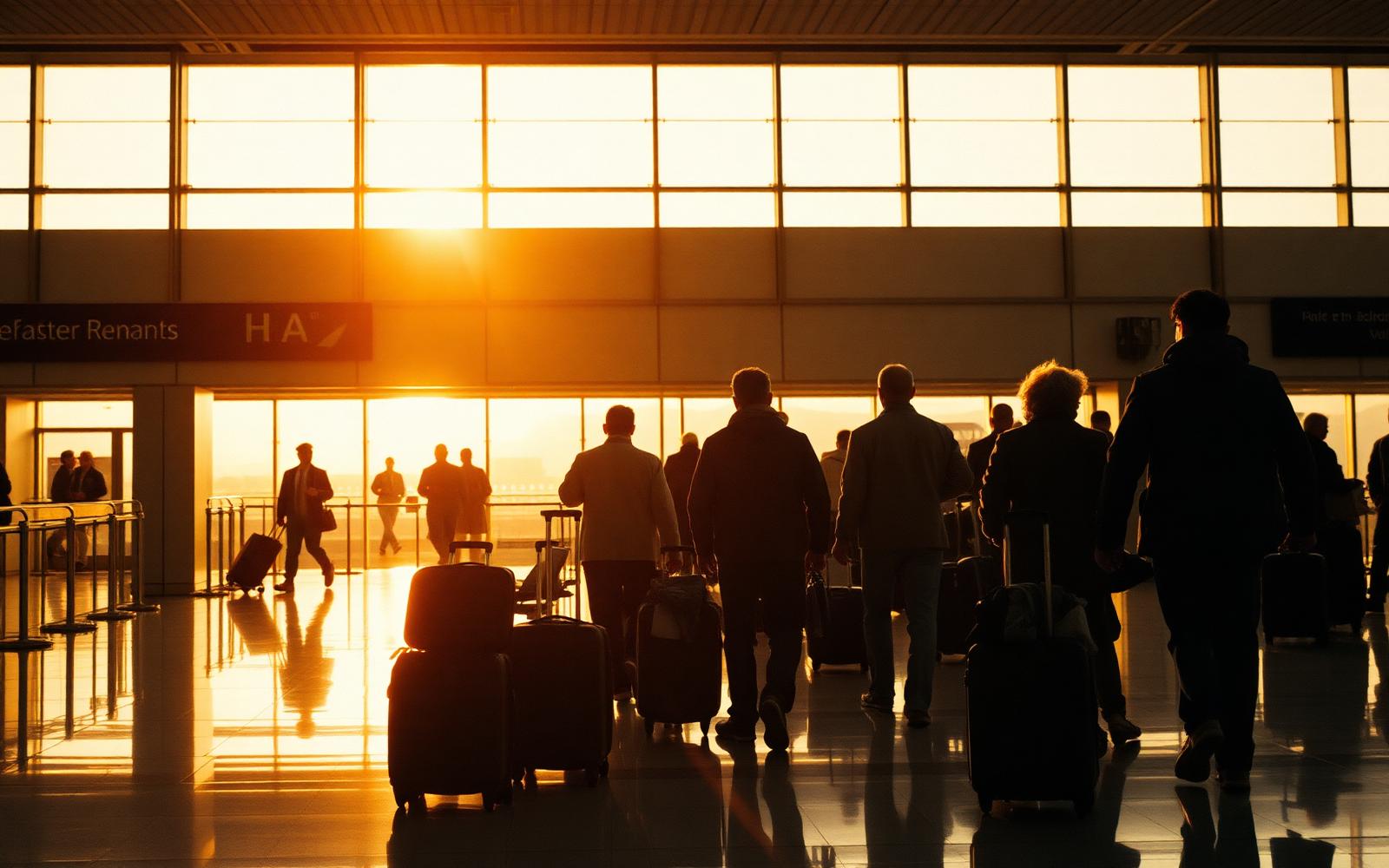
Travel etiquette is usually discussed as though it were a dispute about armrests. It is really about something larger: how to move through places that belong to other people without leaving a mark they have to clean up. I have spent a great deal of my life in airports, hotels and small Mediterranean towns, and I have watched the same handful of behaviours make the difference between a welcome guest and a tolerated one.
Begin with language. You are not expected to be fluent. You are expected to try. Learning six words — hello, please, thank you, excuse me, sorry, goodbye — costs twenty minutes and changes every interaction you will have for a fortnight. Speaking English loudly and slowly at someone who does not understand it is the single most reliable way to identify a bad traveller. And do not assume the whole country speaks your language because the hotel receptionist does; that person has learned yours out of professional necessity.
On aircraft, the rules are mostly about acknowledging that you are in a shared space smaller than a bathroom. Recline slowly and preferably not during a meal service. Take one armrest, not both, and if you are in the middle seat you may have both — that is the compensation. Do not remove your shoes on a short flight, and never your socks. Keep your bag under the seat if the overhead lockers are filling. Watch your screen at a brightness that does not illuminate row 24. And when the aircraft lands, do not stand up like a startled pheasant while the seatbelt sign is still lit; you are not getting off any faster.
In hotels, remember that everything you touch is touched afterwards by someone earning far less than you. Leave the room tidy, hang the towels you intend to reuse, and tip housekeeping directly and in cash where it is customary. Do not shout at the front desk. The person on reception did not overbook the hotel, cancel your flight or invent the resort fee, and they will move mountains for a guest who treats them as a colleague in the problem rather than the cause of it.
In restaurants abroad, learn the local rhythm rather than imposing your own. Southern Europe eats late; walking into a Spanish dining room at half past six and asking why it is empty tells everyone exactly who you are. Understand the tipping convention before you sit down: obligatory in America, modest and discretionary in much of Europe, mildly offensive in parts of Asia. Ask before photographing the food if the place is small and family-run. And if you booked a table for four, do not arrive with six.
Photography is where good intentions most often go wrong. People are not scenery. Ask before you photograph someone, particularly children, particularly at work, and accept a refusal without negotiation. Religious sites frequently prohibit photography for reasons that matter to the people who worship there; a sign in a language you cannot read is still a sign. Memorials and places of atrocity deserve silence rather than a self-portrait.
Dress is a simple courtesy that costs nothing. Cover shoulders and knees at churches, mosques and temples. Remove shoes where shoes are removed. Beachwear belongs on the beach, and a town two streets inland is not the beach — several Mediterranean municipalities now fine people for wandering the old quarter in swimming trunks, and they are right to.
Money etiquette matters more than people realise. Haggle where haggling is expected, but remember what you are haggling over. Grinding a market trader down over the equivalent of forty pence is not skilful travelling; it is meanness with a passport. Pay in local currency, carry small notes, and never wave a large one about.
Finally, the deepest rule, which contains all the others: you are a guest in a place that existed long before you booked it and will continue after you leave. Queue where people queue. Keep your voice at the volume of the room. Move to the side of the pavement to check your map. Learn what the local objection is — in Venice it is sitting on bridges, in Kyoto it is blocking private lanes, in Barcelona it is noise after midnight — and do not be the reason the objection exists.
Good travellers are not the ones who have been to the most countries. They are the ones the countries would be happy to see again.