The Lost Cafés of Europe
On the disappearing rooms where writers, exiles and idlers once passed entire afternoons — and what we lose when they close.
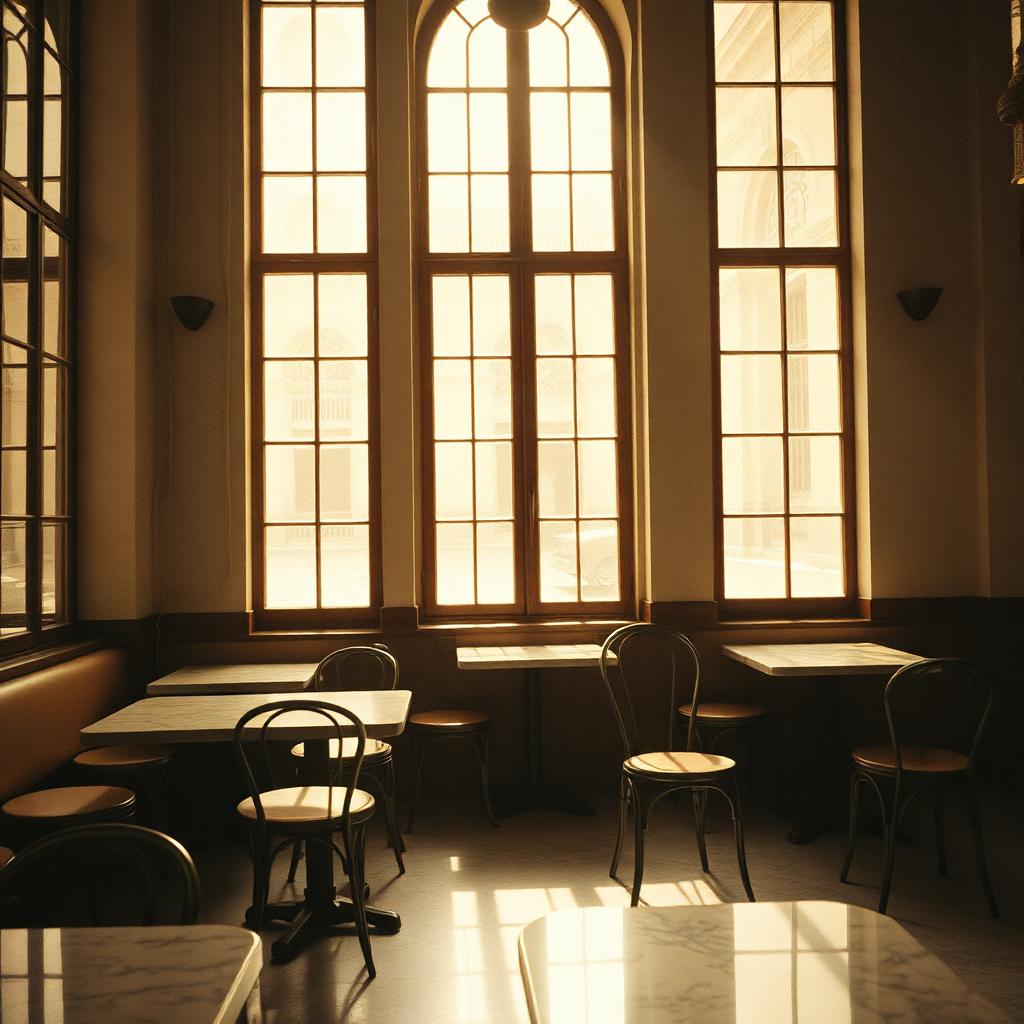
A great café is not a business. It is a public room in private hands. For most of the twentieth century, Europe was full of them. In Vienna, in Trieste, in Lisbon, in Paris, in Palma — rooms where a single coffee bought you three hours of a marble table, a rack of newspapers and the polite indifference of a waiter who had seen everything.
Writers wrote in those rooms. Exiles rebuilt their lives in them. Businesses were founded on their napkins. The café was where a person went when they needed to think and did not want to think alone.
Most of them are gone now. The rents rose. The tourist trade turned them into museums of themselves. The remaining survivors, in the cities I visit most, can be counted on the fingers of one hand.
When a great café closes, a small piece of a country's inner life closes with it. There is no obvious replacement. A chain coffee shop is a transaction. A café was a citizenship.
If you know one that is still open — a real one, with marble, with waiters, with the smell of old wood and tobacco worked into the panelling — go this week. Sit for three hours. Order slowly. It is a form of preservation.