The Growth of Business Retreats and Why It Matters
Distributed teams, dead conference formats and a generation of founders who value time over trinkets have created something genuinely new: the business retreat as a serious commercial category.
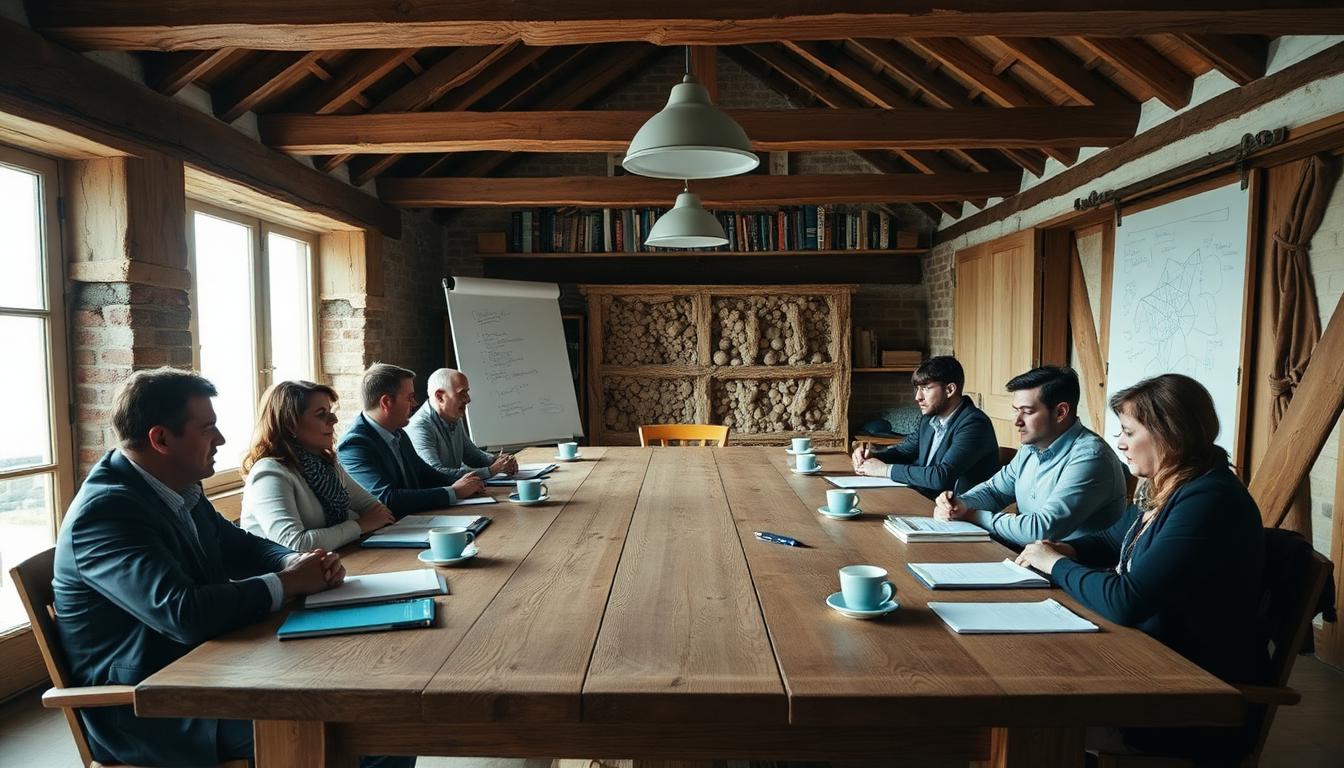
The corporate away-day used to mean a windowless suite off a ring road, a projector that would not connect and a buffet that had given up by half past twelve. It survived for decades because nothing else existed. It is now dying, and something considerably more interesting is taking its place.
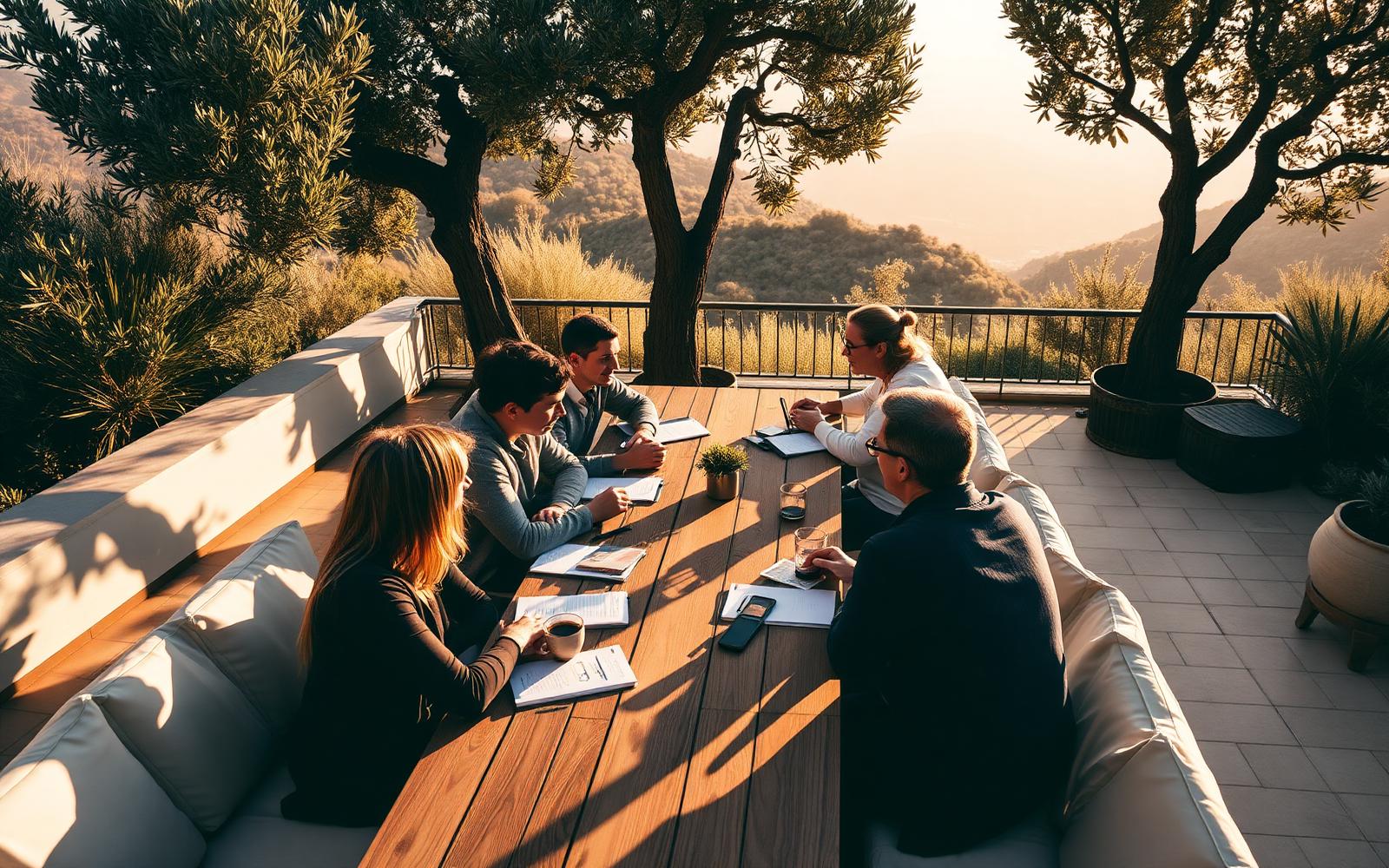
The business retreat — a small group, a good location, a defined purpose and enough time to actually think — has moved in a few short years from an indulgence associated with a handful of technology companies to one of the fastest-growing categories in business travel. The reasons are structural rather than fashionable, which is why I believe the growth will hold.
Start with distributed work. A large proportion of companies now operate with teams that rarely, if ever, share a room. That model saves an extraordinary amount of money in property and commuting, but it quietly erodes the things that were never on a balance sheet: trust, informal knowledge, the half-conversation in a corridor that solves a problem nobody had formally raised. Businesses have realised that these have to be manufactured deliberately, in concentrated bursts. Three days together twice a year now does the work that an office used to do continuously — and costs a fraction of a lease.
Second, the conference has lost its monopoly on information. Nobody travels for content any more; the content is on a screen, free, on demand. What cannot be downloaded is a real conversation with six people who understand your problem. So the value has shifted from the stage to the table, and the format has shifted with it: fewer delegates, longer sessions, more space, less theatre.
Third, expectations around the experience itself have risen sharply. The same people who research their own holidays obsessively will not accept a fluorescent-lit box for their working travel. They want the place to be genuinely good, the food to be worth sitting down for, the walk after lunch to be part of the design rather than an accident. The experience economy arrived in leisure travel fifteen years ago. It has finally arrived in business travel, and it is being driven by companies of ten and twenty people rather than by multinationals.
Fourth, the economics work in a way they never did before. A retreat concentrates spend into something measurable. Instead of an annual budget dispersed across dozens of low-value trips, a business commits to one or two purposeful gatherings with a defined outcome: a strategy set, a product agreed, a leadership team that actually knows one another. Boards can see the return, and finance directors can see the line.
This is precisely why the direction excites me for PURE ONE and PURE ONE Business. The specialist knowledge required here is not hotel booking; it is design. Choosing a location that suits the objective rather than the brochure. Building a programme with the right rhythm — concentrated work in the morning, movement in the afternoon, unstructured evenings where the useful conversations actually occur. Handling flights, transfers, dietary needs, accessibility and the hundred small logistics that determine whether people arrive ready to think or ready to complain. Doing all of it with the duty of care and financial protection that a business traveller is entitled to, which is not a small consideration when you are moving a leadership team across borders.
That combination — travel expertise, event design and a genuine understanding of what small companies are trying to achieve — is unusual, and it is exactly where the market is heading. You can read more about what we are building at PURE ONE Business.
The benefits, for the businesses that get this right, compound quickly. Decisions that have drifted for months are made in a single afternoon, because everyone required is in the room and nobody can hide behind a calendar. Recruitment and retention improve, because a well-designed retreat is one of the few perks people actually talk about afterwards. Culture becomes something experienced rather than described on a website. And crucially, the people who never speak in video calls almost always speak on the second evening.
There are ways to do it badly. Overloading the schedule is the most common: a retreat with no unfilled hours is just a conference with better scenery, and the value lives in the gaps. Choosing a location for its photographs rather than its practicality is another. Failing to write down what was decided is the third, and the most expensive, because a brilliant three days that produces no follow-up is a holiday with slides.
Done properly, though, this is the most efficient investment a small company can make in itself. It is why the category is growing at a pace the traditional conference trade has been slow to notice, and why the next few years in this part of the industry look genuinely exciting.