Has Technology Gone Too Far?
The question is not whether technology is good or bad. It is whether we have allowed useful tools to reorganise our lives around their own appetite for attention.
The honest answer is yes — and no. Technology has not gone too far in the sense that we should uninvent the washing machine, the antibiotic database, the satellite forecast or the video call that lets a grandparent see a new baby. Those are unambiguous goods. Where it has gone too far is subtler: in the quiet transfer of authority from human judgement to systems designed to capture attention, accelerate response and keep us permanently available.
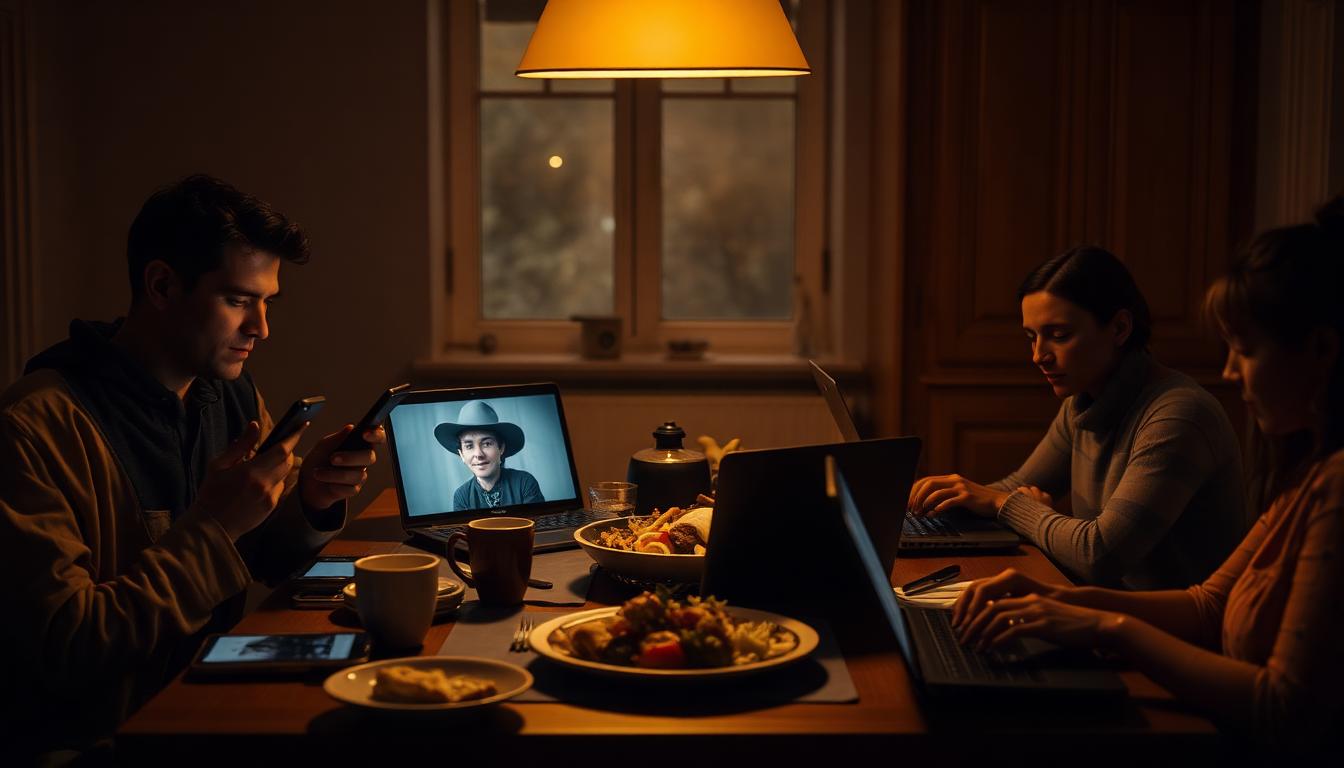
The smartphone is the clearest example. It is probably the most useful object most of us own, and also the most corrosive. It is a camera, map, bank, office, newspaper, cinema, letter box and filing cabinet. It is also a slot machine in the pocket. The same device that can summon help in an emergency can fragment an evening into ninety-second glances at other people's anger, vanity and advertising. We did not choose that bargain consciously. It arrived by updates.
Work has changed in a way few employment contracts acknowledge. The office now follows us home, upstairs and on holiday. Messages arrive at hours that would once have been considered rude from anyone except a hospital. The result is not always more work, but it is rarely more thought. Constant availability looks like commitment and frequently produces shallower decisions. A leader who answers every message in four minutes may be mistaking reflex for diligence.
Children are growing up inside an experiment no previous generation consented to. Their friendships, embarrassments, comparisons and entertainments are mediated by systems optimised for engagement rather than maturity. The evidence on harm is contested in its details but increasingly difficult to dismiss in direction. At the very least, a civilisation that would not let a stranger follow a child around a park all day should ask why it permits a company to do the digital equivalent.
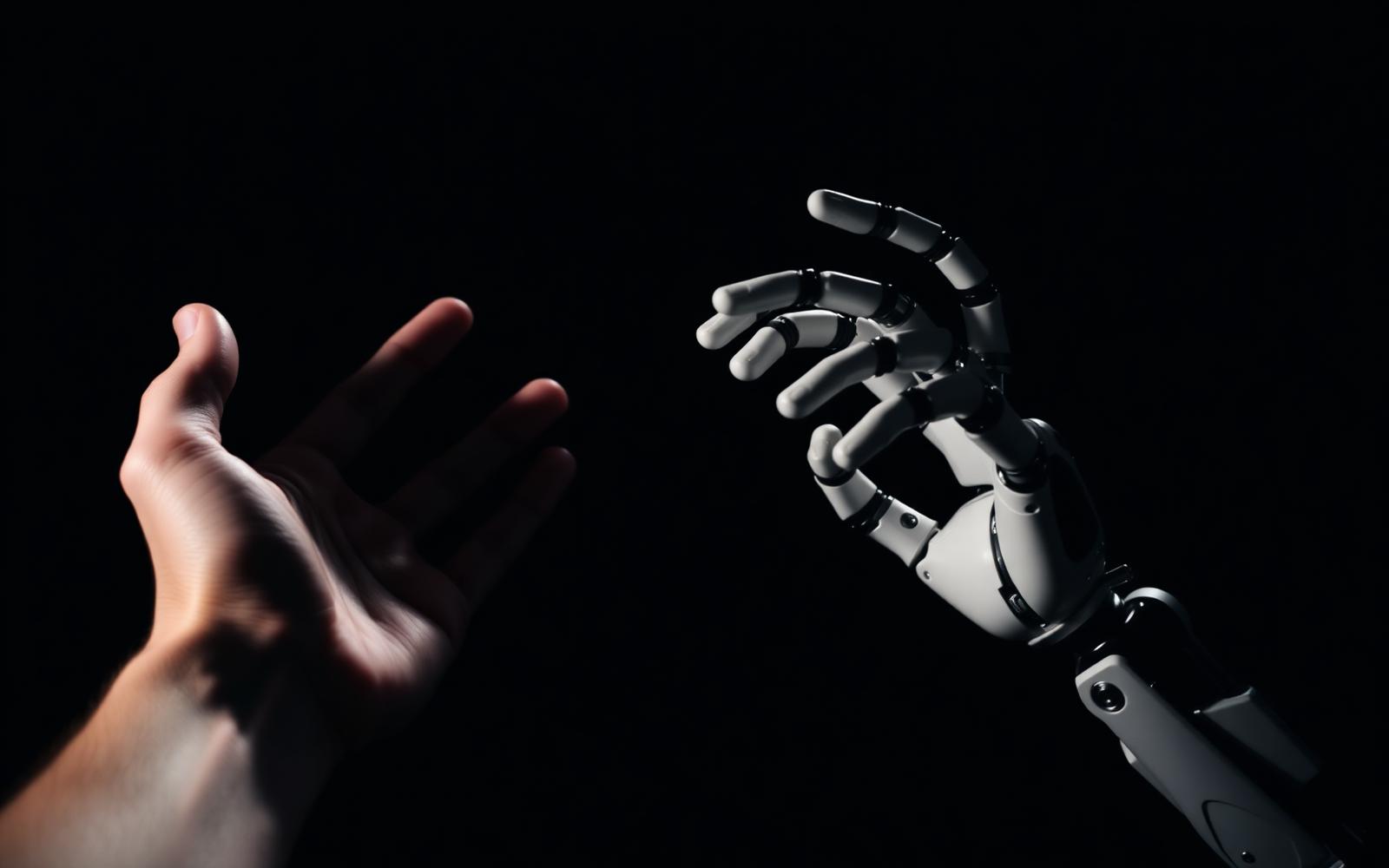
Artificial intelligence raises the stakes again. Used well, it will draft, summarise, translate, detect patterns and remove drudgery on a scale that could free enormous human time. Used carelessly, it will flood the world with plausible mediocrity and make deception cheap. The danger is not that machines become conscious. It is that people become lazy in the presence of a confident machine. Tools that answer everything weaken the muscle that asks good questions.
Yet nostalgia is a poor guide. Every serious technology has produced this argument. The printing press spread heresy and pornography as well as scripture and science. The telephone destroyed privacy, the motor car destroyed tranquillity, the television destroyed conversation — or so each generation was told. Some warnings were hysterical. Some were not nearly alarmed enough. The pattern is consistent: the tool arrives first, the etiquette arrives late, and the law arrives last.
What we lack now is not innovation but boundaries. Technology companies have clear incentives; families, schools and workplaces need equally clear rules. Phones out of bedrooms. Meals without screens. Meetings that begin with thinking rather than notification-clearing. Schools that teach both digital competence and the ability to read something long. Employers who understand that availability is not the same as value. None of this requires rejecting modern life. It requires governing it.
I am not a pessimist. I have built businesses with technology and seen what it can make possible. The same networks that spread nonsense also allow a small firm in Kent to trade internationally, a clinician to consult an expert across an ocean, and a family to remain close across continents. The question is whether we remain the users of these systems or become their raw material.
Technology has gone too far where it diminishes attention, privacy, judgement or childhood. It has not gone nearly far enough where it reduces drudgery, disease and waste. The mature response is not retreat. It is discrimination.